Jun 04 , 2026
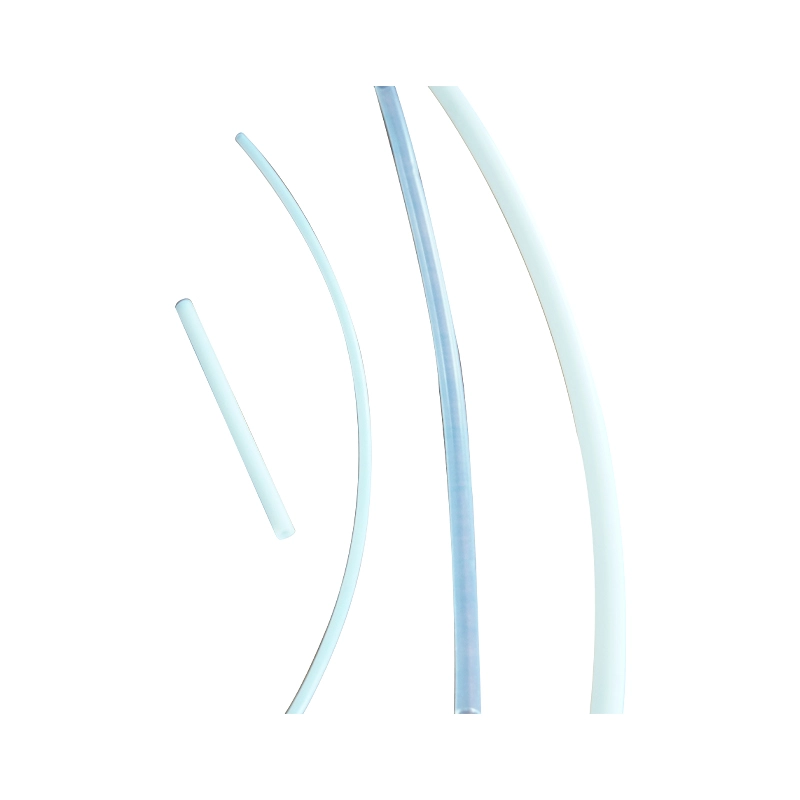
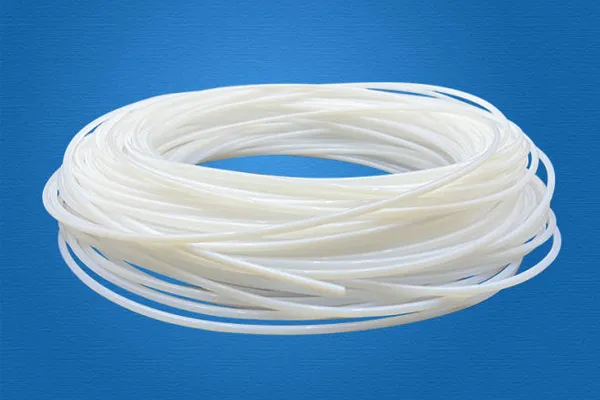
Pneumatic conveying systems remain a dominant method for transporting dry bulk materials across various industries, from food and pharmaceuticals to chemicals and plastics. At the heart of these systems, ensuring the efficient and reliable flow of air and material, lies a critical component often overlooked: flexible tubing. Among the diverse materials available, flexible nylon tubing, specifically tubing made from polyamide (PA), has established itself as a highly valued solution due to its unique combination of properties.
Nylon tubing is manufactured from synthetic polymers known as polyamides. These materials are renowned for their strength, durability, and flexibility. In the context of pneumatic conveying, the tubing is typically extruded into smooth-bore hoses or tubes, available in various diameters, wall thicknesses, and pressure ratings to suit specific application requirements. Key grades used include PA6, PA11, and PA12, each offering slightly different characteristics regarding flexibility, temperature resistance, and chemical compatibility.
Several intrinsic properties of nylon tubing make it particularly well-suited for pneumatic conveying applications:
1. Flexibility: This is arguably its most defining feature. Nylon tubing can be easily routed around obstacles, through tight spaces, and connected to different components within a conveying system. This flexibility simplifies installation, reduces the need for complex fittings and elbows, and minimizes flow resistance compared to rigid piping. It also allows for easier system modifications and maintenance access.
2. Lightweight: Compared to metal piping or even some reinforced rubber hoses, nylon tubing is significantly lighter. This reduces the structural load on support systems and makes handling during installation and replacement much easier.
3. Abrasion Resistance: Pneumatic conveying involves the movement of abrasive particles suspended in air. Nylon tubing exhibits good resistance to abrasion, particularly grades like PA12, which helps maintain the integrity of the tube's inner surface over time. This resistance contributes to longer service life and consistent flow characteristics.
4. Chemical Resistance: Nylon tubing demonstrates resistance to a wide range of chemicals commonly encountered in industrial settings, including oils, greases, fuels, and many solvents. This resistance helps prevent degradation and ensures compatibility with the materials being conveyed and the operational environment. However, compatibility should always be verified for specific chemicals, especially strong acids and alkalis.
5. Smooth Bore: The inner surface of extruded nylon tubing is inherently smooth. This low-friction surface minimizes resistance to airflow and material flow, promoting efficient conveying and reducing the risk of material build-up or blockages.
6. Temperature Tolerance: Standard nylon tubing (e.g., PA6, PA12) typically performs well within a temperature range of approximately -40°C to +80°C (-40°F to +176°F), with some specialized grades offering higher heat resistance. This range covers the operational temperatures of many pneumatic conveying systems.
7. Pressure Capability: While not suitable for extremely high-pressure systems like hydraulic lines, nylon tubing is well-suited for the moderate pressure ranges encountered in most dilute and dense phase pneumatic conveying systems. Manufacturers provide specific pressure ratings based on tube diameter and wall thickness.
Flexible nylon tubing finds application in various parts of a pneumatic conveying system:
Connections: Connecting feeders (like rotary valves or screw feeders) to the main pipeline.
Drop Lines: Routing material from the main pipeline to individual process points or silos.
Flexible Sections: Accommodating vibration, thermal expansion/contraction, or slight misalignments between rigid pipe sections.
Instrumentation Lines: Carrying purge air or signals to pressure sensors, level indicators, or other control devices.
Short Runs: For conveying materials over shorter distances where the flexibility and ease of installation are advantageous.
While nylon tubing offers numerous benefits, its successful application requires careful consideration:
Pressure Rating: Always select tubing with a pressure rating exceeding the maximum operating pressure in the system, including pressure surges. Factor in a suitable safety margin.
Temperature: Ensure the tubing material is rated for the minimum and maximum temperatures encountered during operation and any potential cleaning cycles (e.g., steam cleaning).
Abrasion: For highly abrasive materials or high velocities, consider the specific abrasion resistance of the nylon grade or explore options like thicker walls or protective linings. Monitor wear over time.
Chemical Compatibility: Verify the tubing's compatibility with the conveyed material and any cleaning agents used. Consult manufacturer chemical resistance charts.
UV Resistance: Standard nylon tubing can degrade when exposed to prolonged direct sunlight. If outdoor use is necessary, specify UV-stabilized grades.
Bending Radius: Avoid sharp bends that exceed the manufacturer's recommended minimum bend radius, as this can kink the tube, restrict flow, and create weak points.
Installation: Ensure fittings are properly sized and installed securely to prevent leaks. Support the tubing adequately to prevent sagging, which can cause material accumulation.


 English
  日本語
日本語  한국어
한국어  français
  Español
  русский
  português
  العربية
  Polska
  Svenska