May 25 , 2026
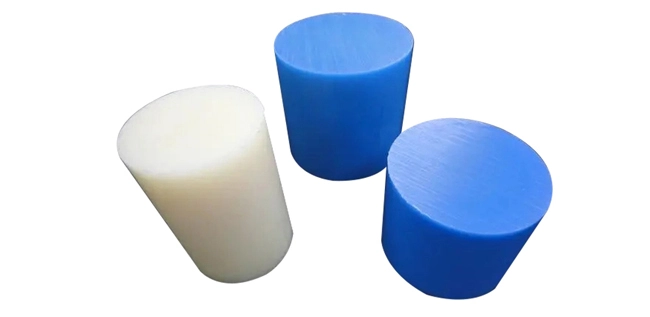
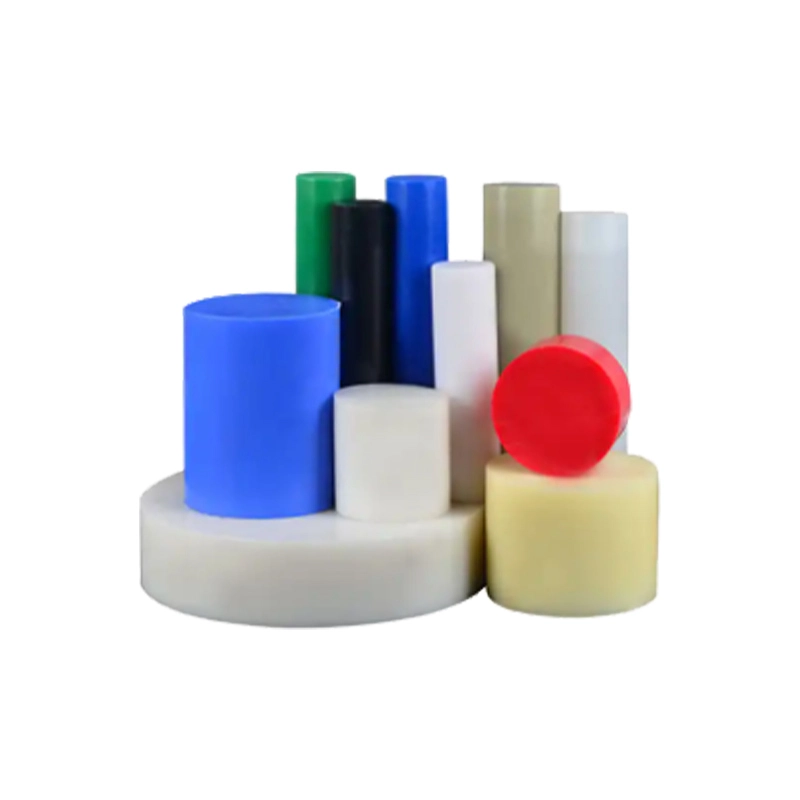
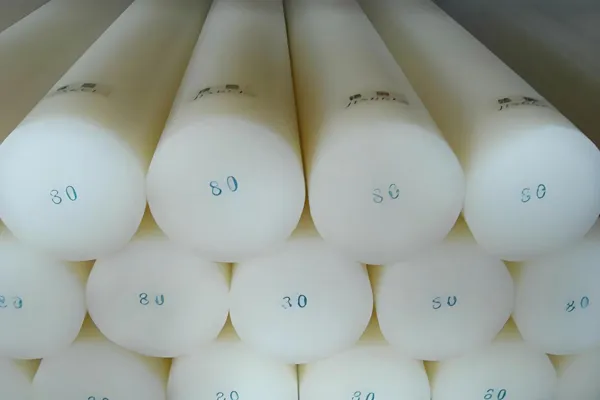
Nylon, specifically nylon 6 or nylon 66, is a widely recognized engineering thermoplastic valued for its strength, toughness, abrasion resistance, and ease of machining. However, in demanding applications like bushings and bearings where minimizing friction and wear is paramount, standard nylon grades can exhibit limitations. This is where oil-filled nylon rod stock presents a compelling engineered solution, specifically designed to deliver superior performance in low-friction environments without the need for external lubrication systems.
Oil-filled nylon is produced by incorporating a lubricating oil directly into the nylon resin matrix during the compounding and extrusion process. This oil is uniformly distributed throughout the material's structure. Unlike surface coatings or greases, this internal reservoir of lubricant remains an integral part of the material itself.
The primary benefit of oil-filled nylon rod stock lies in its ability to significantly reduce the coefficient of friction compared to standard nylon. This is achieved through a specific mechanism:
1. Internal Lubricant Reservoir: The oil is embedded within the nylon structure.
2. Controlled Release: During operation, as friction generates heat at the interface between the bushing and the shaft, the embedded oil molecules become more mobile.
3. Surface Migration: This increased mobility allows the oil to migrate slowly and steadily to the wear surface of the bushing.
4. Lubricating Film: The released oil forms a thin, continuous lubricating film between the shaft and the bushing bore.
5. Reduced Friction: This film effectively separates the mating surfaces, minimizing direct contact and drastically reducing sliding friction and associated wear.
Utilizing oil-filled nylon rod stock for machining bushings offers several distinct advantages:
1. Low Coefficient of Friction: As described, the self-lubricating properties significantly lower friction, often resulting in coefficients of friction substantially lower than standard nylon and comparable to some lubricated metals.
2. Reduced Wear: Lower friction directly translates to reduced wear on both the bushing itself and the mating shaft. This extends the service life of both components.
3. Maintenance Reduction / Elimination: For many applications, the self-lubricating nature eliminates the need for periodic re-lubrication. This is particularly valuable in hard-to-reach locations, clean environments (like food processing or medical equipment), or applications where grease could attract contaminants.
4. Dry Running Capability: Oil-filled nylon bushings can often operate effectively without any initial external lubrication, making them suitable for start-up conditions or where lubrication might be neglected.
5. Resistance to Wear Under Contamination: The lubricating film helps protect against accelerated wear caused by dust, dirt, or other particulates that might enter the assembly, compared to un-lubricated materials.
6. Good Load-Bearing Capacity: Nylon inherently offers good compressive strength, allowing oil-filled nylon bushings to handle moderate to high loads depending on the specific grade and design.
7. Resistance to Seizure/Galling: The lubricating film reduces the risk of seizure or galling between the shaft and bushing, especially under marginal lubrication conditions or start/stop operations.
8. Corrosion Resistance: Unlike metals, nylon does not corrode, making it ideal for humid, wet, or chemically aggressive environments.
9. Lightweight: Nylon is significantly lighter than most metals, contributing to weight savings in moving assemblies.
10. Noise Reduction: Lower friction and the damping properties of nylon can contribute to quieter operation.
11. Machinability: Like standard nylon, oil-filled rod stock is readily machinable into precise bushing shapes using standard metalworking tools.
Oil-filled nylon bushings are widely used across numerous industries where low friction, reduced maintenance, and reliability are key:
Material Handling: Conveyor rollers, idler pulleys, guide wheels.
Agriculture: Farm equipment linkages, pivot points.
Food Processing: Conveyors, mixers, packaging equipment (benefits from dry lubrication).
Automotive: Window regulators, seat adjusters, pedal assemblies, accessory drives.
Industrial Machinery: Gears, sprockets, cam followers, linkages.
Consumer Products: Office furniture, exercise equipment, appliances.
Marine: Deck hardware, steering linkages (corrosion resistance).



 English
  日本語
日本語  한국어
한국어  français
  Español
  русский
  português
  العربية
  Polska
  Svenska