May 19 , 2026
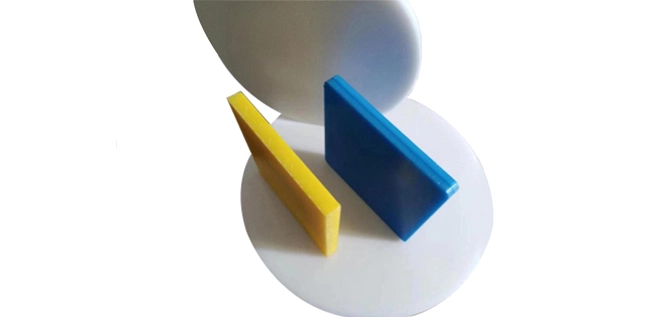
In demanding industrial environments where friction, abrasion, and impact are constant challenges, selecting the right material for wear pads is crucial. Ultra-High Molecular Weight Polyethylene (UHMWPE) sheet has emerged as a premier engineering plastic, offering an exceptional combination of properties that make it ideally suited for this critical application. Its availability in custom-cut forms further enhances its utility, allowing for precise solutions tailored to specific machinery and operational needs.
UHMWPE belongs to the thermoplastic polyethylene family but distinguishes itself through its extremely long polymer chains. With a molecular weight typically ranging between 3.5 and 7.5 million g/mol, these chains create a dense, highly entangled structure. This unique molecular architecture translates into a suite of remarkable properties:
Outstanding Abrasion Resistance: UHMWPE exhibits superior resistance to wear from sliding contact with abrasive materials and surfaces, often outperforming carbon steel and other metals. This is arguably its most valued characteristic for wear pad applications.
Exceptionally Low Coefficient of Friction: Its inherently slippery surface minimizes friction against mating surfaces, reducing wear on both the pad and the opposing component, and lowering energy consumption.
High Impact Strength: Even at sub-zero temperatures, UHMWPE maintains excellent toughness and resistance to impact loading, preventing cracking or shattering under shock conditions.
Excellent Chemical Resistance: It is highly resistant to a broad range of chemicals, including many corrosive acids, alkalis, and solvents, ensuring longevity in harsh processing environments.
Good Machinability: While tough, UHMWPE can be readily cut, drilled, and machined using standard woodworking tools, facilitating fabrication and custom shaping.
Non-Toxic and FDA Compliant (Grades Available): Certain grades are approved for use in food processing and pharmaceutical applications where material safety is paramount.
Lightweight: Its density is significantly lower than metals, making handling and installation easier and reducing the overall weight of equipment.
Wear pads, also known as wear strips, wear plates, or slide pads, act as sacrificial components designed to protect more expensive or critical parts of machinery from friction and wear. They are commonly used in applications such as:
Material handling equipment (conveyor systems, chutes, hoppers)
Packaging machinery
Agricultural equipment
Construction machinery (excavators, loaders)
Mining equipment
Steel mills and foundries
Marine applications (dock bumpers, guides)
UHMWPE sheets, when fabricated into wear pads, provide significant advantages:
1. Extended Equipment Lifespan: By absorbing wear, UHMWPE pads protect metal structures, shafts, bearings, and guides, significantly prolonging their service life and reducing costly downtime for repairs and replacements.
2. Reduced Maintenance Costs: The exceptional wear resistance of UHMWPE means pads themselves need replacing far less frequently than those made from softer plastics or even some metals. Its self-lubricating properties also reduce or eliminate the need for external lubricants in many applications.
3. Improved Efficiency: Low friction translates to smoother operation, less binding or sticking, and reduced power requirements for moving parts.
4. Corrosion Resistance: Unlike metal pads, UHMWPE is immune to rust and corrosion, making it ideal for wet, humid, or chemically exposed environments.
5. Impact Protection: Its ability to absorb shock loads protects machinery from damage during sudden impacts or jolts.
6. Noise Reduction: UHMWPE can dampen vibrations and reduce operational noise compared to metal-on-metal contact.
While standard sheet sizes are available, the true power of UHMWPE for wear pads lies in its adaptability through custom cutting. Off-the-shelf sizes rarely fit the unique contours and specifications of complex machinery perfectly. Custom cutting offers:
Precise Fit and Function: Sheets can be cut to exact dimensions, shapes, and curves required by the specific application. This ensures optimal contact, load distribution, and wear protection.
Minimized Waste: Cutting sheets to the precise size needed for the pad eliminates unnecessary material waste, making the solution more cost-effective.
Optimized Performance: Complex shapes, holes for fasteners, or specific edge profiles can be incorporated during the cutting process, enhancing the pad's performance and ease of installation.
Faster Installation: Precisely cut pads arrive ready to install, reducing fabrication time on the shop floor and speeding up maintenance or assembly processes.
Consistency and Repeatability: For applications requiring multiple identical pads, custom cutting ensures consistent dimensions and quality across all parts.


 English
  日本語
日本語  한국어
한국어  français
  Español
  русский
  português
  العربية
  Polska
  Svenska