Oct 09 , 2025
Polypropylene (PP) rods and bars represent a cornerstone material within demanding industrial environments, particularly where exposure to aggressive chemicals is routine. Their widespread adoption in chemical processing equipment, laboratory settings, electroplating lines, and fluid handling systems hinges significantly on their robust chemical resistance.
Polypropylene is a semi-crystalline thermoplastic polymer. Its inherent chemical inertness stems primarily from its non-polar hydrocarbon structure and high degree of crystallinity. The densely packed crystalline regions act as a barrier, hindering the penetration and diffusion of many chemical agents. This structure grants PP excellent resistance to a wide spectrum of substances, outperforming many other common plastics.
1. Acids & Bases (Excellent Resistance): PP exhibits outstanding resistance to a vast array of both inorganic and organic acids, as well as bases (alkalis), across a wide concentration range and at moderate temperatures (typically 0°C to 100°C). This includes:
* Strong Inorganic Acids: Hydrochloric acid (HCl), Sulfuric acid (H₂SO₄ - various concentrations), Phosphoric acid (H₃PO₄), Hydrofluoric acid (HF - with caution, limited conc./temp).
* Weak Organic Acids: Acetic acid, Citric acid, Formic acid.
* Strong Bases: Sodium hydroxide (NaOH), Potassium hydroxide (KOH), Ammonium hydroxide (NH₄OH).
* Salts: Brines, salt solutions generally pose no issue.
2. Organic Solvents (Variable Resistance - Use Caution): Resistance here is more nuanced and depends heavily on the solvent type, concentration, temperature, and stress level:
* Excellent Resistance: Aliphatic hydrocarbons (oils, greases, alkanes like hexane), alcohols (methanol, ethanol, isopropanol), aldehydes (formaldehyde), ketones (acetone - *generally good at room temperature, but stress cracking can occur under load*), esters, ethers (diethyl ether).
* Poor Resistance: Aromatic hydrocarbons (benzene, toluene, xylene), chlorinated hydrocarbons (carbon tetrachloride, trichloroethylene, chlorobenzene), strong oxidizing agents (see below). These can cause significant swelling, softening, or dissolution, especially at elevated temperatures or under stress.
3. Oxidizing Agents (Limited Resistance): PP's hydrocarbon backbone makes it susceptible to strong oxidizing agents, particularly at higher concentrations and temperatures:
* Poor Resistance: Concentrated nitric acid (HNO₃), concentrated sulfuric acid (above ~70% at elevated temps), halogens (chlorine, bromine, fluorine), hydrogen peroxide (H₂O₂ - especially concentrated), chromic acid. These can cause chain scission, embrittlement, and rapid degradation.
4. Water & Aqueous Solutions (Excellent Resistance): PP is highly hydrophobic and unaffected by water, steam (up to ~100-120°C), and most aqueous solutions, making it ideal for water tanks, piping, and humid environments.
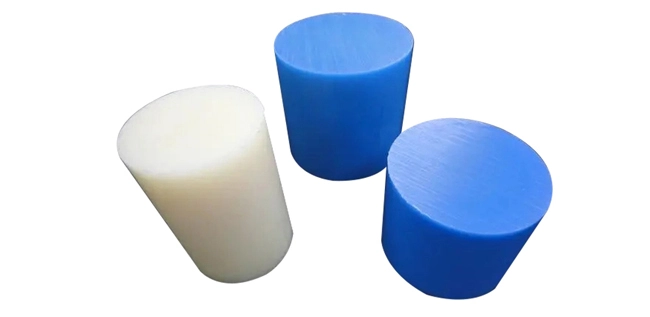
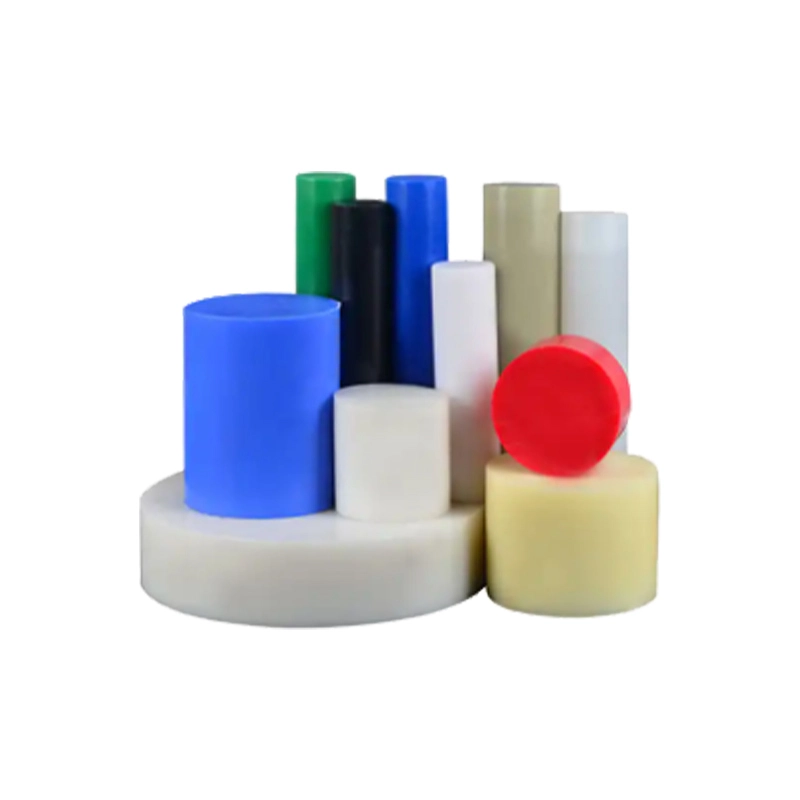
PP rods/ bars are frequently chosen for:
* Chemical tank linings, supports, and ladder rungs.
* Pump components (impellers, wear rings) handling corrosive fluids.
* Electroplating and anodizing jigs, racks, and tank components.
* Laboratory bench tops, sink units, fume hood liners.
* Pipe supports, valve seats, filter housings.
* Scrubber components in chemical exhaust systems.
The exceptional chemical resistance of polypropylene rods and bars, particularly to acids, bases, salts, and many solvents at moderate temperatures, underpins their vital role in corrosive industrial settings.




 English
  日本語
日本語  한국어
한국어  français
  Español
  русский
  português
  العربية
  Polska
  Svenska