Jan 29 , 2026
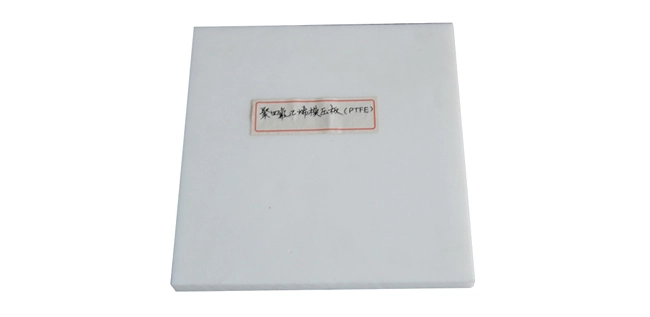
Hydrogen fuel cells stand at the forefront of clean energy technology, offering the promise of zero-emission power generation for vehicles, stationary applications, and more. At the heart of their operation lies a complex interplay of components, each critical to efficiently converting hydrogen and oxygen into electricity and water. One such vital, yet often overlooked, component is the humble PTFE (Polytetrafluoroethylene) sheet.
PTFE possesses a unique set of properties that make it exceptionally well-suited for demanding applications within hydrogen fuel cells. Its primary role is found in the Gas Diffusion Layers (GDLs), situated on either side of the Membrane Electrode Assembly (MEA).
Here’s how PTFE sheets contribute to fuel cell performance:
1. Hydrophobicity and Water Management: This is arguably PTFE's most crucial function. During operation, water is produced as a by-product. PTFE's inherent hydrophobic nature repels liquid water. By incorporating PTFE into the GDL (often by coating carbon fiber paper or non-woven fabrics with PTFE suspensions or using microporous layers containing PTFE), it helps prevent the porous structure of the GDL from flooding. This ensures that reactant gases (hydrogen and oxygen) can still diffuse freely through the GDL to reach the catalyst layers on the electrodes, maintaining efficient electrochemical reactions. Effective water removal is vital for stable voltage output and preventing performance decay.
2. Enhanced Porosity and Gas Diffusion: While the base material (like carbon paper) provides structure, PTFE treatment helps maintain the necessary porosity within the GDL. It prevents the collapse of pores under the compressive forces applied when stacking the fuel cell layers. This preserved porosity ensures unhindered pathways for gases to flow from the flow field channels to the catalyst sites.
3. Structural Integrity: PTFE acts as a binder within the GDL structure, particularly in carbon paper-based GDLs. It helps hold the carbon fibers together, providing mechanical strength and stability to the layer, which is essential for handling and maintaining consistent performance under operational stresses.
4. Chemical and Thermal Stability: PTFE is renowned for its exceptional resistance to chemical attack and thermal degradation. Within the harsh environment of a fuel cell – involving acids, water, hydrogen, oxygen, and elevated temperatures – PTFE remains stable and inert. This ensures long-term durability and reliability of the GDL component.
5. Electrical Conductivity: While PTFE itself is an excellent electrical insulator, when used as a coating or binder within a conductive carbon-based GDL, it typically forms a thin layer that does not significantly impede the essential through-plane electrical conductivity needed to collect the generated current from the electrodes.



 English
  日本語
日本語  한국어
한국어  français
  Español
  русский
  português
  العربية
  Polska
  Svenska