Feb 02 , 2026
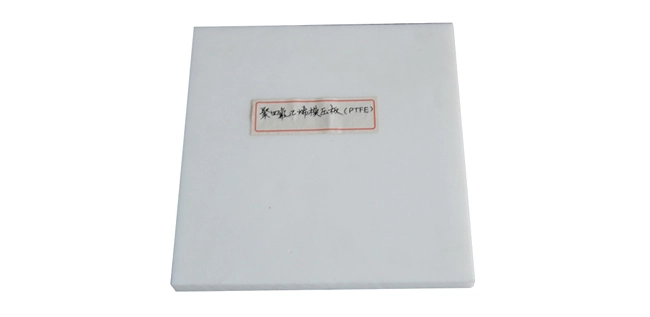
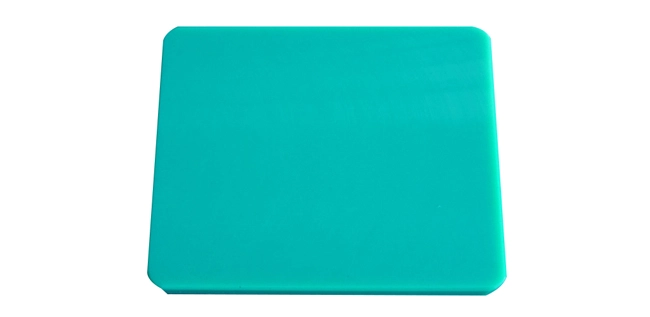
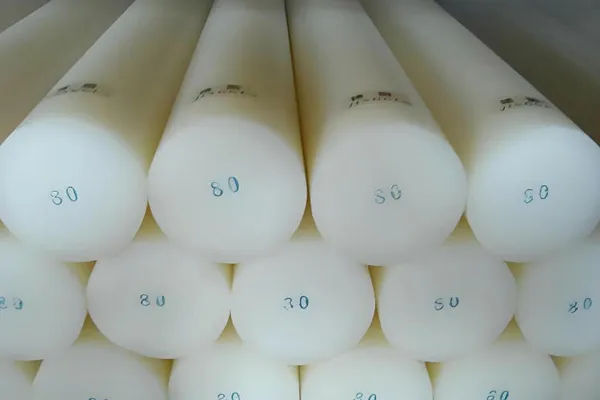
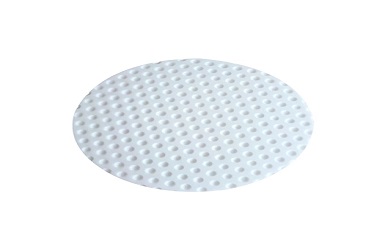
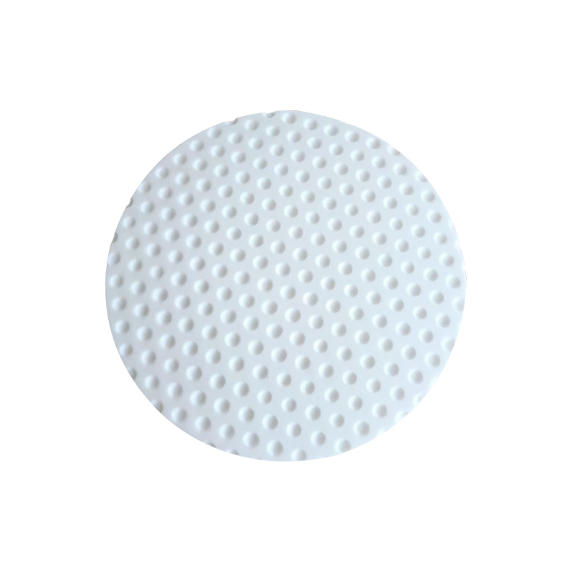
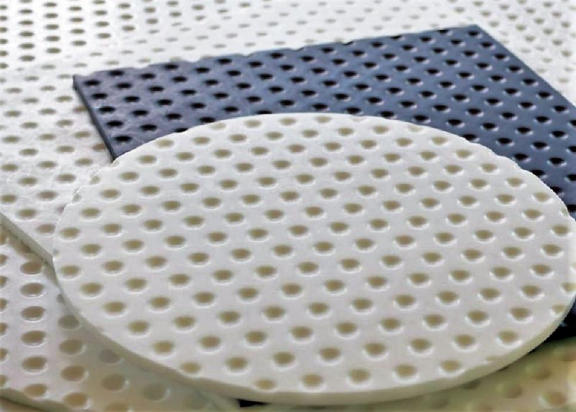
Polytetrafluoroethylene (PTFE) is renowned for its exceptional chemical resistance and low coefficient of friction. These properties make PTFE slide plates a popular choice in demanding applications requiring smooth, low-friction movement. PTFE slide plates demonstrate remarkable resilience in environments ranging from cryogenic conditions as low as -200°C up to sustained service temperatures of 260°C, making them uniquely suited for extreme thermal scenarios.
The key to PTFE's wide temperature capability lies in its unique molecular structure. Its highly stable carbon-fluorine bonds and the inherent inertness of the polymer backbone contribute to its thermal stability. Unlike many plastics, PTFE does not melt in the conventional sense until it reaches approximately 327°C. Below this melting point, it transitions from a rigid state to a more pliable one, but crucially, it maintains its solid structure and core properties within its operational range.
When subjected to extremely low temperatures, many materials become brittle and prone to cracking or catastrophic failure. PTFE, however, exhibits excellent cryogenic properties. Its low-temperature flexibility remains relatively high. While PTFE undergoes a significant change in its crystalline structure around -100°C (known as its glass transition temperature, Tg), its toughness and low friction characteristics are largely preserved even below this point. The coefficient of friction remains low, often below 0.05, ensuring smooth sliding action. This makes PTFE slide plates invaluable in applications like liquefied natural gas (LNG) handling, cryogenic storage systems, aerospace components exposed to high-altitude cold, and superconducting magnet installations where temperatures plunge to liquid nitrogen levels (-196°C) or lower. The material retains its dimensional stability and load-bearing capacity without becoming excessively brittle.
At the upper end of its service spectrum, PTFE slide plates face different challenges. While its melting point is high, continuous exposure to temperatures approaching 260°C pushes the material close to its practical limits. At these elevated temperatures:
1.Mechanical Strength: PTFE's mechanical strength decreases. Tensile strength and modulus decline as temperature increases. This necessitates careful design consideration regarding applied loads and pressures on the slide plate at high temperatures.
2. Creep Resistance: PTFE exhibits a tendency to creep or deform under sustained load, especially at higher temperatures. While its low friction is maintained, the material may undergo cold flow over time under constant pressure. Design strategies like limiting stress, using filled PTFE compounds (which offer improved creep resistance), or incorporating support structures are often employed.
3. Thermal Stability: Pure PTFE begins to slowly degrade above approximately 260°C, potentially releasing small amounts of toxic fumes (like perfluoroisobutylene - PFIB). Therefore, 260°C is generally considered the maximum *continuous* service temperature for unfilled PTFE. For intermittent exposure or shorter durations, it can withstand higher peaks, but prolonged operation above this limit is not recommended for safety and performance reasons. Its chemical resistance and low friction, however, remain effective within this temperature band.
Despite the challenges at both ends of the spectrum, PTFE slide plates offer a combination unmatched by many alternatives:
* Consistent Low Friction: The coefficient of friction remains impressively low across the entire range, facilitating smooth movement regardless of thermal conditions.
* Chemical Inertness: Its resistance to almost all chemicals is unaffected by temperature extremes within its operating range.
* Electrical Properties: Excellent electrical insulation properties are maintained.
* Non-stick: The inherent non-stick characteristic persists.
The ability to function reliably from deep freeze to high heat makes PTFE slide plates critical components in diverse sectors:
* Aerospace: Engine components, cryogenic fuel systems, thermal protection systems.
* Energy: LNG plants, geothermal applications, high-temperature piping systems and expansion joints.
* Chemical Processing: Reactors, heat exchangers, and handling equipment exposed to aggressive chemicals at varying temperatures.
* Manufacturing: Molds, presses (like hot press platens), and automated systems operating in controlled high-temperature environments.
* Cryogenics: Support structures and sliding surfaces within liquid helium or nitrogen containment systems.



 English
  日本語
日本語  한국어
한국어  français
  Español
  русский
  português
  العربية
  Polska
  Svenska