Dec 19 , 2025
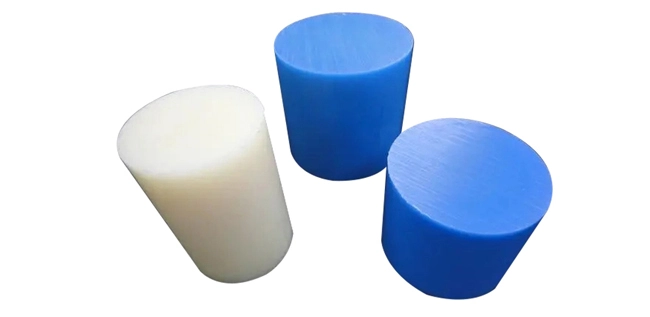
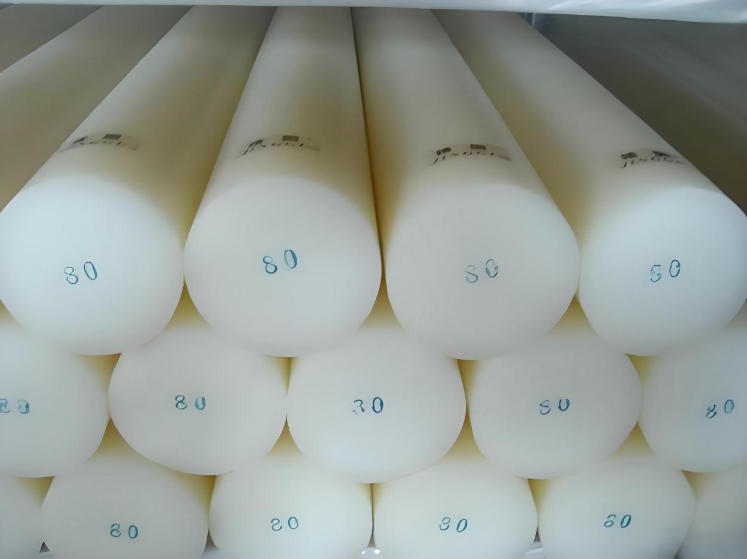
Nylon round tubes, extruded from high-performance engineering thermoplastics like Nylon 6 (PA6) or Nylon 12 (PA12), are widely recognized for their exceptional combination of mechanical strength and long-lasting durability. These properties make them a preferred choice over traditional materials like metal in numerous demanding applications.
* High Tensile Strength: Nylon tubes possess significant tensile strength, allowing them to withstand considerable pulling forces without fracturing. This makes them suitable for applications like push-pull cables, control linkages, and structural components.
* Impact Resistance: Their inherent toughness provides excellent resistance to impact and shock loading. Unlike brittle materials, nylon tubes can absorb energy, reducing the risk of sudden failure if dropped or struck. This is crucial in dynamic environments like robotics or material handling.
* Flexural Strength: Nylon exhibits good resistance to bending forces, maintaining its shape and integrity under load. This characteristic is vital for applications involving curves, bends, or where the tube may experience lateral forces.
* Strength-to-Weight Ratio: Nylon is significantly lighter than metals like steel or aluminum. This high strength-to-weight ratio offers substantial weight savings, which is critical in aerospace, automotive, and portable equipment.
* Abrasion Resistance: Nylon's surface is highly resistant to wear and abrasion from contact with other surfaces, wires, or particulates. This extends the tube's lifespan significantly in applications involving friction or movement, such as protective sleeving for wires or hydraulic lines.
* Chemical Resistance: Nylon tubes demonstrate good resistance to a wide range of chemicals, including fuels, oils, greases, and many solvents. This makes them suitable for use in harsh industrial environments, automotive fuel lines, and hydraulic systems where exposure to fluids is common.
* Fatigue Resistance: They can endure repeated cycles of stress and flexing without developing cracks or failing prematurely. This is essential for applications involving constant motion or vibration.
* Environmental Stability: Nylon maintains its properties well across a broad temperature range. It also exhibits good resistance to UV degradation (especially UV-stabilized grades) and weathering, ensuring performance longevity both indoors and outdoors.
1. Material Grade: PA6 offers higher strength and stiffness, while PA12 provides superior flexibility, lower moisture absorption, and better low-temperature impact resistance.
2. Moisture Absorption: Nylon absorbs moisture, which can slightly reduce strength and dimensional stability. Consider the operating environment and whether moisture uptake is a critical factor.
3. Temperature Range: Ensure the selected nylon grade operates effectively within the application's temperature extremes.
4. Wall Thickness: Thicker walls generally increase strength and crush resistance but reduce flexibility and increase weight/cost.
5. Application Requirements: Precisely define the loads (tensile, compressive, bending, impact), chemical exposure, temperature, and environmental conditions.
* Fluid Transfer: Hydraulic, pneumatic, fuel, and lubricant lines (especially where flexibility and kink resistance are needed).
* Mechanical Linkages: Push-pull controls, throttle cables, and Bowden cables.
* Protective Sleeving: For electrical wiring, fiber optics, and hydraulic hoses against abrasion and environmental damage.
* Medical Devices: Components requiring biocompatibility (specific grades), flexibility, and sterilizability.
* Industrial Equipment: Guides, rollers, bearings, structural supports, and wear strips.
* Automotive: Fuel lines, brake lines (secondary), vacuum lines, cable conduits.



 English
  日本語
日本語  한국어
한국어  français
  Español
  русский
  português
  العربية
  Polska
  Svenska