Dec 23 , 2025
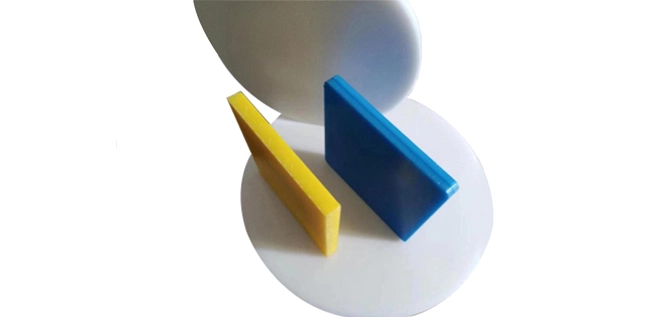
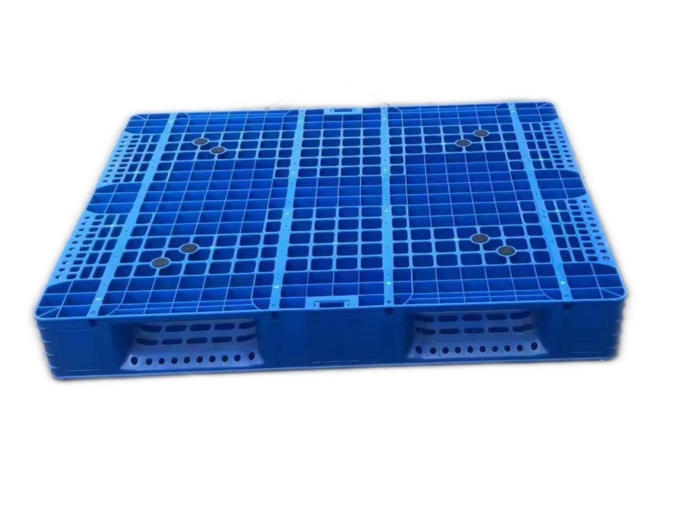
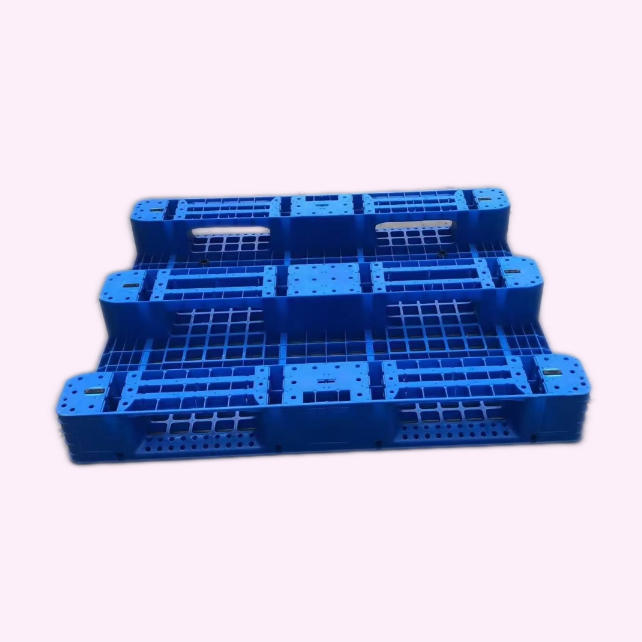
Industrial pallets are vital in material handling, impacting efficiency and cost. Nylon plates outperform traditional wood or metal in specific applications, with custom thickness unlocking their full potential.
Off-the-shelf nylon plates come in fixed dimensions. However, pallet applications vary significantly. A pallet designed for lightweight electronics has vastly different load-bearing requirements than one transporting dense automotive parts or heavy machinery. Using plates that are too thick adds unnecessary weight and material cost. Conversely, plates that are too thin risk deformation, excessive flexing, or even failure under heavy or dynamic loads (like impacts from forklifts).
Specifying custom thicknesses for nylon wear plates allows manufacturers and end-users to precisely tailor pallets to their exact needs:
1. Optimized Load Capacity: The core benefit. By selecting the exact thickness required for the anticipated load (static and dynamic), pallets achieve maximum strength without unnecessary bulk. This ensures safety and longevity under specific operational stresses.
2. Weight Reduction: Using the minimum viable thickness directly translates to lighter pallets. This is crucial for industries where weight impacts shipping costs (like air freight) or ergonomics for manual handling.
3. Cost Efficiency: Custom thickness avoids the expense of using thicker, more costly material than necessary. It optimizes material usage without compromising structural integrity.
4. Enhanced Performance: Tailored thickness contributes to overall pallet rigidity and stability, reducing flex under load. This can minimize product shifting during transport and improve handling predictability.
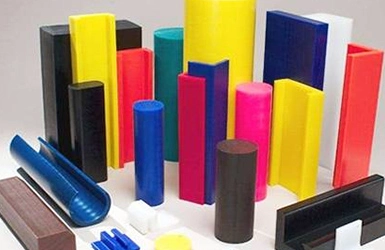
5. Material Property Leverage: Nylon (especially grades like MC Nylon) offers excellent properties like high abrasion resistance, impact strength, low friction, and resistance to oils, greases, and many chemicals. Custom thickness ensures these properties are effectively utilized where needed.
* Heavy-Duty Pallets: For transporting castings, machinery, or bulk materials, thicker plates (e.g., 25mm, 30mm, or more) provide the necessary rigidity and load distribution.
* Specialized Containment Pallets: Pallets designed to hold liquids or granular materials in bins may require specific thicknesses in the base or walls to handle concentrated loads.
* Automated Handling Systems: Pallets used in high-throughput automated warehouses (AGVs, conveyors) benefit from optimized weight and consistent dimensions achieved through precise thickness control.
* Long-Length Pallets: Custom thickness helps maintain flatness and prevent sagging over extended spans.
It’s essential to partner with nylon product manufacturers experienced in nylon plate machining. They can advise on:
* Material Grade: Selecting the right nylon type (e.g., Nylon 6, Nylon 66, MC Nylon) based on load, environmental, and friction requirements.
* Thickness Calculation: Using engineering principles to determine the optimal thickness for the expected loads and pallet design.
* Precision Machining: Ensuring plates are cut to exact thickness and dimensions for consistent performance and fit.



 English
  日本語
日本語  한국어
한국어  français
  Español
  русский
  português
  العربية
  Polska
  Svenska