Oct 15 , 2025
When pipelines transport high-temperature fluids such as steam, hot water, or industrial molten salt, metal pipelines undergo length changes due to thermal expansion and contraction. For example, a 100 meter steel pipe heated to 100 ° C can elongate by about 12 centimeters - if there is a lack of release space, this expansion force is sufficient to twist the support or tear the weld seam. Traditional rigid supports cannot solve this problem, and PTFE (polytetrafluoroethylene) sliding plate have become a key solution.
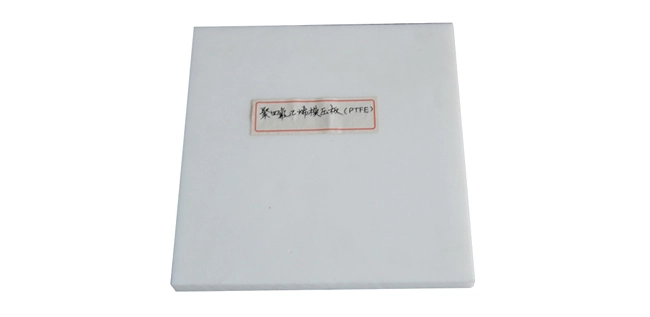
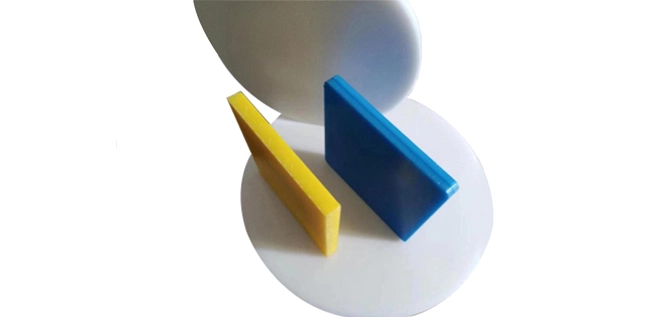
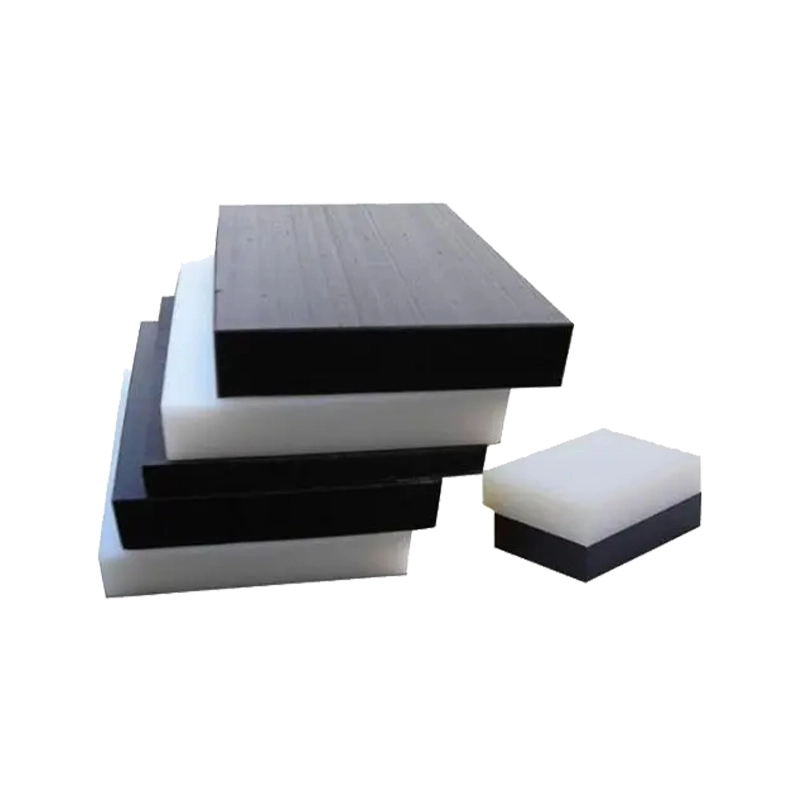
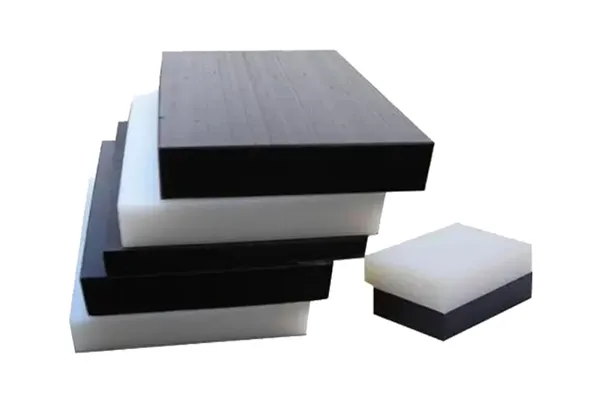
PTFE sliding plate consists of two layers of structure:
PTFE friction layer: The surface is smooth like a "non stick pan coating", with an extremely low friction coefficient (only 0.04-0.1), allowing the pipeline to slide freely.
Metal substrate: provides supporting strength, usually made of stainless steel or galvanized steel, corrosion-resistant and has strong load-bearing capacity.
When the pipeline expands due to heat, the PTFE layer acts like a "lubricating ice surface", allowing the pipeline to smoothly slide on the substrate, dispersing stress and avoiding local concentrated load damage to the structure.
Resistant to extreme environments: stable performance at temperatures ranging from -200 ° C to+260 ° C, suitable for various scenarios such as refrigeration plants to refineries.
Self lubrication: No additional lubricating oil is required, reducing maintenance costs.
Chemical inertness: resistant to acid and alkali, solvent corrosion, with a lifespan of over 20 years.
Chemical plant steam pipeline: After installing PTFE sliding plate, the annual maintenance frequency is reduced by 70%.
Regional heating pipeline network: Sliding supports are matched with PTFE sliding plate to adapt to displacement caused by seasonal temperature differences.
Clean the contact surface to avoid increased friction caused by gravel.
Regularly check the wear of the skateboard, abnormal noise may be due to signal replacement.




 English
  日本語
日本語  한국어
한국어  français
  Español
  русский
  português
  العربية
  Polska
  Svenska