Sep 26 , 2025
In massive machinery and structures, smooth movement is essential. The PTFE Slide Plate, a critical yet often overlooked component, enables precise, low-resistance gliding of heavy equipment and structural elements.
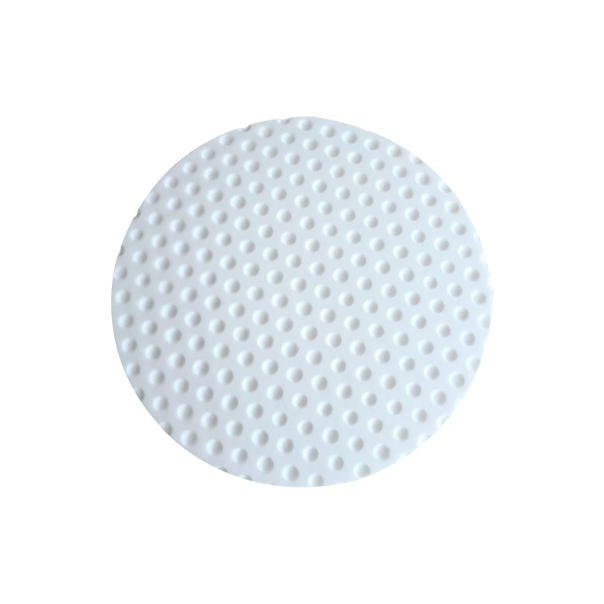
What is a PTFE Slide Plate?
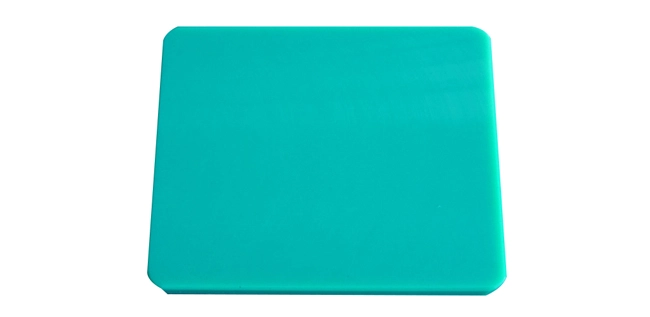
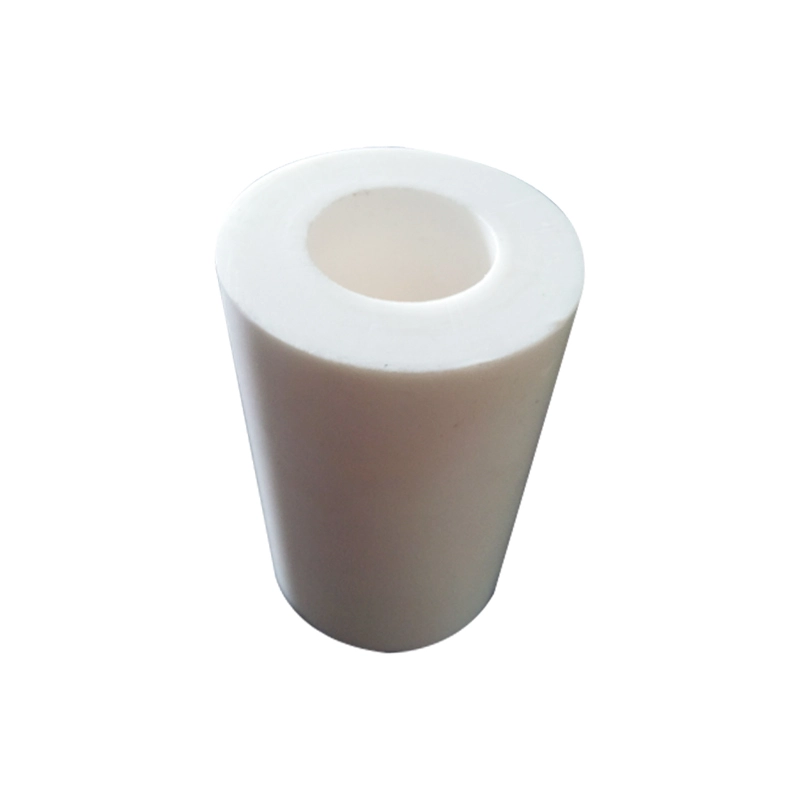
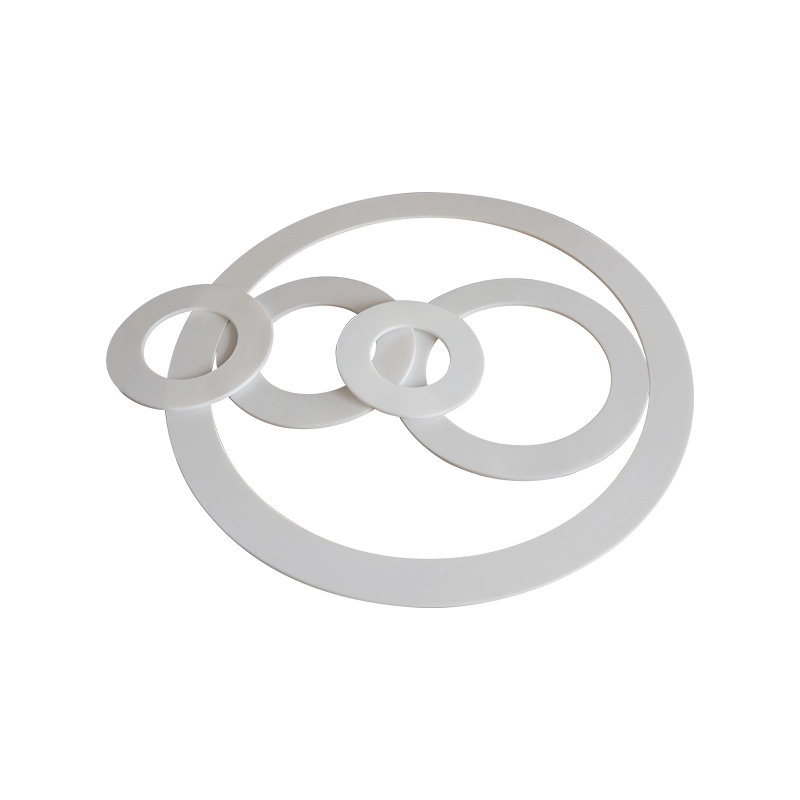
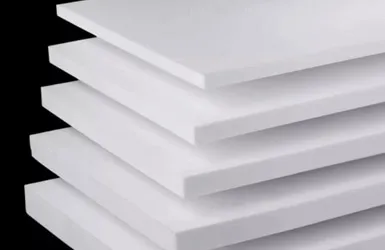
A PTFE slide plate is a specialized component used in structural and mechanical applications. It consists of a flat plate made of polytetrafluoroethylene (PTFE), which has low friction properties. It facilitates smooth sliding and movement between two surfaces, reducing friction and wear.
Low Coefficient: PTFE offers one of the lowest friction coefficients of any solid material against polished steel or concrete. This drastically reduces the force required to initiate and maintain movement.
Chemical Resistance: It is virtually inert, resisting attack from most chemicals, solvents, and oils encountered in industrial environments.
Temperature Tolerance: PTFE maintains its properties across a wide temperature range, remaining functional in both extreme cold and heat (typically -200°C to +260°C).
Non-Stick Properties: Its non-stick nature prevents adhesion and ensures smooth, consistent sliding action.
Wear Resistance: While softer than metal, PTFE exhibits good wear characteristics, especially when paired correctly with a mating surface.
The ability of PTFE slide plates to reduce friction and wear makes them indispensable in numerous heavy-duty scenarios:
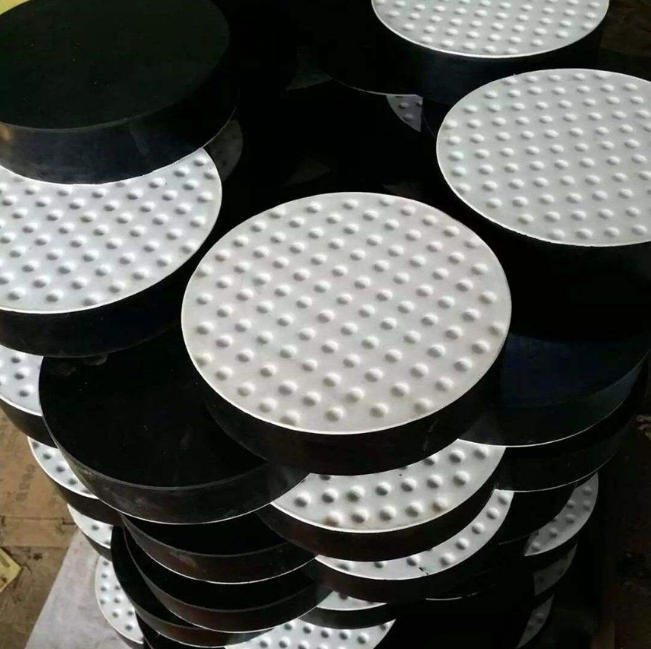
Bridge Bearings: Perhaps their most vital role. They allow bridge decks to expand, contract, and rotate due to temperature changes, traffic loads, and seismic activity, preventing damaging stress buildup in the structure. They are crucial components in pot bearings, spherical bearings, and elastomeric bearings.
Heavy Machinery Skidding: Moving massive generators, turbines, transformers, or entire process modules often requires skidding them across foundations or onto transporters. PTFE plates placed under skid shoes drastically reduce the pulling/pushing force needed.
Structural Movement Joints: In large buildings, stadiums, or industrial facilities, PTFE plates accommodate thermal expansion and contraction at movement joints, ensuring structural integrity.
Industrial Equipment Alignment: Facilitating precise positioning of heavy equipment during installation or maintenance.
Lifting Operations: Used as low-friction pads under jacks or lifting points to allow controlled horizontal adjustment as loads are raised.
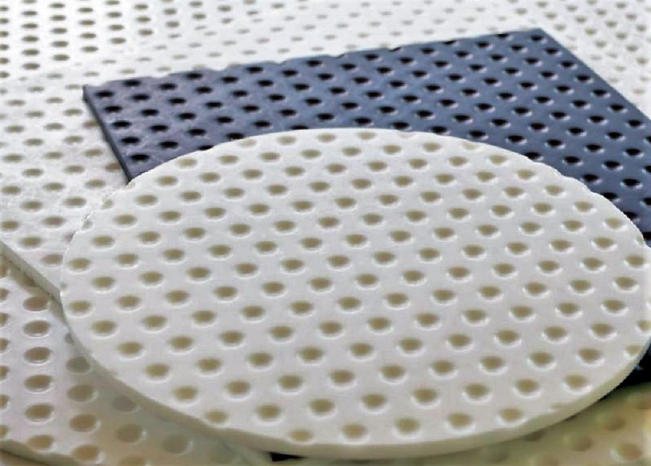
The benefits they deliver are substantial:
* Reduced Force Requirements: Significantly lower the energy (hydraulic, mechanical, or manual) needed to move massive loads.
* Controlled Movement: Enable precise, predictable sliding without jerking or binding.
* Protection of Structures: Prevent damage caused by excessive friction, binding, or uncontrolled movement.
* Minimized Wear: Protect both the moving element and the supporting surface from abrasive wear.
* Long Service Life: PTFE's inherent durability ensures reliable performance over extended periods with minimal maintenance.
* Cost Savings: Reduce installation time, labor costs, equipment wear, and potential damage to valuable assets.
PTFE Slide Plates provide a low-friction surface, enabling heavy equipment and structures to move smoothly and safely. As the essential "hidden track" for industry and infrastructure, their efficiency demonstrates how advanced materials solve critical engineering challenges.



 English
  日本語
日本語  한국어
한국어  français
  Español
  русский
  português
  العربية
  Polska
  Svenska




.jpg "PTFE Thin Film: A Versatile Tool in the Field of Biopharmaceuticals")
