Sep 10 , 2025
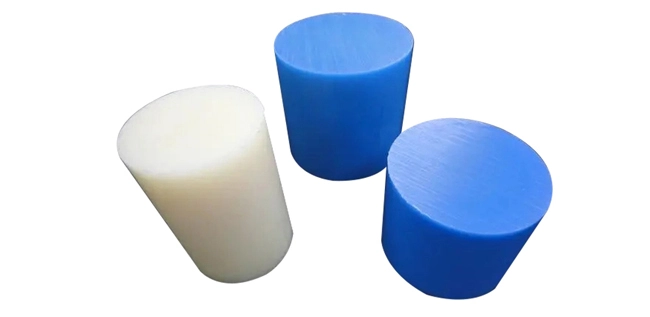
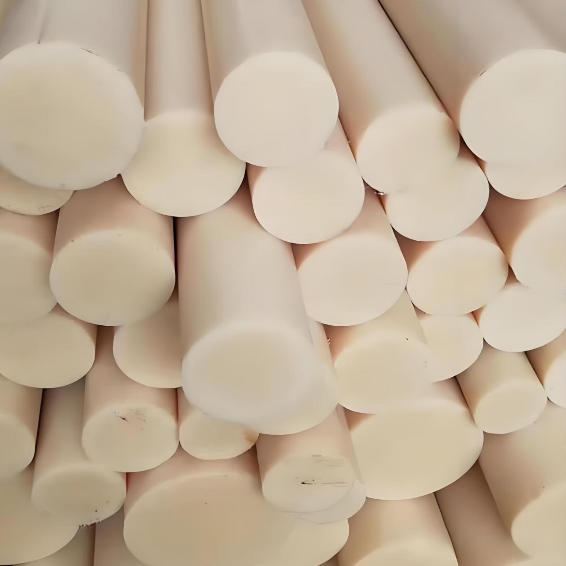
Nylon rod stands as a cornerstone of modern engineering plastics, prized for its exceptional ability to replace metal components like copper and various alloys in demanding wear applications. Its unique combination of properties – excellent toughness, outstanding wear resistance, good oil resistance, vibration damping capabilities, high tensile and bending strength, low moisture absorption, and superior dimensional stability – makes it indispensable for manufacturing high-strength, durable parts subject to friction and stress.
1.Material Grade (Model): This is the most critical specification, defining the base polymer and any modifications. Common grades include:
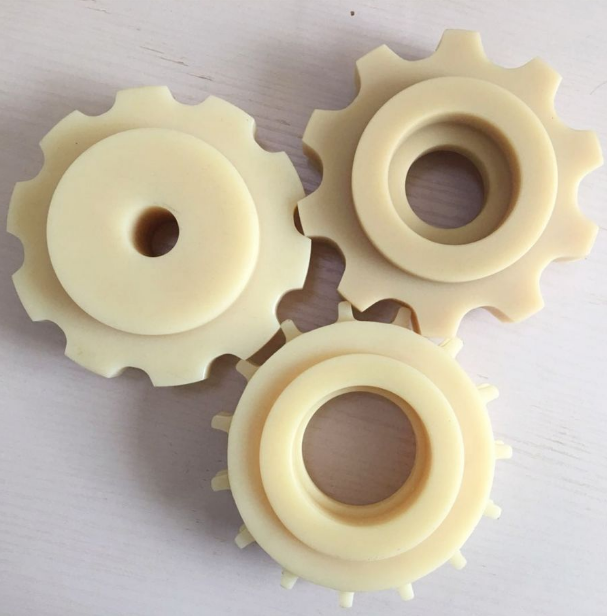
* PA 6 (Polyamide 6): The most widely used general-purpose nylon. Offers a good balance of strength, toughness, wear resistance, and cost-effectiveness. Ideal for gears, bushings, sprockets, and general wear strips.
* PA 66 (Polyamide 66): Provides higher strength, rigidity, and heat resistance compared to PA 6, but can be slightly less impact-resistant at low temperatures and absorbs moisture slightly faster. Excellent for high-load bearings, structural components, and parts requiring higher continuous use temperatures.
* PA 12 (Polyamide 12): Features significantly lower moisture absorption than PA 6 or 66, leading to exceptional dimensional stability in humid environments. Also offers high impact strength, good chemical resistance, and low friction. Used in precision parts, fluid handling components, and medical applications.
* MoS2-Filled (Molybdenum Disulfide): Nylon (typically PA 6 or PA 66) impregnated with MoS2 solid lubricant. This significantly reduces friction and enhances wear resistance, especially in dry or marginally lubricated conditions. Perfect for bearings, wear pads, and guides.
* Glass-Filled: Reinforced with glass fibers (e.g., 30% glass). Dramatically increases tensile strength, stiffness, dimensional stability, and heat deflection temperature while reducing creep. Used for high-stress structural parts, housings, and components requiring minimal flex.
* Oil-Filled: Contains internal lubricants for reduced friction and enhanced wear resistance without external lubrication. Good for bearings and gears in applications where external lubricants are undesirable.
* FDA-Compliant Grades: Specifically formulated and certified for use in food contact or medical device applications.
2.Dimensions:
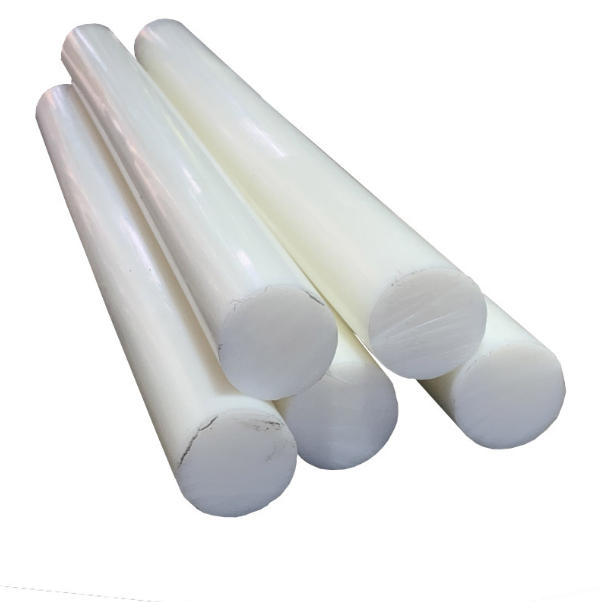
* Diameter: Available in a vast range, commonly from small diameters (e.g., 3mm, 1/8") up to very large diameters (200mm, 8" or more). Standard metric and imperial sizes are prevalent.
* Length: Supplied in standard stock lengths (e.g., 1m, 2m, 3m, 4ft, 6ft, 8ft, 12ft) or can be custom-cut by nylon rod suppliers. Longer lengths are often available for machining larger parts.
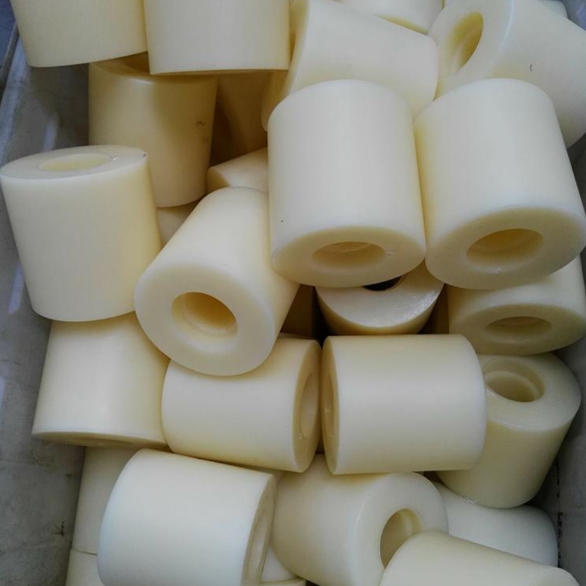
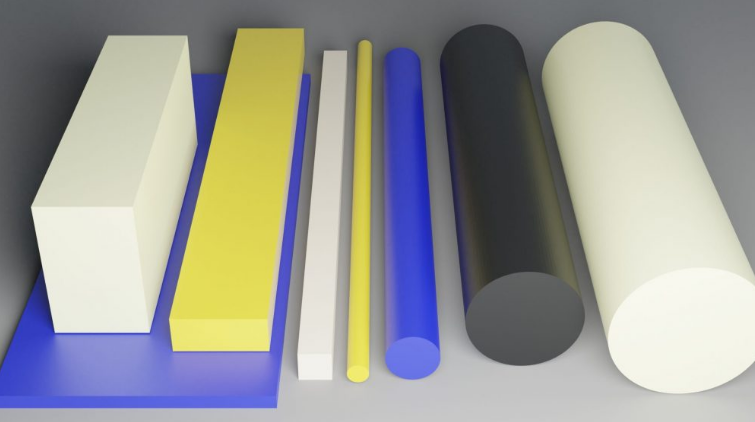
3.Shape: While solid round rod is the most common form, nylon is also available as:
* Hexagonal Rod
* Square Rod
* Rectangular Bar
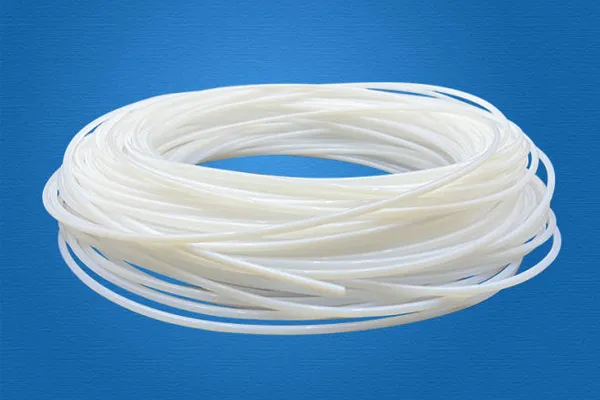
* Tube (Hollow Rod)
4.Color: Natural/off-white (most common), black (often carbon-black filled for UV stability), white, and various other colors. Color can sometimes indicate a specific grade (e.g., black often signifies MoS2-filled).
5.Tolerance: Diameter tolerances are typically specified, often adhering to standards like ISO 286 or supplier-specific tolerances (e.g., h9, h10). Precision ground rods are available for applications requiring extremely tight tolerances.
Choosing the optimal nylon rod grade depends entirely on the application's specific demands:
* General Wear & Impact: PA 6 is often the best starting point.
* Higher Strength/Heat: Opt for PA 66.
* Critical Dimensional Stability/Moisture: PA 12 excels here.
* Dry Running/Low Friction: MoS2-Filled PA 6 or PA 66 is essential.
* High Stiffness/Structural Loads: Glass-Filled grades (PA 6-GF30, PA 66-GF30) are necessary.
* Food/Medical: Specify FDA-compliant grades.



 English
  日本語
日本語  한국어
한국어  français
  Español
  русский
  português
  العربية
  Polska
  Svenska