Apr 28 , 2026
Industrial facilities often overlook maintenance cost savings. PTFE slide plates can cut maintenance expenditures by up to 30% by reducing unplanned downtime and repairs.
At the heart of many industrial operations involving movement – whether in heavy machinery, conveyor systems, material handling equipment, or bridge bearings – lies the challenge of friction. Traditional metal-on-metal sliding interfaces, while robust, inherently generate significant friction. This friction manifests as:
1. Accelerated Wear: Constant grinding leads to rapid degradation of both sliding surfaces, necessitating frequent part replacements.
2. Increased Energy Consumption: Overcoming high friction requires more power, driving up electricity or fuel costs.
3. Vibration and Noise: Friction often induces vibration, causing stress on surrounding components and creating noise pollution.
4. Seizing and Binding: Without adequate lubrication or under high loads, metal components can seize, leading to catastrophic failure and unplanned downtime.
5. Corrosion Susceptibility: Bare metal surfaces are vulnerable to rust and chemical attack, further shortening lifespan.
The cumulative effect is a substantial maintenance burden: frequent lubrication schedules, parts procurement, labor hours dedicated to replacements and repairs, and production losses during downtime. Quantifying this burden reveals a significant cost center ripe for optimization.
PTFE possesses an extraordinary combination of properties that make it uniquely suited for sliding applications:
1. Exceptionally Low Coefficient of Friction (CoF): PTFE boasts one of the lowest known CoF values against polished steel (typically 0.04 - 0.1, static and dynamic), significantly lower than metal-on-metal (often >0.3). This inherent slipperiness drastically reduces the force required for movement.
2. Self-Lubricating: PTFE acts as a solid lubricant, transferring a thin film to the counter-face. This eliminates or drastically reduces the need for external liquid lubricants (like grease or oil), which attract dirt, require frequent reapplication, and can be environmentally problematic.
3. Outstanding Chemical Resistance: PTFE is virtually inert, resisting attack from most acids, alkalis, solvents, and other aggressive chemicals encountered in industrial environments. This prevents corrosion-related degradation.
4. Excellent Thermal Stability: PTFE maintains its properties across a wide temperature range (approximately -200°C to +260°C / -328°F to +500°F), ensuring reliable performance in diverse conditions.
5. High Load Capacity: When properly engineered and supported, PTFE slide plates can withstand extremely high compressive loads without significant deformation.
6. Non-Stick Properties: The non-stick nature minimizes adhesion of debris or other materials to the sliding surface, preventing buildup that could impede movement.
The unique properties of PTFE translate directly into measurable reductions in maintenance activities and associated costs. Here’s how:
1. Dramatic Reduction in Wear Rates: The low friction inherent to PTFE minimizes abrasive wear on *both* the slide plate itself and the mating metal surface (e.g., stainless steel or mild steel counter-faces). Studies and practical experience consistently show that PTFE-steel interfaces exhibit wear rates orders of magnitude lower than steel-on-steel. This directly translates to:
Fewer Part Replacements: Components last significantly longer. The PTFE plate itself may need eventual replacement, but the costly mating metal surface (like a bridge girder sole plate or machine bed) is preserved, extending its service life by years or even decades. Replacing a relatively inexpensive PTFE pad is far less costly and disruptive than replacing major structural steel elements.
Elimination of Hardfacing/Overlays: In many high-wear applications, expensive hardfacing techniques (like welding Stellite overlays) are used on steel. PTFE slide plates often render this unnecessary.
2. Elimination or Drastic Reduction of Lubrication: The self-lubricating nature of PTFE means:
No Regular Lubrication Schedules: Significant labor hours dedicated to greasing fittings or applying oils are saved.
Reduced Contamination: Eliminating grease/oil prevents the buildup of dirt and grit (which acts as an abrasive), further reducing wear.
Cleaner Operation: No dripping lubricants mean cleaner floors, reduced slip hazards, and less environmental cleanup.
Lower Lubricant Procurement Costs: Savings on the purchase of lubricants themselves.
3. Minimized Downtime: Reduced wear rates and the elimination of lubrication-related maintenance tasks lead to:
Fewer Planned Maintenance Stops: Less frequent interventions are needed for lubrication or component checks/replacements.
Reduced Unplanned Downtime: The inherent reliability of PTFE interfaces significantly lowers the risk of sudden failures due to seizing, excessive wear, or lubrication starvation. Keeping equipment running translates directly to higher production output and revenue.
4. Corrosion Resistance: In corrosive environments, PTFE's inertness prevents the degradation that plagues unprotected steel, eliminating a major cause of premature failure and the need for corrosion-related repairs or replacements.



 English
  日本語
日本語  한국어
한국어  français
  Español
  русский
  português
  العربية
  Polska
  Svenska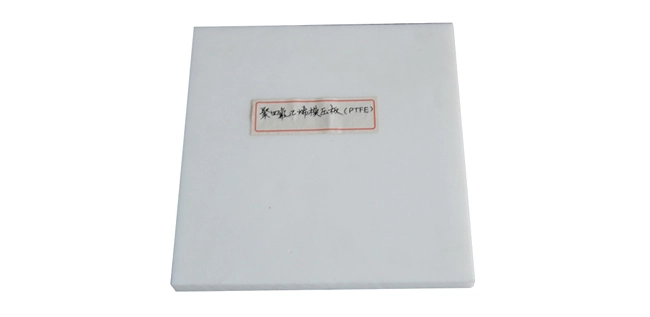





.jpg "PTFE Thin Film: A Versatile Tool in the Field of Biopharmaceuticals")
