Aug 22 , 2026
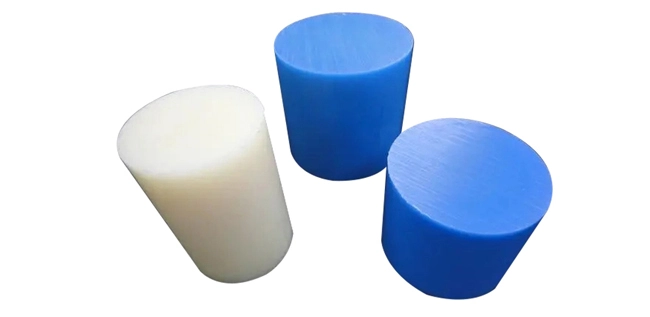
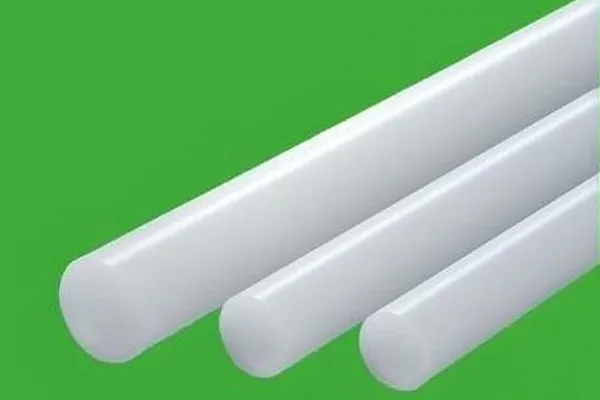
In the demanding environments of chemical processing, power generation, and water treatment facilities, pipeline integrity is paramount. The selection of sealing materials for valves, particularly in corrosive service, requires careful consideration to ensure long-term reliability and safety. Chemical-resistant Polypropylene (PP) rods/bars emerge as a highly effective solution for valve seals operating in corrosive media.
Polypropylene exhibits exceptional resistance to a wide spectrum of chemicals. This includes strong mineral acids (e.g., sulfuric, hydrochloric, nitric acids at various concentrations, phosphoric acid), alkalis, and many organic solvents. This inherent resistance stems from the polymer's non-polar nature and high crystallinity, which minimizes chemical attack and swelling compared to many other thermoplastics or elastomers. While PP may not be suitable for applications involving extremely strong oxidizing agents or certain chlorinated solvents at high temperatures, its broad chemical compatibility profile makes it a reliable choice for the majority of corrosive pipeline applications where elastomeric seals may degrade rapidly.
Beyond chemical resistance, PP offers several properties crucial for effective valve sealing:
1. Dimensional Stability: PP maintains its shape and dimensions well under typical pipeline operating pressures and temperatures (generally rated for continuous service up to approximately 100°C - 113°F ).
2. Low Moisture Absorption: Its hydrophobic nature prevents swelling due to water absorption, ensuring consistent sealing performance in aqueous environments.
3. Excellent Fatigue Resistance: PP seals withstand multiple compression cycles required during valve actuation and maintain sealing pressure.
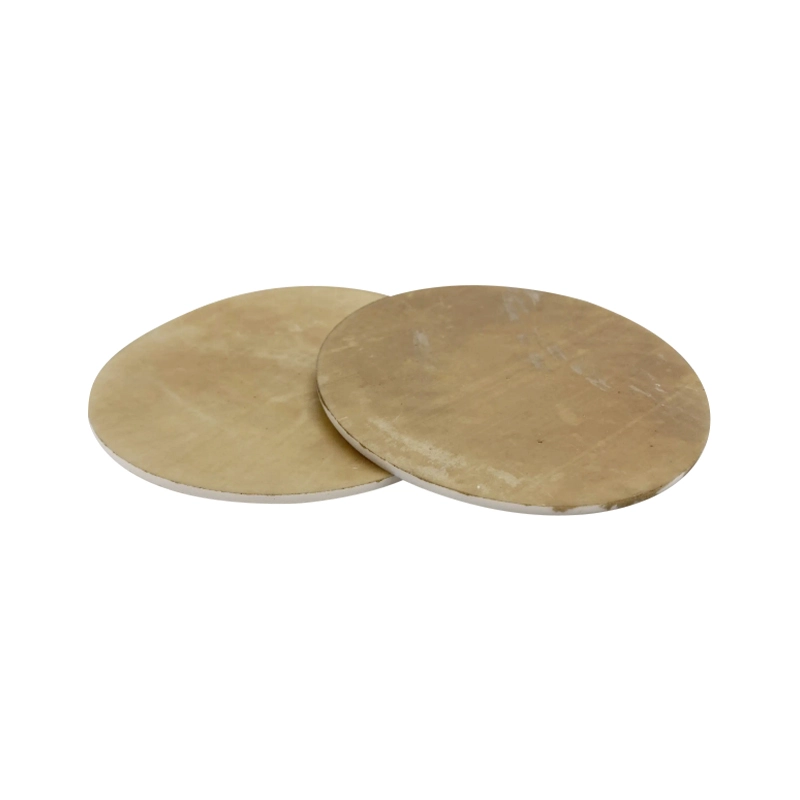
4. Good Machinability: PP rods/bars are readily machined (turned, milled) into precise seal geometries (rings, discs, V-rings, gaskets) using standard workshop equipment.
5. Low Friction: The inherent lubricity of PP reduces friction during valve stem movement, contributing to smoother operation and potentially extending actuator life.
6. Impact Resistance: PP maintains good toughness even at low environmental temperatures (down to approximately -10°C / 14°F), resisting brittle fracture from mechanical shock.
7. Resistance to Creep: Under sustained loads, PP demonstrates sufficient creep resistance to hold its compressed form and maintain the required sealing load at valve operating pressures.
* Versus Common Engineering Plastics: While materials like PVDF or PTFE may offer higher temperature or chemical resistance in specific cases, PP often provides the most cost-effective solution for a wide range of corrosive chemicals at moderate temperatures, with easier machinability common to valve shops.
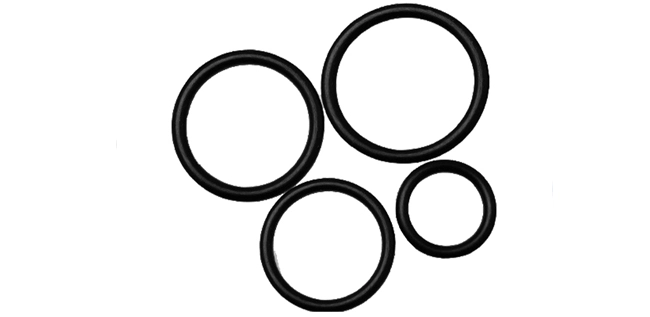
* Versus Elastomers (e.g., EPDM, FKM, VITON): PP offers superior resistance to many acids and solvents that rapidly degrade elastomers. Unlike elastomers, it does not exhibit compression set over time under continuous load, maintaining a reliable seal long-term without the need for frequent adjustment or replacement. It also avoids issues like hydrolysis that affect NBR. In high-temperature light hydrocarbon service versus most elastomeric O-rings, machined PP seals demonstrate superior longevity.
1. Specific Service Conditions: While PP has excellent general corrosion resistance, its suitability must be verified against the specific chemicals, concentrations, temperatures, and pressures in a given pipeline. Always consult the resin manufacturer's chemical resistance charts for the particular PP grade in use. Validate compatibility for actual valve operating conditions.
2. Seal Design: The effectiveness of seals derived from PP rods significantly depends on proper geometric design (e.g., ring profile geometries, D-rings, disc configurations suited for valve face interfaces) and precision machining to achieve the needed interference fit and sealing pressure.
3. Temperature Limitations: PP has an upper temperature limit for continuous service (typically ~100°C / 212°F). While brief excursions to higher temperatures may be possible depending on grade and loading, alternative materials should be considered for sustained high-temperature corrosive applications beyond this range. Valves operating above 100° C, require thermally stable polymer seals such as PEEK / PVDF for sealing capability.
4. Installation: Proper installation is critical. Ensure surfaces are clean, damage-free, and correctly aligned. Follow manufacturer-recommended torque or compression settings for seal glands and backing rings. Verify seal seats are prepared correctly per valve OEM standards.
5. Cold Flow Behavior: While PP exhibits good creep resistance, under extremely high-point loads or prolonged exposure near its thermal limits, some deformation (cold flow) could occur. Design should account for this to ensure the seal retains functionality.
When specifying PP rod/bar stock for valve seals:
1. Resin Grade: Specify the specific PP grade with demonstrated chemical resistance relevant to the application. Consider copolymer types (for low-temperature impact) or enhanced flow rate blends (for lower flow rate applications) if required. Homopolymer PP often provides the highest rigidity and strength.
2. Dimensions: Ensure the available stock sizes (diameter, length) meet the requirements for cutting the necessary seal components (typically available in rods from ~12mm to 300mm diameter and bar lengths of 1000mm to 3000mm depending on suppliers).
3. Manufacturing Quality: Source rods/bars from reputable manufacturers using controlled processes to guarantee consistent material properties, freedom from voids, and homogeneity essential for machining high-precision seal components.
4. Certification: Specify material certifications (ISO 9001, material test reports - MTRs/COC) confirming the chemical composition and physical properties meet defined specifications.
This is the first one.



 English
  日本語
日本語  한국어
한국어  français
  Español
  русский
  português
  العربية
  Polska
  Svenska




.png "Navigating Corrosion Challenges: Carbon Steel PTFE Lined Pipes for Petrochemical Industries")