Aug 17 , 2026
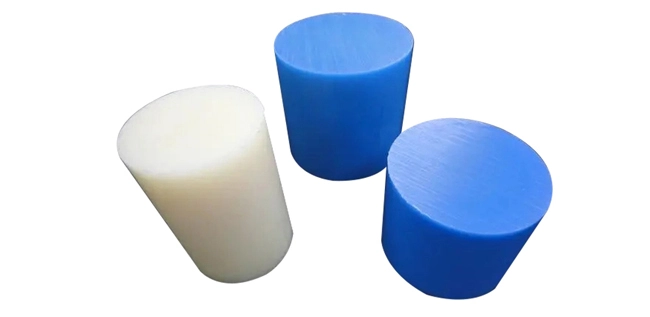
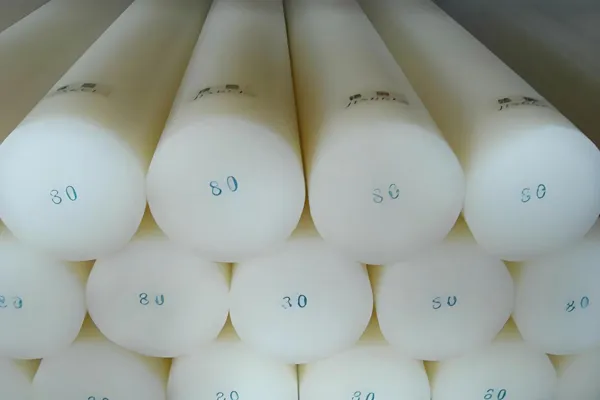
Conveyor systems are the backbone of countless industrial operations, facilitating the smooth and efficient movement of materials and products. Within these systems, conveyor guides play a pivotal role, ensuring product alignment, preventing derailment, and directing items accurately through various stages. The choice of material for these guides significantly impacts operational efficiency, maintenance downtime, and overall system longevity. Abrasion-resistant nylon rods have emerged as a superior engineering solution, offering a compelling combination of durability, reduced friction, and cost-effectiveness that stands up to the demanding rigors of continuous material handling.
Guides interact constantly with moving products, packages, or structural components. They face consistent abrasion, impact, and sliding friction forces. Materials like untreated steel, while strong, often present drawbacks:
● High Friction: Leading to increased drive load, product damage (scratches, marring), noise, and wear on both the guide and the conveyed items.
● Corrosion Susceptibility: Particularly problematic in damp, wet, or washdown environments, requiring expensive coatings or stainless steel alternatives.
● Installation Complexity: Can be heavy and harder to fabricate or install precisely.
● Vulnerability to Impact: Prone to denting or deformation under sudden shocks.
The need for materials that resist surface degradation while minimizing negative interactions with products is paramount.
When discussing "Nylon" in this context, we typically refer to engineered grades, primarily Polyamide 66 (PA66) or Polyamide 6 (PA6), often formulated with additives to enhance specific properties. Key inherent characteristics include:
1. Exceptional Wear Resistance: The fundamental property. Nylon's molecular structure provides inherent toughness and resilience against sliding abrasion. It deforms locally under load rather than scraping off or fracturing easily.
2. Low Coefficient of Friction: Nylon self-lubricates. Its inherent lubricity significantly reduces the friction force between moving parts compared to metals. This minimizes drag, lowers power consumption, extends belt life, and prevents product damage. The friction against nylon tends to remain stable over time.
3. Impact Strength & Resilience: Nylon can absorb shock loads effectively, resisting cracking or permanent deformation better than many rigid plastics or brittle metals. This resilience is crucial for handling impacts from product jostling or accidental collisions.
4. Chemical Resistance: Offers good resistance to many oils, greases, fuels, alkalis, and dilute acids. This protects against degradation in environments where corrosive spills might occur.
5. Lightweight: Reduces the overall weight burden on the conveyor structure.
6. Machinability & Fabrication: Easily machined into complex shapes, drilled, and cut to precise tolerances using standard woodworking or metalworking tools. Facilitates custom guide profiles and easy modifications.
7. Noise Reduction: Exhibits quieter operation compared to metal-to-metal contact, dampening vibration and reducing operational noise levels.
8. Cost-Effectiveness: Often a lower-cost replacement for metals like stainless steel or aluminum, especially considering the extended lifespan and reduced maintenance.
While standard nylons possess inherent wear resistance, specialized abrasion-resistant grades elevate performance in the critical area of sliding wear. Manufacturers enhance this property through:
● Internal Lubricants: Incorporating additives like PTFE (Teflon®) or silicones significantly lowers friction coefficients even further, minimizing heat generation and material loss through sliding. PTFE-filled nylon is a popular choice for high-wear guide applications.
● Anti-Wear Additives: Certain proprietary additives or reinforcements act specifically to reduce the molecular detachment that causes wear during sliding contact.
● Moisture Management (MC Nylon - Cast Nylon): While PA66 and PA6 absorb moisture, which can affect dimensional stability, MC Nylon (Polyamide 6, Cast) absorbs less moisture. This potentially translates to greater dimensional consistency in environments with humidity fluctuations, although precise machining remains critical.
● Fresh Surface: The rod form allows guides to be machined, providing a fresh surface optimized for low friction and wear, rather than potentially degraded material formed near mold surfaces.
Abrasion-resistant nylon rod material is used in various guide applications:
● Straight-Line Guides: Runways guiding products along the belt length.
● Transition Guides: Guides navigating products from one conveyor line to another.
● Side Guides / Lane Dividers: Ensuring products stay within their dedicated lanes or chutes.
● Curve Guides: Along bends in conveyor pathways.
● Low Side Guards: Preventing items from falling off the belt.
● Wear Strips & Wear Guides: Protecting structural components from abrasion by moving belts or chains.
The practical benefits observed by engineers and maintenance personnel include:
● Extended Service Life: Guides withstand millions of product contacts before requiring replacement.
● Reduced Maintenance: Less need for guide replacement or constant lubrication decreases downtime and labor costs.
● Improved Product Quality: Minimized scratching, marking, or deformation of conveyed goods, especially plastics, wood, cardboard, finished products, or food items.
● Lower Energy Consumption: Reduced friction translates directly to lower drive power requirements.
● Decreased Noise & Vibration: Creates quieter and smoother-running systems.
● Corrosion Avoidance: Eliminates issues encountered with uncoated ferrous metals in humid or corrosive environments.
● Design Flexibility: Allows for bespoke guide shapes and easier installation/modifications than bulkier metal parts.
To maximize performance, careful specification is essential:
● Load and Wear Profile: Analyze the magnitude and nature of contact forces (sliding dominant? impact significant?). High-impact zones may still require metal reinforcement.
● Chemical Exposure: Verify resistance against specific fluids present in the operating environment.
● Temperature Range: Nylon's mechanical properties decline as temperatures rise significantly above ambient. Material softening and increased wear occur at sustained high temperatures; premium grades offer extended temperature resistance.
● Surface Finish: Precise and smooth machining is critical to minimize friction and wear initiation points. Deburring and fine sanding are recommended.
● Mounting: Ensure a robust mounting strategy avoids stress concentrations that could lead to cracking under load.
This is the first one.


 English
  日本語
日本語  한국어
한국어  français
  Español
  русский
  português
  العربية
  Polska
  Svenska