Aug 07 , 2026
Ultra-High Molecular Weight Polyethylene (UHMWPE) sheet is a high-performance engineering thermoplastic renowned for its exceptional combination of properties. Its unique molecular structure – characterized by extremely long polymer chains – grants it advantages unattainable by many other polymers, metals, or ceramics. This makes UHMWPE an indispensable material in numerous demanding industrial applications. Understanding its properties, applications, and key purchasing considerations is crucial for leveraging its full potential.
UHMWPE's value stems from its remarkable blend of mechanical and physical characteristics:
1. Unparalleled Wear Resistance: This is arguably UHMWPE's most celebrated property. Its low coefficient of friction and high resistance to abrasion make it excel in applications involving sliding or rubbing contact. It significantly outperforms materials like nylon and acetal in abrasive environments and even surpasses many grades of carbon steel. Its self-lubricating nature minimizes wear on counter surfaces.
2. Superior Impact Strength: UHMWPE possesses extraordinary toughness and impact resistance, even at low temperatures. It absorbs impact energy effectively, making it suitable for applications where parts are subject to shock loading or repeated impact. This property remains excellent down to cryogenic temperatures.
3. Chemical Resistance: UHMWPE exhibits high resistance to a broad range of chemicals, including strong acids and bases, salts, oxidizing agents, and solvents. It is particularly noted for its excellent resistance to corrosive environments where many metals fail. However, compatibility should be verified for specific chemicals and operating temperatures.
4. Low Coefficient of Friction: The slippery nature of UHMWPE reduces friction with mating surfaces, promoting smooth motion without the constant need for external lubrication. This property contributes significantly to its wear resistance and efficiency in conveying or sliding applications.
5. Non-Toxic & FDA Compliance: Virgin UHMWPE is inherently non-toxic and tasteless. Many grades are compliant with FDA regulations (21 CFR) for repeated use in contact with food, making it suitable for food processing equipment, pharmaceutical applications, and potable water systems.
6. Excellent Noise & Vibration Dampening: UHMWPE absorbs vibrations effectively, reducing noise levels in machinery and equipment, contributing to quieter operation.
7. Low Moisture Absorption: It absorbs minimal amounts of moisture (< 0.02%), ensuring dimensional stability in humid environments or where parts may be exposed to water. This distinguishes it from materials like nylon.
8. Electrical Insulation: UHMWPE possesses good electrical insulating properties.
9. Resistance to Ultraviolet (UV) Light: While UHMWPE is naturally UV-resistant due to its polymer structure, continuous, prolonged exposure to intense sunlight can cause surface degradation. For critical outdoor applications, UV-stabilized grades or pigmented sheets are recommended for enhanced longevity.
10. Limitations: It is important to note limitations. UHMWPE has a relatively low melting point (approx. 130-136°C / 266-277°F), limiting continuous use temperatures to around 80-95°C (176-203°F). It exhibits significant thermal expansion. Its rigidity is lower than metals or highly filled polymers, and it is not suitable for applications requiring high bearing loads without adequate support. Creep under sustained load must also be considered in design.
The unique properties of UHMWPE sheet translate directly into a wide array of practical applications across numerous industries:
1. Material Handling & Conveying: Widely used for wear strips, guides, slides, chain guides, star wheels, and chute linings. Its low friction and wear resistance minimize material buildup and reduce drive power requirements on conveyors. It is ideal for bottling lines, packaging machinery, and bulk material handling (e.g., mining chutes, hopper liners).
2. Machinery Components: Frequently employed for gears, sprockets, bushings, washers, spacers, and wear pads where low friction, high wear resistance, impact absorption, and noise reduction are required. Often used as a replacement for metal parts in automotive jigs and fixtures.
3. Food & Beverage Industry: Compliance with FDA regulations makes it suitable for cutting boards (especially high-abrasion applications like fish or meat processing), wear strips on slicing equipment, conveyor components, chute liners, and other parts requiring cleanliness, wear resistance, and corrosion resistance from cleaning chemicals.
4. Chemical Processing: Used for tank linings, pump wear components, seals, and spacer rings due to its excellent chemical resistance. It protects equipment from aggressive substances.
5. Automotive: Found in wear strips on assembly lines, under-hood components requiring chemical resistance and toughness, jigs, fixtures, and bumper assemblies. Used in dump trucks as liners for bodies and tailgates to handle abrasive loads smoothly.
6. Marine: Used for dock fenders, wear pads on boat hoists, gunwale guards, and rub strips due to its impact resistance, moisture resistance, and ability to withstand the marine environment.
7. Water & Wastewater Treatment: Ideal for wear plates, slides, and other components within treatment plants due to its corrosion resistance and low moisture absorption.
8. Agriculture: Used in crop harvesting equipment, seeders, and feeders where resistance to abrasion from grains or soil is critical.
9. Recreational & Sporting Goods: Featured in snowmobile and ski runner skids, sled bottoms, and wear surfaces on other equipment due to high abrasion resistance and low friction.
10. Structural Components: As a lightweight, durable option for items like divider walls, chute assemblies, and custom machine guards.
To select the right UHMWPE sheet for your application, consider the following factors:
1. Thickness: UHMWPE sheet is available in a wide range of thicknesses, typically from 1mm (1/25") to 200mm (8") or more. Standard thicknesses are commonly stocked, but custom thicknesses can be sourced. Choose a thickness that provides adequate strength and wear life for the intended load and expected service life. Thicker sheets can accommodate deeper machining or wear allowances.
2. Dimensions: Sheets are commonly produced in standard sizes like 48"x96" (or metric equivalents like 1000mm x 2000mm) but can be cut to smaller custom sizes. Consider handling, machining requirements, and minimizing waste.
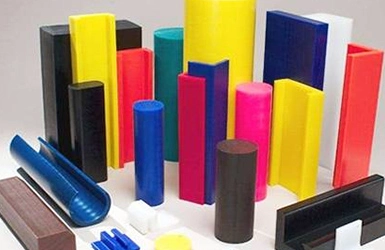
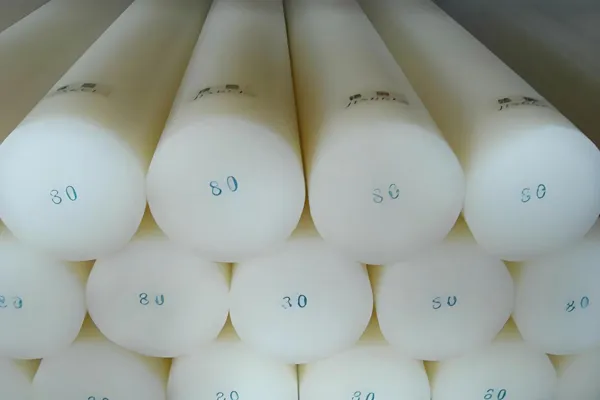
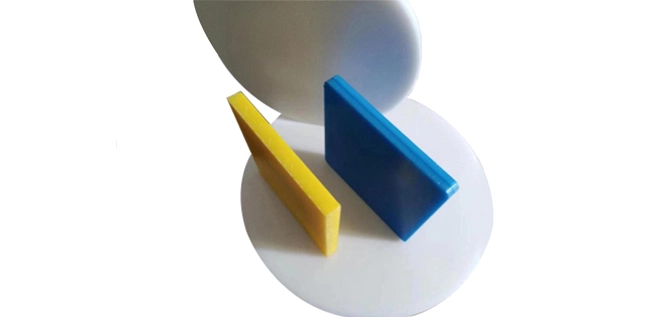
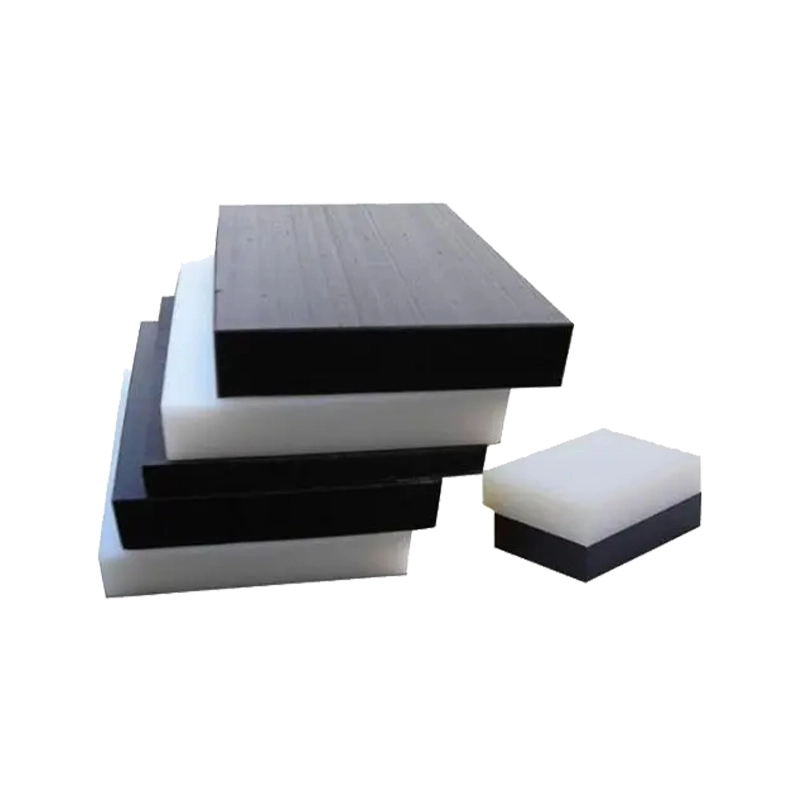
3. Color: Natural UHMWPE is an opaque white. Various colors are available, often through full-body pigments rather than just surface coating. Color choice might be for aesthetic reasons, safety markings, or specific functional needs (like enhanced UV resistance from certain pigments).
4. Grade: Virgin UHMWPE comes in different molecular weights, though distinctions (like 3 Million g/mol vs. 10 Million g/mol ASTM D4020) are subtle chemically. However, producers offer specific grades formulated for different requirements:
Standard: Balanced performance for broad industrial use.
Food Grade: Compliant with FDA regulations (e.g., FDA CFR 21) for direct food contact.
UHMWPE PTFE Blend: Enhanced coefficients of friction, similar to PTFE.
UHMWPE Molybdenum Disulfide Blend: Reduces friction without using PTFE, suitable for FDA environments where raw PTFE might not be.
Ultra-Abrasion-Resistant: Enhanced resistance for extremely demanding wear applications (often measured against ASTM D407 slip in slurry tests).
UV Stabilized: Incorporates additives to resist degradation from ultraviolet light for long-term outdoor exposure.
5. Edge & Surface Finish: Production methods like sintering or compression molding yield sheets with characteristic finishes. Compression molded sheets can have smooth, matte surfaces suitable for many uses. Edge finishing can vary. Specify tolerance requirements if critical.
6. UV Stabilization: For outdoor applications exposed to direct sunlight, opt for UV-stabilized grades or darkly pigmented sheets (black offers the best protection) to prevent surface embrittlement and cracking over time.
7. Manufacturing Capabilities: UHMWPE can be machined relatively easily into complex shapes (sawing, routing, milling, turning) with appropriate tools designed for plastics. However, mass production techniques like injection molding are impractical due to extremely high melt viscosity. Cutting techniques alter the surface properties – machined edges are softer and more prone to transient wear than the original sheet surface. Bonding adhesives specifically designed for polyolefins are available, but mechanical fastening is often preferred.
8. Supplier: Select a reputable supplier. Key indicators include:
Material Certifications: Ability to provide traceable lot certifications confirming composition, FDA status (if applicable), UV rating, etc.
Quality Control: Consistent material produced to recognized industry benchmarks.
Industry Knowledge: Sales and technical support personnel knowledgeable about UHMWPE's properties, limitations, processing, and applications.
Customization & Lead Times: Ability to cut sheet to size and thickness requirements within reasonable lead times.
Testing Facilities: Some suppliers offer wear testing capabilities to compare grades for specific applications.
9. Cost Considerations: While the initial cost per pound/kg might seem higher than some competitors, the total cost of ownership is often lower due to vastly extended service life, reduced maintenance downtime, elimination of external lubricants, and replacement costs.
This is the first one.



 English
  日本語
日本語  한국어
한국어  français
  Español
  русский
  português
  العربية
  Polska
  Svenska






.jpg "PTFE Thin Film in Surgical and Implantable Devices")