Jul 20 , 2026
Cryogenic environments, characterized by temperatures typically below -150°C (-238°F), where materials like liquid nitrogen (-196°C/-320.8°F) and liquid helium (-269°C/-452°F) exist, present extreme challenges for engineering materials. Components must maintain structural integrity, functional performance, and safety while enduring dramatic thermal contraction, potential embrittlement, significant thermal stress, and interactions with various cryogenic fluids. Among the limited set of materials suited for such demanding conditions, polytetrafluoroethylene (PTFE) sheet stands out as a remarkably robust and versatile solution. Its unique combination of properties makes it indispensable in numerous cryogenic applications.
Materials exposed to cryogenic temperatures face several critical issues:
Brittleness: Many materials experience a sharp decrease in toughness, becoming fragile and susceptible to cracking or shattering just from handling or minor stresses.
Thermal Contraction: All materials shrink significantly when cooled. Mismatches in coefficient of thermal expansion (CTE) between adjacent materials can induce severe stresses, potentially causing deformation, cracking, or lead to seal failure.
Material Property Changes: Strength, ductility, thermal conductivity, electrical properties, and chemical resistance can undergo substantial, sometimes detrimental, changes.
Thermal Stresses: Rapid temperature changes (thermal cycling) generate stresses that materials must withstand without failure.
These factors necessitate careful material selection based on demonstrable performance at the operating temperature.
PTFE possesses an inherently suitable molecular structure for low-temperature service. Its key properties relevant to cryogenic applications include:
Outstanding Low-Temperature Flexibility and Toughness: Perhaps its most significant advantage in cryogenic settings, PTFE does not become significantly brittle until temperatures plummet far below typical cryogenic ranges. While it undergoes a crystalline phase transition around 19°C (66°F), below which its flexibility *increases*, it retains useful ductility and resistance to cracking even at temperatures near absolute zero (around -273°C/-459.4°F). This robustness allows PTFE sheets to be used in seals, gaskets, and linings where shock or vibration resistance is critical.
Low Coefficient of Friction: PTFE exhibits one of the lowest known coefficients of friction, both static and dynamic, in both dry and lubricated conditions. At cryogenic temperatures, this property generally improves even further. This makes PTFE sheet ideal for bearings, wear plates, slide surfaces, and components where minimizing friction is essential.
Chemical Inertness: PTFE is virtually unreactive and insoluble in almost all chemicals, including highly reactive oxidizers like liquid oxygen or corrosive liquids like liquid hydrogen. This ensures compatibility with a vast range of cryogenic fluids without degradation.
Excellent Electrical Insulation Properties: Like most polymers, PTFE is an excellent electrical insulator. Crucially, its dielectric strength and insulating capabilities remain effective at cryogenic temperatures, making it suitable for electrical components, feedthroughs, and components within superconducting systems that are extremely sensitive to stray heat and electrical leakage. Its low dielectric constant and dissipation factor are also stable at low temperatures.
Low Thermal Conductivity: PTFE is a poor conductor of heat. This is highly beneficial for applications requiring thermal insulation components – such as spacers, washers, or isolating sheets – inserted between colder and warmer parts to minimize heat leakage into cryogenic environments, thereby reducing boil-off losses and maintaining target temperatures.
Low Permeability: PTFE offers excellent resistance to permeation by gases and liquids, crucial for containing critical cryogenic fluids like helium or hydrogen.
Low Moisture Absorption: PTFE absorbs almost no water, preventing ice formation and changes in dimensions or properties caused by moisture at low temperatures.
PTFE is manufactured into sheets of varying thicknesses, and these sheets find diverse uses in cryogenic engineering:
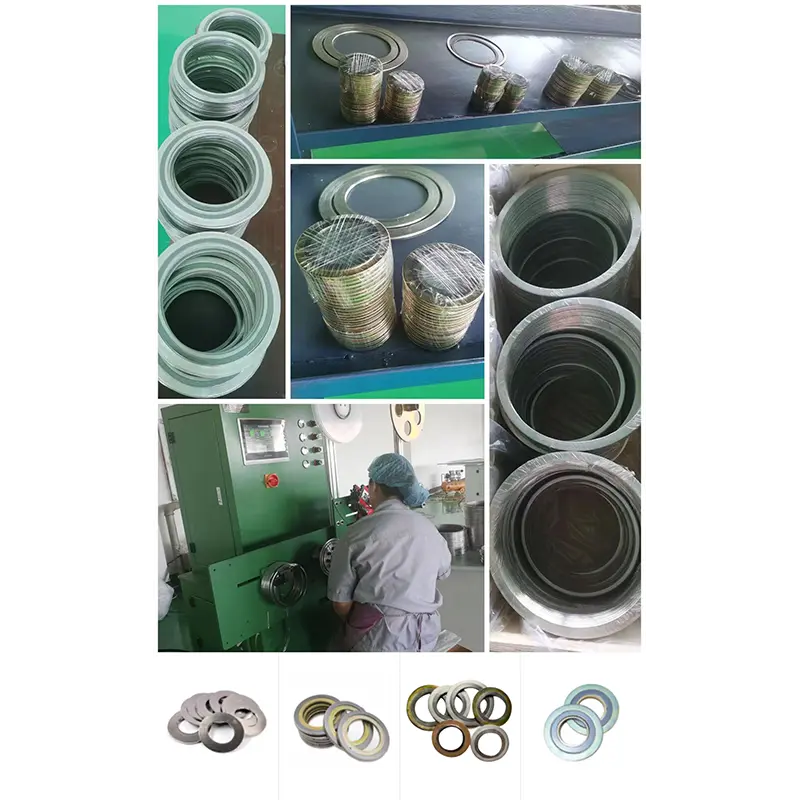
Gaskets and Seals: Due to its low-temperature flexibility, chemical resistance, and sealing ability, PTFE sheet is extensively used for pressed gaskets, flange seals, valve stem seals, and sealing elements in pumps and tanks handling liquefied gases (LN2, LOX, LH2, LHe). Its conformability helps accommodate thermal cycling stresses.
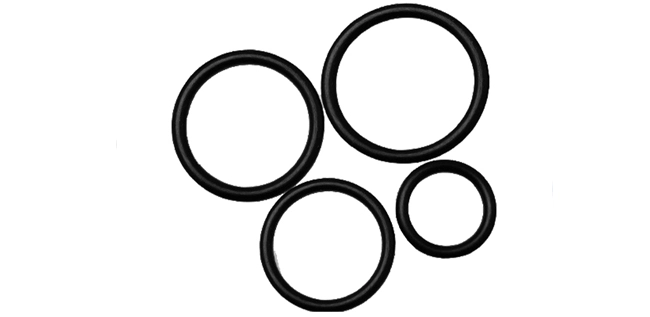
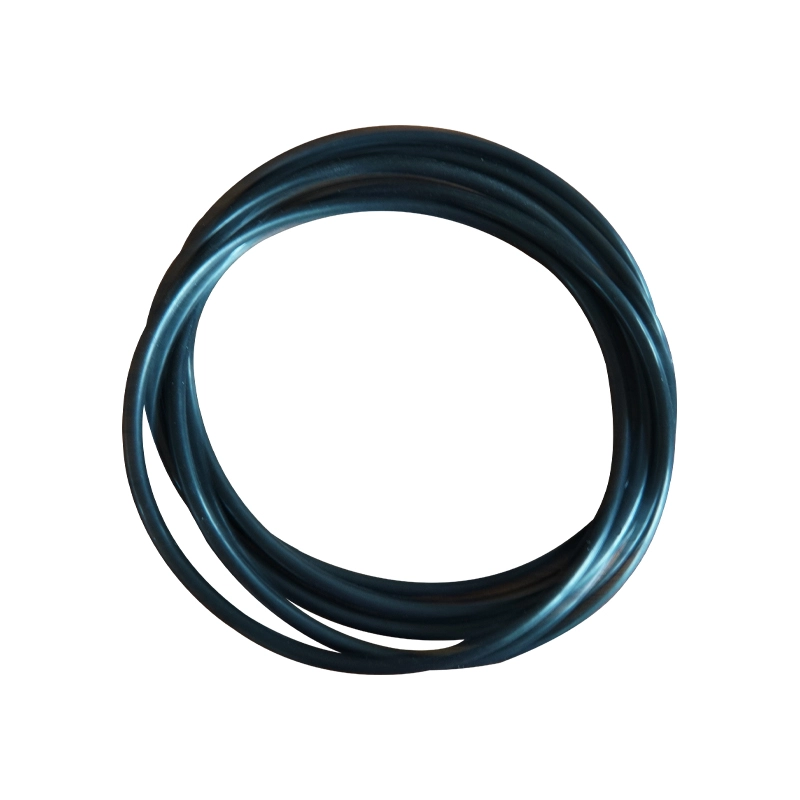
Backing Rings: Thin PTFE sheets often serve as deformable backing rings supporting primary sealing components (like elastomer O-rings) in flanges and joints, helping them achieve an effective seal under bolt load, even after experiencing thermal contraction.
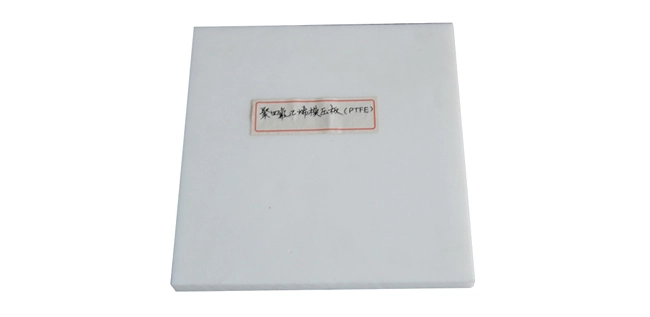
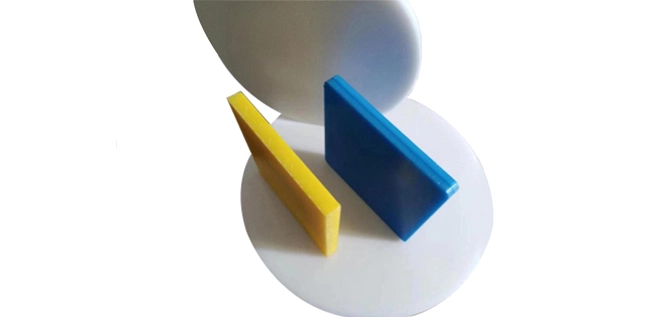
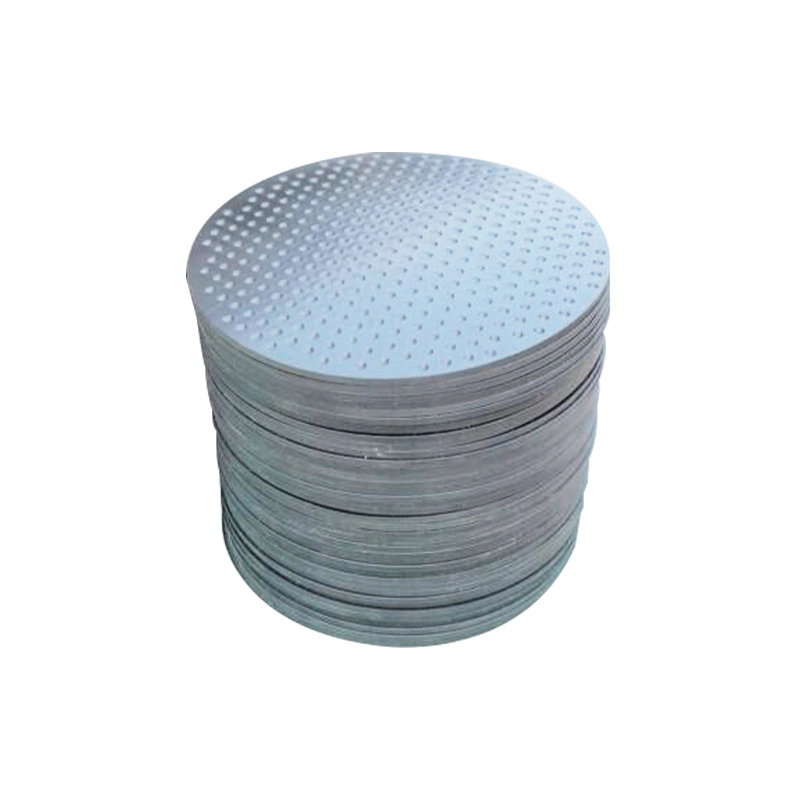
Insulating Spacers and Washers: Its combination of mechanical strength and very low thermal conductivity makes solid PTFE sheet ideal for creating insulating spacers, stand-offs, and washers used to prevent "thermal shorts" between components at different temperature stages within cryostats and cryogenic cold boxes. Glass-reinforced PTFE sheet offers enhanced compressive strength and dimensional stability for such demanding applications.
Sliding/Rotational Components: Its low friction and excellent wear resistance make PTFE film or sheet suitable for components requiring smooth sliding or rotational movement at cryogenic temperatures, such as bearing pads (possibly impregnated with fillers like bronze or glass for enhanced properties), guide strips, ball seats, and cryogenic valve components.
Electrical Components: PTFE sheet is used as insulating barriers, wraps in wires and cables operating in cryogenic environments, insulating plates in cryogenic electrical feedthroughs, and structural components in superconducting devices like particle detectors (e.g., for Large Hadron Collider experiments) where electrical integrity is paramount.
Containment and Liners: Impervious to most cryogenic fluids and extremely durable, PTFE sheeting can be used as protective liners for tanks or containers holding liquefied gases, preventing contact with potentially incompatible substrate materials.
General Fabrication: Sheets are often machined into complex shapes for specialized cryogenic components, including pump parts, sensor holders, structural supports, and baffles.



 English
  日本語
日本語  한국어
한국어  français
  Español
  русский
  português
  العربية
  Polska
  Svenska