Jul 10 , 2026
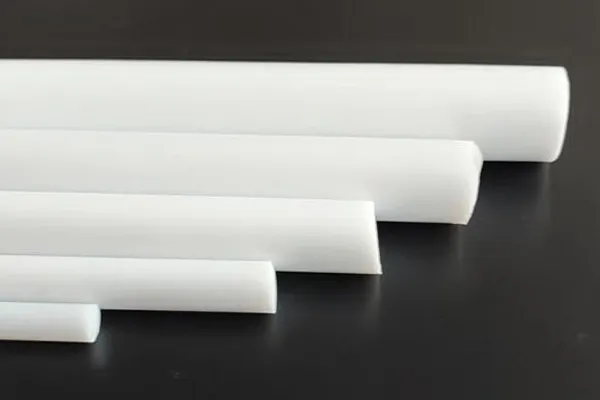
Polytetrafluoroethylene (PTFE), known for its exceptional chemical inertness and low friction, plays a vital role in hygienic processing environments. Their specific properties directly address the core demands of these industries: uncompromising hygiene, chemical resistance, and non-contamination.
Chemical Inertness: PTFE boasts remarkable resistance to almost all chemicals encountered in food processing, including strong acids, alkalis, cleaning agents (detergents and sanitizers like bleach and peroxide solutions), solvents, and various food components (oils, juices, etc.). This prevents degradation, leaching of harmful substances, and ensures the polymer does not react with the product or cleaning regimes.
Non-Reactivity & Hydrophobicity: Its inert nature combined with water-repellent properties ensures minimal interaction with food, preventing unwanted absorption, adsorption, or transfer of flavors or odors. This preserves the purity and taste profile of the product.
Non-Stick Properties: PTFE has one of the lowest known coefficients of friction. This intrinsic non-stick nature prevents food products – particularly sticky substances like doughs, batters, pastes, cheeses, confectionery items, or processed meats – from adhering to machine surfaces. This significantly reduces product waste buildup, facilitates easier cleaning, minimizes downtime for cleaning cycles, and ensures more complete product discharge.
Biocompatibility & Safety: PTFE itself is inherently biocompatible. When *specifically manufactured and certified for food contact* (Food-Grade) using FDA (21 CFR 177.1550) or EU (EC 1935/2004) compliant resins and processes, PTFE rods and bars are safe for direct contact with foodstuffs. This certification ensures that no harmful additives or processing contaminants are present at levels that could migrate into food.
Thermal Stability: While continuous operating temperatures are typically limited to around 260°C (500°F) due to dimensional stability concerns, food-grade PTFE retains its properties over a wide range of temperatures common in food processing – from cryogenic freezing applications to pasteurization and high-temperature sterilizing environments (contact with hot liquids, steam). Its high melting point (~327°C) provides a significant safety margin against melting.
Low Wear & Abrasion Resistance: While softer than some metals, food-grade PTFE rods exhibit suitable wear resistance for many applications, minimizing particle generation that could contaminate products. However, wear resistance should always be evaluated for the specific application's load and motion.
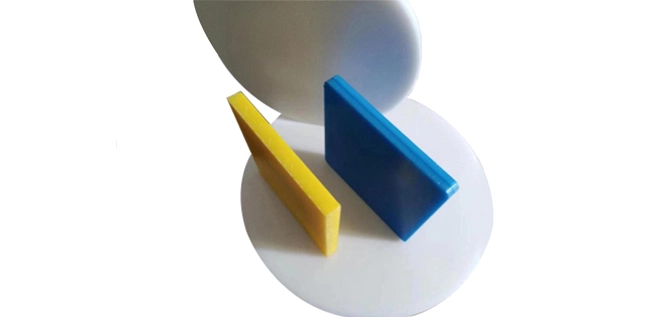
Food-grade PTFE rods and bars are frequently machined into various critical contact components installed directly within processing lines:
Wear Strips & Pads: Positioned to prevent direct metal-to-metal contact or as sacrificial elements in sliding mechanisms (e.g., guide rails for cartons, pusher arms in packing machines, conveying systems with packaged goods). Their low friction reduces wear on mating surfaces and dampens vibration/noise.
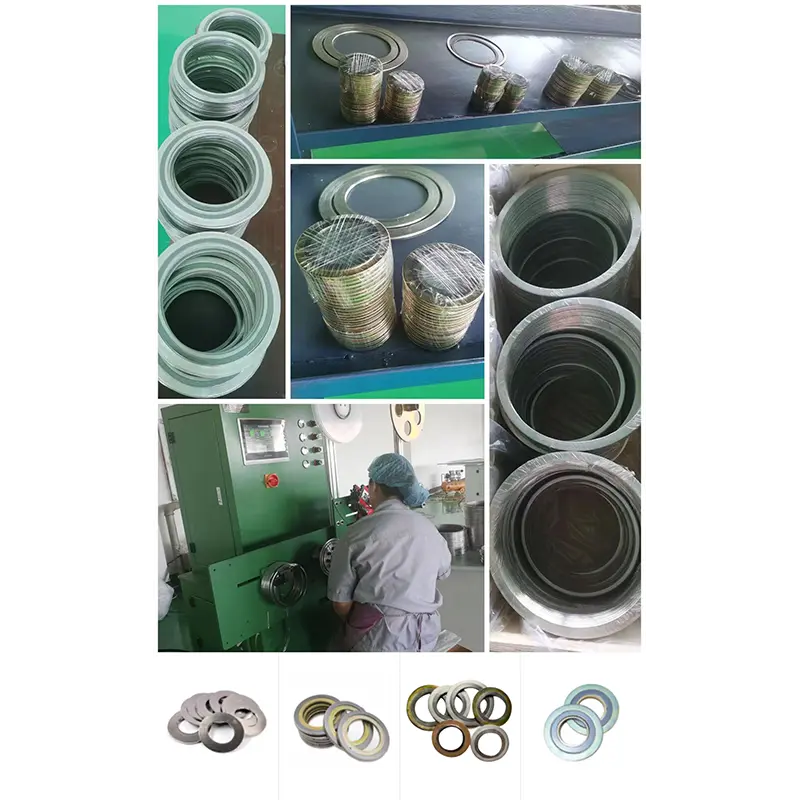
Seals & Gaskets: Ideal for static seals in pipe flanges, valve bodies, tank manways, and pump housings where their chemical resistance to CIP/SIP chemicals is essential. Machined rod stock allows for custom dimensions. (Note: Parts experiencing significant dynamic motion/compression cycle fatigue may require filled PTFE or alternative solutions).
Scrapers, Wipers & Doctor Blades: Used efficiently in mixers, blenders, extruders, and coating lines to gently remove every last bit of product from barrel walls, shafts, rolls (conveyor rolls, coating rolls), or cutting surfaces, minimizing waste and promoting sanitation. The non-stick property is crucial here.
Bushings, Bearings (Light Load/Slow Speeds): Suitable for low-load, low-speed applications like guide rollers, conveyor pivot points, or linkage points where lubrication is impractical or undesirable (e.g., dry areas). The self-lubricating nature eliminates contamination risk from grease or oil. Higher loads or speeds often necessitate the use of filled PTFE composites.
Insulating Spacers: Utilized in electrical equipment within wet zones or areas exposed to washdown due to PTFE's excellent dielectric properties and water resistance.
Guide Blocks & Slides: Machined parts guiding sensors, printing heads, or other components in packaging machinery where smooth, lubricant-free movement is required near unpackaged food.
Laboratory & Testing Fixtures: Components for test rigs, sample handling, and analytical equipment where contamination must be avoided.



 English
  日本語
日本語  한국어
한국어  français
  Español
  русский
  português
  العربية
  Polska
  Svenska







.png "Unveiling the Versatility: Carbon Steel PTFE Lined Pipes in Chemical Processing")