Apr 24 , 2026
The demanding environments of acid production plants, particularly those manufacturing sulfuric acid (H₂SO₄) or phosphoric acid (H₃PO₄), present significant challenges for sealing components. Fluids handled are often highly corrosive, operate at elevated temperatures, and may contain abrasive particulates. Selecting the right gasket material is paramount for ensuring plant integrity, safety, and operational efficiency. Among the various options, gaskets manufactured from sheets of Polytetrafluoroethylene (PTFE) stand out as a frequently chosen and highly effective solution due to their exceptional chemical resistance and reliable performance.
Acid plants involve processes that generate, concentrate, and handle aggressive chemicals:
1. Sulfuric Acid Plants: Involve handling sulfur dioxide (SO₂), sulfur trioxide (SO₃), concentrated sulfuric acid (often 98% H₂SO₄), and oleum (fuming sulfuric acid, H₂S₂O₇). These substances are intensely corrosive to most metals and many elastomers.
2. Phosphoric Acid Plants: Deal with phosphoric acid at various concentrations, often containing impurities like fluorides, chlorides, and sulfates, alongside abrasive gypsum slurries. Temperature fluctuations are common.
3. Common Conditions: Elevated temperatures (frequently exceeding 100°C, sometimes up to 200°C or more in specific zones), high pressures in certain processes, and the presence of abrasive media like catalyst dust or gypsum slurry necessitate robust sealing.
Conventional gasket materials like compressed asbestos fibre (CAF), rubber, or graphite face limitations:
* Chemical Attack: Rubber and many filled materials can swell, degrade, or disintegrate when exposed to concentrated acids or oleum.
* Temperature Limits: Elastomers often have upper temperature thresholds below those encountered in acid plants.
* Permeation: Some materials may allow slow permeation of aggressive media, leading to flange corrosion underneath the gasket.
* Abrasion: Soft materials can be eroded by abrasive slurries.
PTFE, a fully fluorinated high molecular weight polymer, possesses a unique combination of properties that make it exceptionally suitable for acid service:
1. Outstanding Chemical Resistance: PTFE is virtually inert to almost all chemicals encountered in acid plants. It resists attack by concentrated sulfuric acid, oleum, phosphoric acid (even with impurities), nitric acid, hydrochloric acid, and a vast array of other aggressive substances at the relevant temperatures. This resistance stems from the strong carbon-fluorine bonds and the shielding effect of the fluorine atoms around the carbon chain.
2. Wide Temperature Range: PTFE maintains its properties over a broad temperature spectrum, typically from cryogenic conditions up to approximately 260°C (500°F). This covers the vast majority of operating temperatures found in sulfuric and phosphoric acid production facilities.
3. Non-Stick Properties: PTFE has an extremely low coefficient of friction and excellent release properties. This minimizes the risk of the gasket adhering to the flange faces during disassembly, simplifying maintenance.
4. Low Permeability: Compared to many elastomers, PTFE has very low permeability to liquids and gases, reducing the risk of underlying flange corrosion.
5. Electrical Insulation: PTFE is an excellent electrical insulator, which can be relevant in certain plant areas.
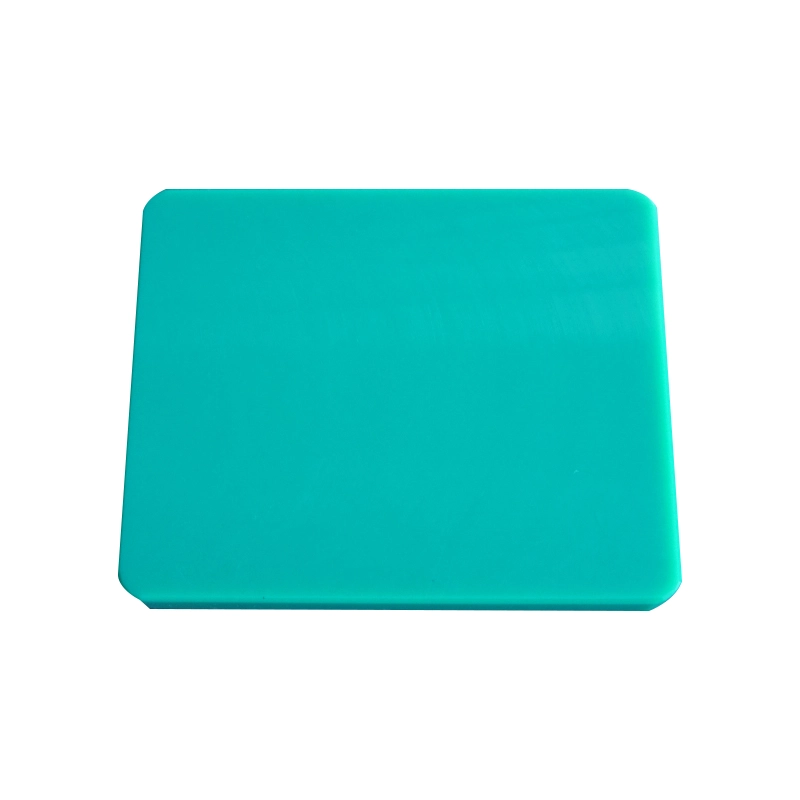
Gaskets for acid plants are typically fabricated from sheets of PTFE. These sheets come in different forms:
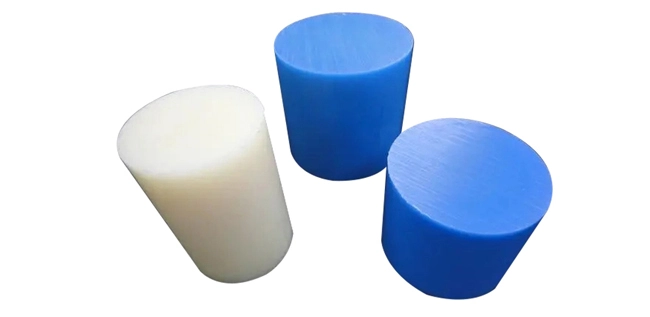
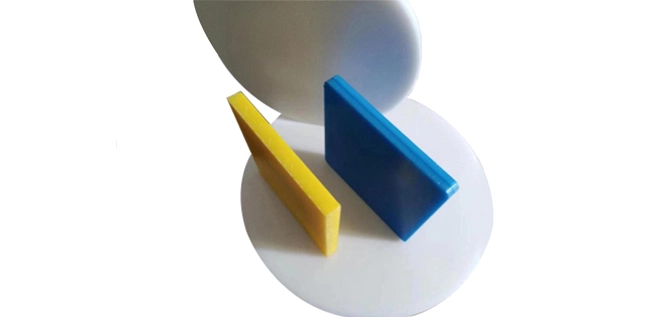
1. Virgin PTFE Sheet (Skived): Produced by machining (skiving) a solid block of pure PTFE resin. This results in a gasket material with excellent chemical resistance and purity. However, virgin PTFE is relatively soft and exhibits significant cold flow (creep) under load, meaning it can permanently deform over time, potentially leading to bolt relaxation and seal failure if not managed correctly. It is generally suitable for lower-pressure applications or where extreme chemical resistance is the primary concern.
2. Filled PTFE Sheet: To enhance mechanical properties and reduce cold flow, PTFE is often compounded with inert fillers. Common fillers used in acid plant gaskets include:
* Glass Fibre: Improves tensile strength, creep resistance, and dimensional stability. Suitable for many acid applications.
* Carbon/Graphite: Enhances thermal conductivity and further improves creep resistance. Also provides some lubricity. Effective in acid environments.
* Stainless Steel: Significantly increases mechanical strength and reduces cold flow dramatically. Ideal for higher pressure applications and where severe creep is a concern. Must be specified carefully to avoid galvanic corrosion if flanges are carbon steel.
* Other Fillers (e.g., Mica, Bronze): Used less frequently in acid plants but may offer specific benefits like improved abrasion resistance or thermal properties.
Filled PTFE sheets offer a better balance between the unparalleled chemical resistance of PTFE and the required mechanical strength and creep resistance for demanding flanged connections in acid service. They are the most common choice for critical applications.
PTFE sheet gaskets find widespread use throughout acid production facilities:
* Flange Connections: On pipes, valves, pumps, heat exchangers, and vessels handling sulfuric acid (various concentrations, including oleum), phosphoric acid, process gases (SO₂, SO₃), and associated process streams.
* Heat Exchangers: Particularly where acid is on the shell or tube side, requiring seals resistant to both temperature and corrosion.
* Pump Casings and Covers: Sealing interfaces on acid pumps.
* Tank Manways and Nozzles: Providing seals on storage and process tanks.
* Absorber Towers and Dryers: Critical connections in the sulfur burning and absorption processes for sulfuric acid.
* Phosphoric Acid Evaporators and Filters: Handling hot acid and abrasive slurries.



 English
  日本語
日本語  한국어
한국어  français
  Español
  русский
  português
  العربية
  Polska
  Svenska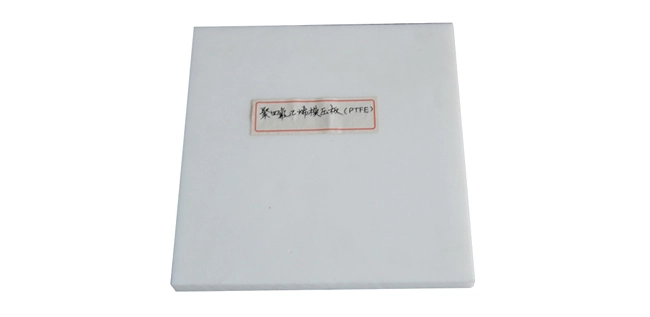








.png "Navigating Corrosion Challenges: Carbon Steel PTFE Lined Pipes for Petrochemical Industries")