Apr 11 , 2026
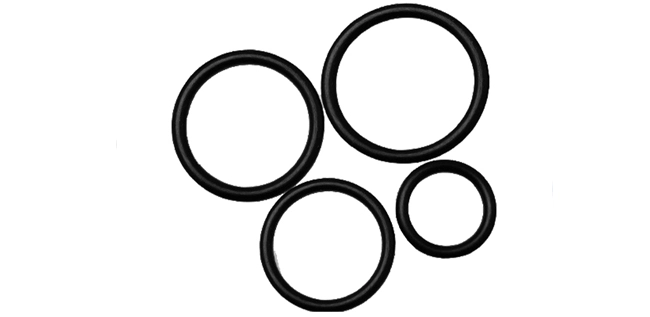
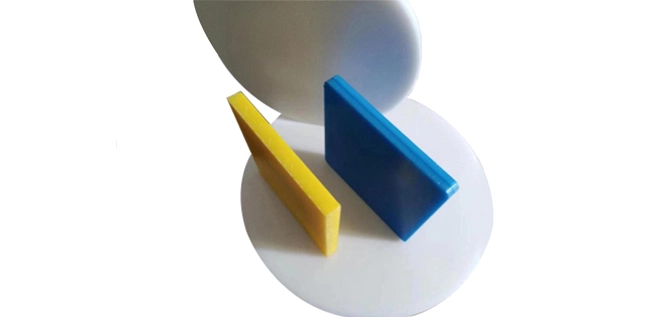
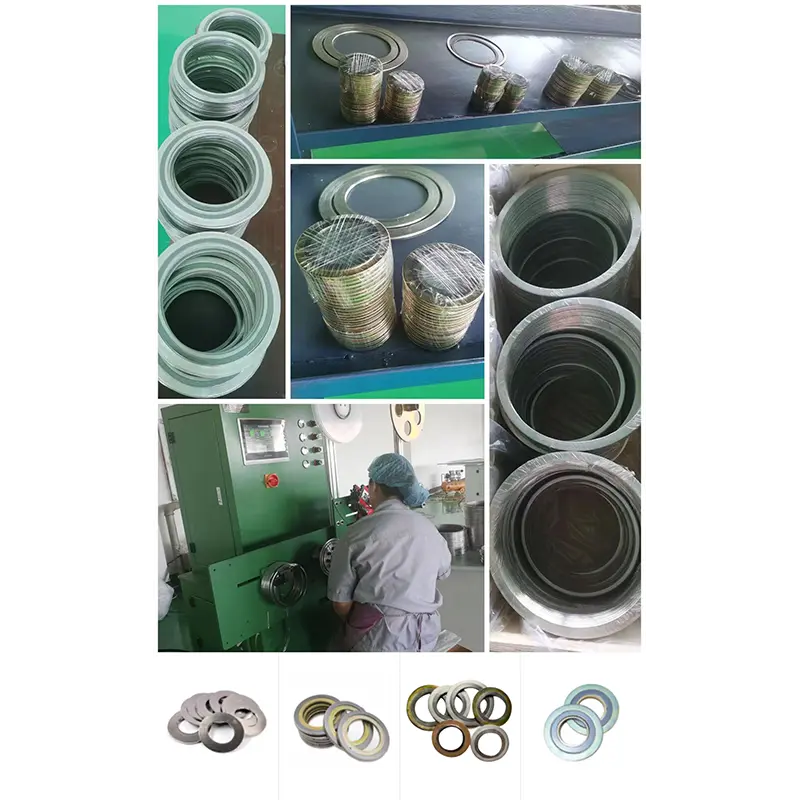
Polytetrafluoroethylene (PTFE), renowned for its unique combination of properties, stands as a premier material choice for demanding sealing applications. Fabricated into rods and bars, PTFE provides manufacturers with a versatile stock shape ideal for machining precision gaskets and seals, particularly where minimizing friction is paramount.
The exceptional performance of PTFE in sealing stems from its inherent molecular structure:
1. Extremely Low Coefficient of Friction: PTFE possesses one of the lowest coefficients of static and dynamic friction of any solid material. This inherent slipperiness significantly reduces the force required for movement and minimizes wear between contacting surfaces in dynamic seals.
2. Outstanding Chemical Resistance: PTFE is virtually inert, exhibiting remarkable resistance to attack by a vast array of aggressive chemicals, solvents, and acids. This ensures seals maintain integrity even in highly corrosive environments.
3. Exceptional Thermal Stability: PTFE maintains its useful properties across a wide temperature range, typically from approximately -200°F (-130°C) to +500°F (+260°C) for continuous service (with higher short-term peaks possible). This thermal resilience allows seals to function reliably in diverse operating conditions.
4. Excellent Dielectric Properties: PTFE is an outstanding electrical insulator, making it suitable for seals in electrical or electronic components.
5. Non-Stick Nature: The non-stick surface of PTFE prevents adhesion and buildup of materials, contributing to cleaner operation and easier maintenance of seals.
6. Low Moisture Absorption: PTFE absorbs virtually no water, ensuring dimensional stability and consistent performance even in humid or wet conditions.
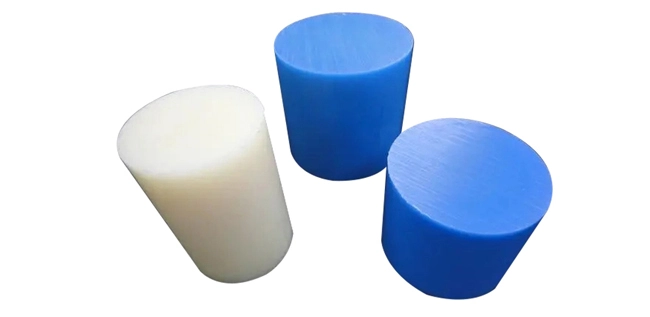
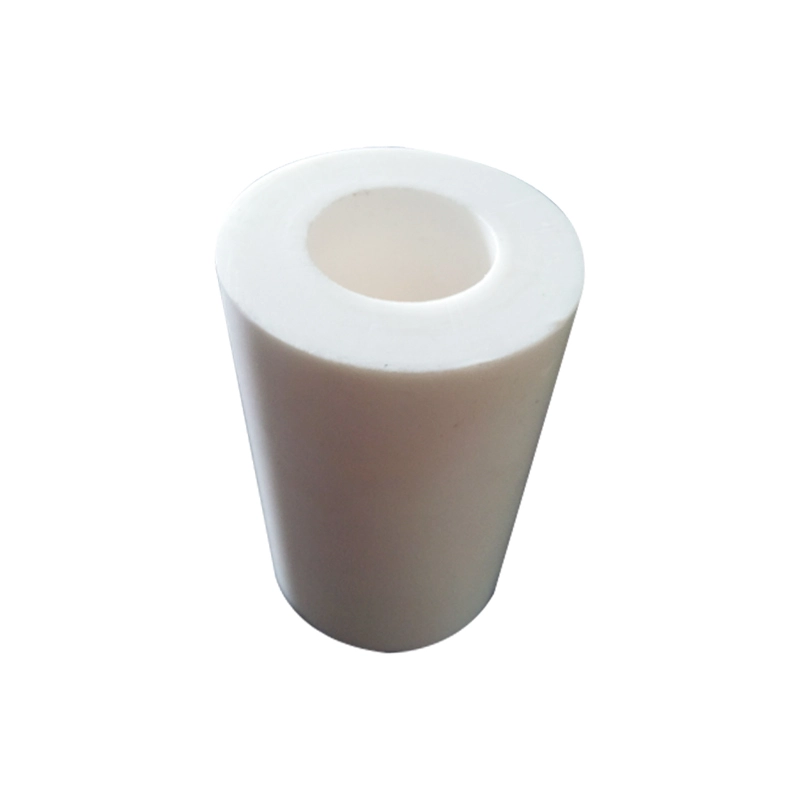
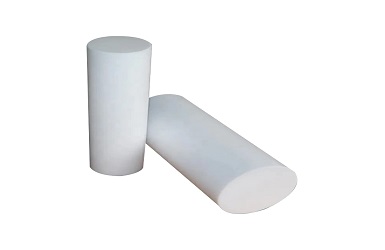
PTFE is manufactured into solid rods and bars of various diameters and lengths. This form factor provides several advantages for seal production:
1. Machinability: Despite its toughness, PTFE can be readily machined using conventional tools (though sharp tools and appropriate speeds/feeds are essential). This allows for the precise fabrication of complex seal geometries, custom flanges, washers, and intricate gasket profiles directly from the rod stock.
2. Material Consistency: High-quality PTFE rods offer consistent density and properties throughout the cross-section, crucial for predictable seal performance.
3. Versatility in Size: Available in a wide range of diameters and lengths, PTFE rods cater to both small, intricate seals and larger sealing components.
4. Cost-Effectiveness for Prototyping and Low Volumes: Machining seals directly from rod stock is often more economical than molding for prototypes, custom one-off parts, or small production batches.
The combination of PTFE's properties translates directly into superior performance in low-friction gaskets and seals:
* Reduced Wear and Tear: The low friction coefficient minimizes surface abrasion on both the seal itself and the counterface it contacts (e.g., a shaft or housing). This extends the service life of both the seal and the mating components, reducing maintenance frequency and costs.
* Lower Operating Forces: In dynamic applications like piston seals or valve stems, low friction means less force is required to initiate and maintain movement. This can lead to energy savings and smoother operation of machinery.
* Minimized Heat Generation: Friction generates heat. PTFE's low friction properties help keep operating temperatures lower, which is beneficial for the seal material itself and surrounding components.
* Dry Running Capability: While lubricants are often used, PTFE's inherent lubricity allows certain seal designs to function effectively for periods without external lubrication, a critical advantage in applications where contamination must be avoided (e.g., food, pharma, cleanrooms) or where lubrication is impractical.
* Chemical Compatibility: The seal's resistance ensures it doesn't degrade, swell, or lose sealing capability when exposed to process fluids or cleaning agents.
* Temperature Resilience: Seals maintain performance across wide temperature swings, critical in processes involving heating/cooling cycles or extreme environments.



 English
  日本語
日本語  한국어
한국어  français
  Español
  русский
  português
  العربية
  Polska
  Svenska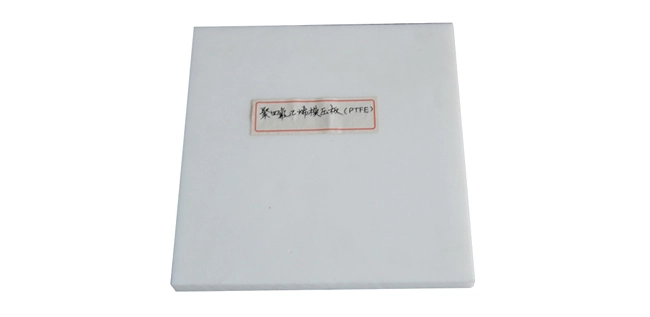




.jpg "PTFE Thin Film: A Versatile Tool in the Field of Biopharmaceuticals")