Jun 09 , 2026
In industrial equipment, sliding components are constantly exposed to friction, load, dust, moisture, and continuous movement. Traditional metal wear plates often require regular lubrication to prevent excessive wear, increasing maintenance costs and operational downtime.
Self-lubricating nylon plates were developed to address these challenges. Manufactured from engineering-grade nylon (primarily PA6 or PA66) and enhanced with solid lubricants such as PTFE, molybdenum disulfide (MoS₂), or graphite, these materials provide excellent wear resistance while significantly reducing friction without the need for external lubricants.
As industries continue to seek reliable and maintenance-free solutions, self-lubricating nylon plates have become a preferred material for wear pads, guide rails, bushings, gears, and other sliding components.
Unlike standard nylon materials that may require periodic lubrication, self-lubricating nylon contains solid lubricant particles distributed throughout the polymer matrix during manufacturing.
These lubricating additives gradually create a transfer film on the contact surface during operation. This film reduces direct surface-to-surface contact, lowering friction and minimizing wear on both the nylon component and the mating part.
Common lubricant additives include:
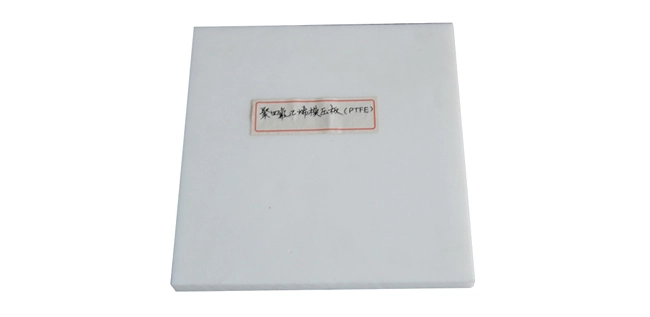
PTFE (Polytetrafluoroethylene) is widely recognized for its extremely low coefficient of friction. When incorporated into nylon, PTFE helps create a smoother sliding surface and improves wear performance under continuous motion.
PTFE-filled nylon is often selected for:
Linear guide systems
Conveyor wear strips
Sliding rails
Precision mechanical components
Molybdenum disulfide (MoS₂) is a solid lubricant known for its ability to perform under high loads and dry operating conditions.
MoS₂-filled nylon is commonly used in:
Heavy-duty bearings
Industrial bushings
Construction machinery
Material handling equipment
Graphite provides excellent lubrication properties and can improve heat dissipation in certain applications.
Typical uses include:
High-temperature environments
Industrial wear plates
Mechanical guide systems
The primary advantage of self-lubricating nylon is its low coefficient of friction. Depending on the formulation and operating conditions, friction values can be significantly lower than those of standard nylon materials.
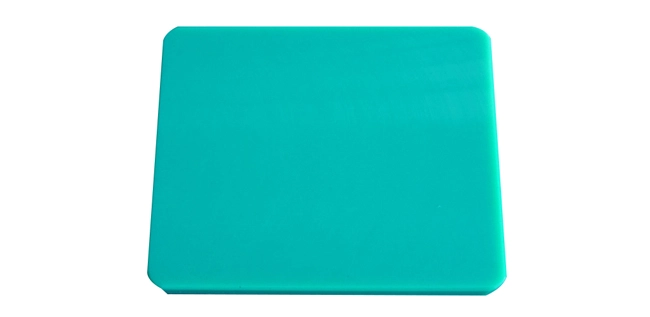
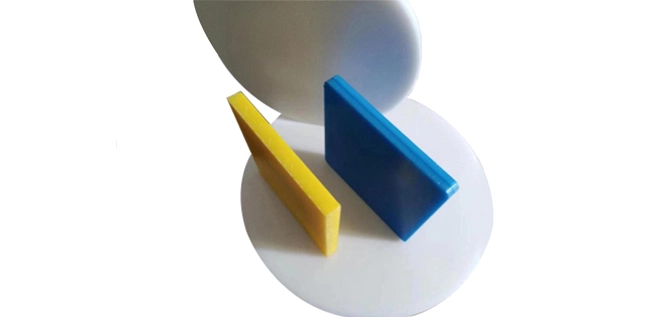
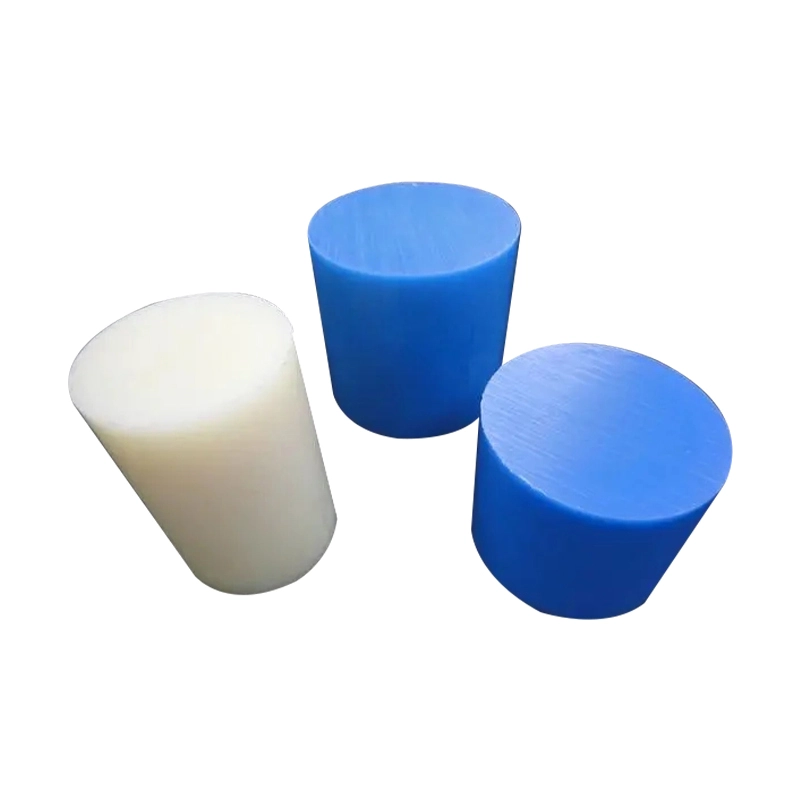
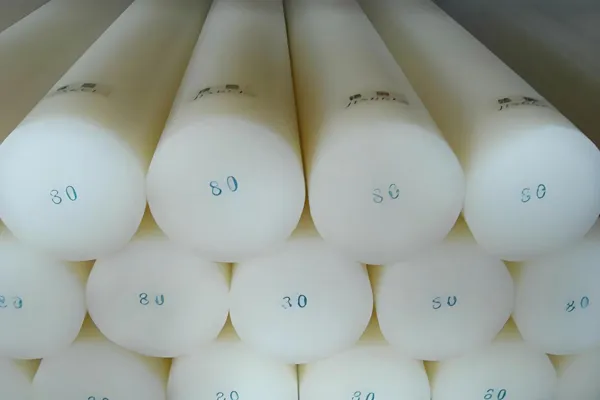
In heavy-duty sliding assemblies, components such as nylon polymer plate solutions are often selected to maintain stable surface contact and improve wear resistance under continuous load.
Lower friction helps:
Improve equipment efficiency
Reduce energy consumption
Minimize heat generation
Enhance operational smoothness
By continuously reducing friction at the contact surface, self-lubricating nylon plates experience less wear during operation.
This can result in:
Longer component lifespan
Lower replacement frequency
Reduced maintenance costs
Improved equipment reliability
One of the most significant benefits is the ability to operate without grease or oil in many applications.
This is especially valuable where contamination must be avoided, such as:
Food processing equipment
Packaging machinery
Textile manufacturing
Cleanroom environments
Removing lubrication systems can also simplify equipment design and reduce maintenance requirements.
Compared with many metal-to-metal contact surfaces, nylon provides quieter operation.
This makes self-lubricating nylon suitable for:
Automated production lines
Conveyor systems
Mechanical transmission components
Industrial sliding mechanisms
Unlike metal wear components, nylon is naturally resistant to corrosion and is unaffected by many oils, chemicals, and moisture conditions.
This characteristic makes it suitable for:
Marine applications
Agricultural machinery
Outdoor equipment
Chemical processing environments
Self-lubricating nylon is significantly lighter than steel or bronze, helping manufacturers reduce the overall weight of machinery and moving assemblies.
Conveyor manufacturers frequently use self-lubricating nylon wear strips and guide rails to reduce friction between moving parts while minimizing maintenance requirements.
The material performs well in environments where dust and debris could compromise traditional lubricants.
Self-lubricating nylon bushings are widely used in rotating and oscillating applications.
Typical examples include:
Agricultural machinery
Packaging equipment
Automotive mechanisms
Industrial automation systems
Heavy-duty equipment often relies on nylon wear pads to support loads while maintaining smooth movement.
Common applications include:
Forklift mast wear pads
Hydraulic cylinder wear bands
Industrial door systems
Construction machinery
In low- to medium-load applications, nylon gears offer several advantages over metal alternatives, including:
Reduced noise
Lower weight
Improved wear resistance
Minimal lubrication requirements
Because nylon resists saltwater corrosion, it is commonly used in marine environments where metal components may require additional protection.



 English
  日本語
日本語  한국어
한국어  français
  Español
  русский
  português
  العربية
  Polska
  Svenska