Jun 16 , 2026
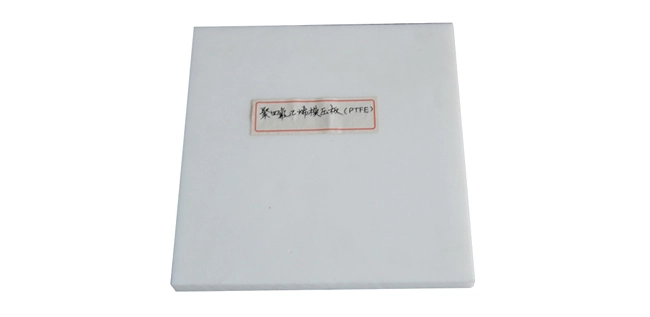
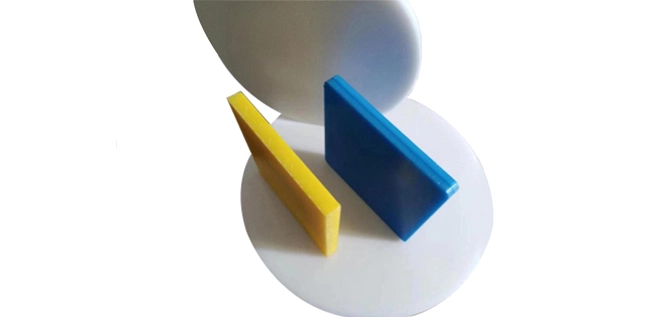
Polytetrafluoroethylene, universally known as PTFE, stands as a pinnacle of high-performance plastics. Available primarily in granular and suspension forms, PTFE is transformed into versatile sheets through processes like paste extrusion or skiving.
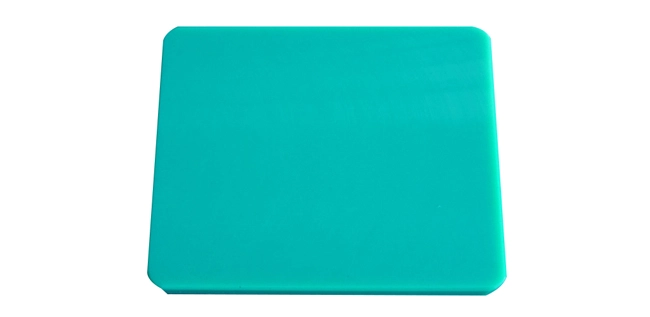
This material is widely recognized in industrial engineering as ptfe plastic sheet, especially in applications requiring extreme chemical resistance and low friction performance.
PTFE’s reputation stems from a unique combination of inherent characteristics:
Unmatched Chemical Resistance: PTFE exhibits outstanding resistance to virtually all chemicals, including potent acids, aggressive alkalis, strong oxidizing agents, and organic solvents. This makes it a prime material for chemical processing and laboratory equipment where corrosion is a major concern.
Broad Operating Temperature Range: PTFE retains its structural integrity within an impressive temperature range, typically from cryogenic temperatures as low as -200°C (-328°F) up to continuous service at +260°C (+500°F). This thermal resilience is crucial in applications involving extreme heat or cold.
Lowest Coefficient of Friction: PTFE boasts the lowest coefficient of friction among conventional solid plastics. This intrinsic "slipperiness" affords superb non-stick properties, making it invaluable for applications requiring minimal adhesion, such as bearing pads or release surfaces.
Excellent Non-Stick Performance: Closely related to its low friction, PTFE’s inert surface presents exceptional non-stick characteristics. This is fundamental to its widespread adoption in industries ranging from food processing to chemical manufacturing.
Remarkable Electrical Insulation: PTFE is an outstanding electrical insulator with a high dielectric strength and low dissipation factor. Its electrical properties remain remarkably consistent across a wide frequency spectrum and temperature range, suitable for demanding electrical and electronic insulation.
Weathering Resistance: Highly resistant to UV radiation and weathering elements, PTFE maintains its properties and appearance when exposed outdoors, serving effectively in architectural and environmental applications.
Biocompatibility: Many grades of virgin PTFE meet FDA and USP requirements, enabling its safe use in food contact surfaces and pharmaceutical processing equipment when appropriate grades are selected and handled correctly.
The distinctive properties of PTFE sheet translate into indispensable solutions across diverse industries:
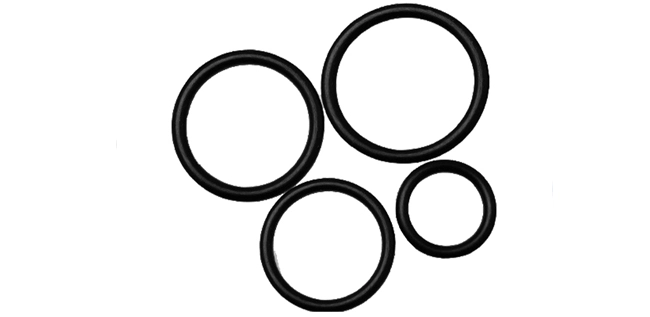
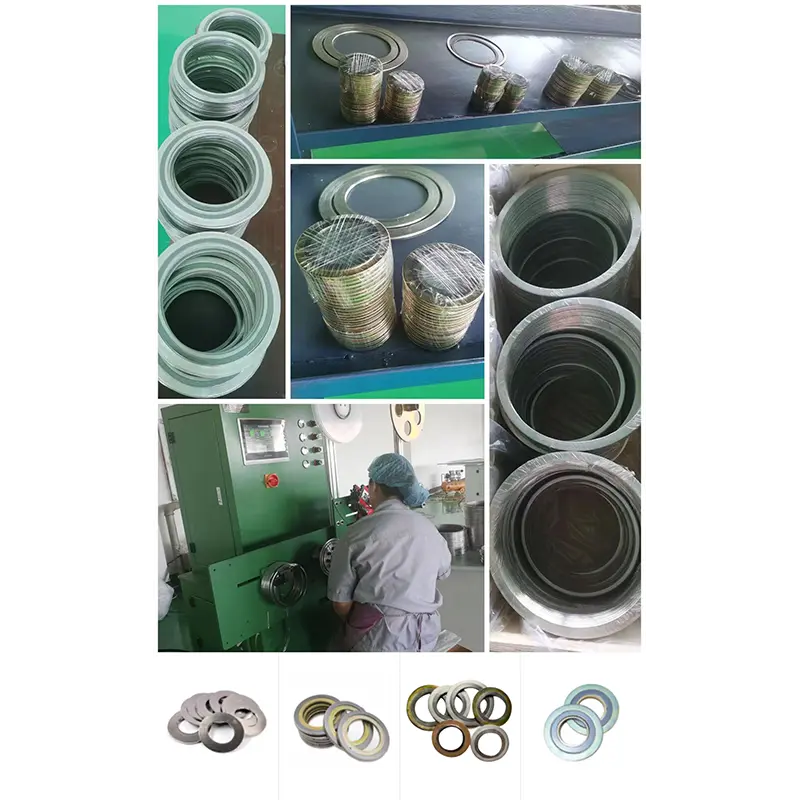
High-Temperature & Non-Stick Gaskets: Used as economical gasketing material in moderately severe chemical services where fluid pressures and temperatures are within material limits, leveraging its inherent chemical resilience and heat resistance. Its non-stick nature also reduces adhesion issues during sealing.
Wear Pads & Slide Bearings: The incredibly low friction coefficient makes PTFE sheet ideal for applications requiring parts to slide smoothly against each other without lubrication, such as bridge bearings, machinery slides, and conveyor components.
Backing Sheets for Heat Sealing: Placed behind heat-seal applications, PTFE withstands the sealing temperatures without adhering to the sealing element, facilitating the process.
Checks Replacements: Small disks of PTFE sheet serve effectively as reusable sealing elements ("cheeks") in certain valve types.
Electrical Insulation: Thicker PTFE plate is machined into high-performance insulating bodies and terminals for critical electrical applications demanding reliability under high voltages or in corrosive environments.
Chemical Lining & Protective Barriers: Sheets are used to shield surfaces from aggressive chemicals or as temporary protective layers during chemical processing or plating operations. Sheets are also integrated into fluidized beds.
Food & Pharma Processing Surfaces: Sanitary cutting boards, slide surfaces within process equipment, and guides rely on virgin PTFE's non-contamination properties and FDA compliance. Skived tape made from sheet material coats wear plates and guides.
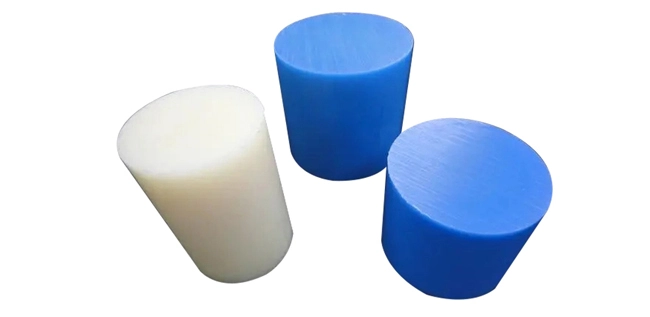
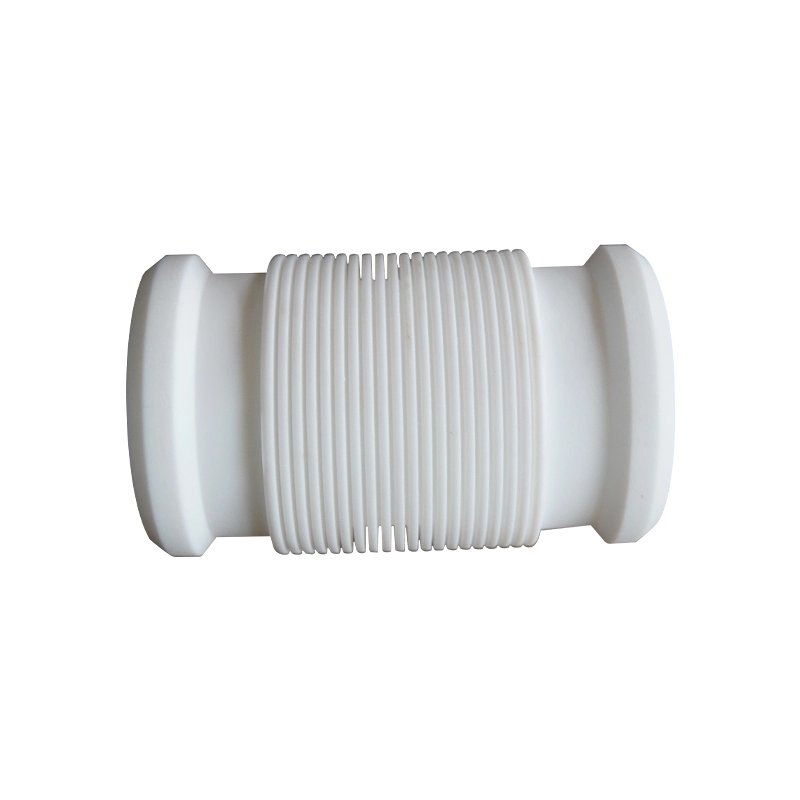
Machined Components: PTFE plate proves easily machinable into custom parts such as washers, spacers, seals, and bushings utilizing its unique material properties.
While exceptionally capable, PTFE has specific mechanical limitations that necessitate mindful application:
Strength and Creep: PTFE is not a structural material. It experiences cold flow (creep) under sustained load. While short-term compressive strength is relatively high, PTFE cannot permanently bear high loads without significant deformation over time. Reinforcement with internal fibers (e.g., glass, bronze) or metals increases load-bearing capacity and reduces creep susceptibility.
Abrasion Resistance: While tough, unfilled PTFE has relatively low abrasion resistance and is unsuited for surfaces experiencing significant material flows or high PV (Pressure x Velocity) sliding conditions without reinforcement.
Environmental Concerns: Its extreme chemical inertness means PTFE is non-biodegradable. Appropriate disposal methods should be followed. Processing scrap or worn parts requires responsible handling. Alternative fluoropolymers, like PFA, FEP, or ETFE, offer similar benefits with improved melt processability and potentially reduced environmental persistence in some contexts, though they typically offer diminished continuous service temperatures compared to virgin PTFE.
Xinrui technology, as a professional supplier, provides high-quality PTFE plastic sheet products and advanced material solutions to support demanding industrial applications.



 English
  日本語
日本語  한국어
한국어  français
  Español
  русский
  português
  العربية
  Polska
  Svenska