Mar 19 , 2026
In the demanding world of industrial machinery, safety is paramount. Machine guards serve as the critical barrier between operators and hazardous moving parts, preventing injuries and ensuring compliance with strict safety regulations.
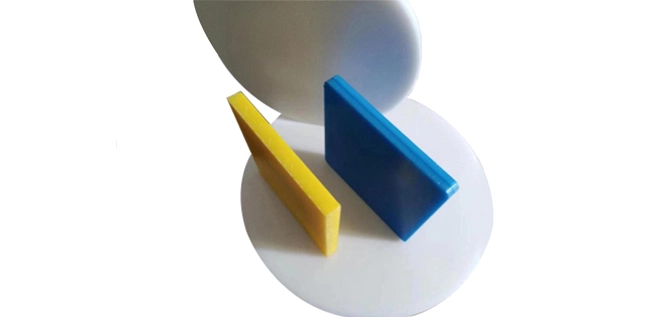
Nylon, particularly grades like Nylon 6 and Nylon 6/6, possesses inherent properties that make it exceptionally well-suited for protective barriers:
1. Outstanding Impact Resistance: This is the defining feature. Nylon sheets absorb and dissipate impact energy far more effectively than metals like steel or aluminum. When struck by a projectile (e.g., a broken tool bit, flying debris) or a moving machine part, nylon deforms rather than shattering or fracturing catastrophically. This significantly reduces the risk of secondary projectile. Its toughness under repeated impacts ensures long-term protection.
2. Lightweight: Compared to metal guards, nylon sheets are significantly lighter. This simplifies installation, reduces strain on hinges and support structures, and makes moving or adjusting guards for maintenance much easier and safer for personnel.
3. Corrosion Resistance: Nylon is inherently resistant to rust and corrosion caused by moisture, oils, coolants, and many chemicals commonly found in industrial environments. This eliminates the need for protective coatings and ensures the guard maintains its integrity and appearance over time.
4. Noise Dampening: Nylon possesses sound-dampening qualities. Guards made from nylon can help reduce the transmission of machine noise, contributing to a quieter and potentially safer working environment.
5. Non-Sparking: Unlike metals, nylon does not generate sparks upon impact. This is a critical safety advantage in environments where flammable gases, dusts, or vapors are present, such as chemical plants or grain handling facilities.
6. Machinability and Formability: Nylon sheets can be easily cut, drilled, routed, and formed using standard woodworking or plastic fabrication tools. This allows for the creation of complex guard shapes, custom windows for visibility, and precise mounting solutions.
7. Electrical Insulation: Nylon provides electrical insulation, offering an additional layer of protection against accidental electrical contact.
Steel/Aluminum: While strong, metals can be heavy, prone to denting or deformation, susceptible to corrosion (requiring maintenance), noisy, and pose a significant sparking hazard. When impacted, they can fracture or create dangerous sharp edges or flying fragments.
Polycarbonate (Lexan): Offers excellent clarity and impact resistance but can be susceptible to scratching, cracking under sustained stress (especially when notched), and degradation from certain chemicals and UV exposure over time. It can also be more expensive than nylon.
Acrylic (Plexiglass): Provides good clarity but is relatively brittle and prone to cracking or shattering upon impact, creating hazardous shards. Its impact resistance is significantly lower than nylon or polycarbonate.
Reduced Maintenance: Corrosion resistance means no painting or rust treatment. Impact resistance means fewer replacements due to damage.
Lower Lifetime Cost: While initial material cost might be comparable or slightly higher than thin metal, the savings in installation labor (due to weight), maintenance, and replacement costs often make nylon guards more economical over time.
Improved Productivity: Easier-to-handle guards facilitate faster maintenance and adjustments.



 English
  日本語
日本語  한국어
한국어  français
  Español
  русский
  português
  العربية
  Polska
  Svenska