Mar 17 , 2026
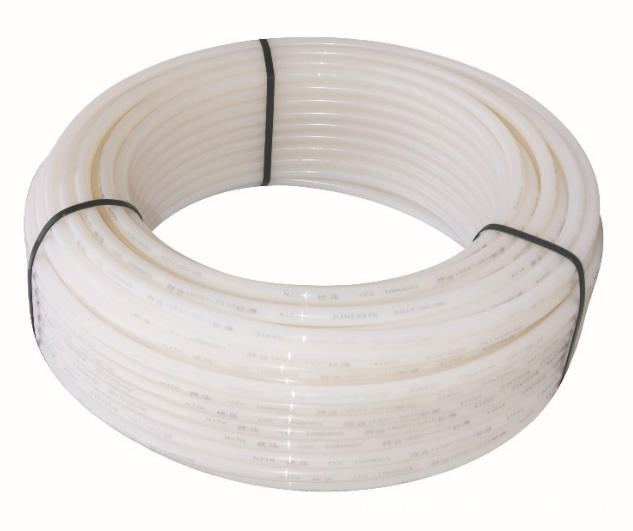
In the food and beverage industry, the materials used in processing equipment are not just about durability and function; they are critical to ensuring product safety and consumer health. This is particularly true for components like tubing, which often come into direct contact with food products, ingredients, or processing environments. When selecting tubing for such applications, nylon tubes compliant with the U.S. Food and Drug Administration (FDA) regulations stand out as a reliable and versatile solution.
The FDA sets stringent standards for materials that contact food. These regulations, primarily outlined in Title 21 of the Code of Federal Regulations (CFR), ensure that substances used in food contact surfaces do not impart harmful chemicals or contaminants into the food, even under conditions like varying temperatures, pressures, or exposure to acids, fats, or alkalis. Non-compliant tubing can leach plasticizers, stabilizers, or other additives into the food stream, potentially causing taint, odor, or health risks. Choosing FDA-compliant materials is not just a best practice; it's often a legal requirement to guarantee food safety.
Nylon (Polyamide) tubing offers several inherent properties that make it well-suited for industrial applications, including many within the food sector:
* Durability and Strength: Nylon tubes are known for their excellent resistance to abrasion, impact, and fatigue. They can handle significant pressure and mechanical stress, making them reliable for conveying fluids.
* Flexibility: While rigid compared to some plastics, nylon tubes offer good flexibility for routing through equipment, especially at smaller diameters.
* Chemical Resistance: They resist many common chemicals, oils, and solvents used in cleaning and processing.
* Temperature Tolerance: FDA-compliant nylon grades typically withstand a wide operating temperature range, often from -40°F (-40°C) to over 250°F (121°C), suitable for various processing stages, including hot water or steam cleaning (within specific limits).
When nylon tubes are designated as FDA-compliant, it signifies that the specific formulation meets the relevant sections of 21 CFR:
* Material Composition: The base polymer and all additives (colorants, stabilizers, etc.) must be on the FDA's positive list of substances permitted for food contact. The tube manufacturer must use only approved ingredients.
* Non-Toxicity: The material must not impart any toxic substances into food under intended use conditions.
* Odor and Taste Neutral: Compliant tubes should not transfer any detectable odor or taste to the food product.
* Cleanability: The smooth internal bore of nylon tubing facilitates easy cleaning and minimizes the risk of bacterial harborage, crucial for hygiene in food processing.
FDA-compliant nylon tubes find diverse uses:
* Fluid Transfer: Conveying water, juices, syrups, edible oils, dairy products (milk, whey), and other liquid ingredients within processing lines.
* Compressed Air Lines: Powering pneumatic actuators and controls on food processing machinery where air lines might encounter food particles or splashes.
* Beverage Dispensing: Used in lines for dispensing drinks, particularly where flexibility and pressure resistance are needed.
* Utility Lines: Transporting cleaning solutions (CIP - Clean-in-Place systems), lubricants (where approved for incidental contact), or coolant fluids in proximity to food zones.
* Instrumentation: Protecting wiring or small sensors in food processing environments.


 English
  日本語
日本語  한국어
한국어  français
  Español
  русский
  português
  العربية
  Polska
  Svenska