Mar 10 , 2026
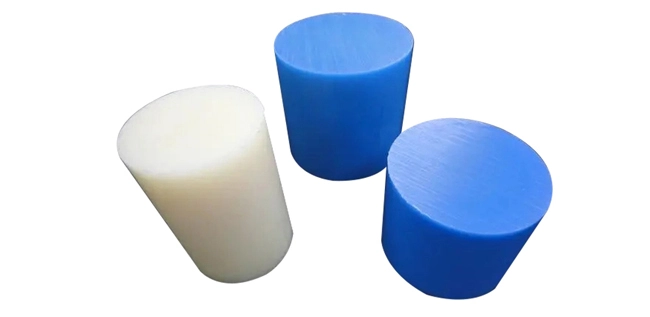
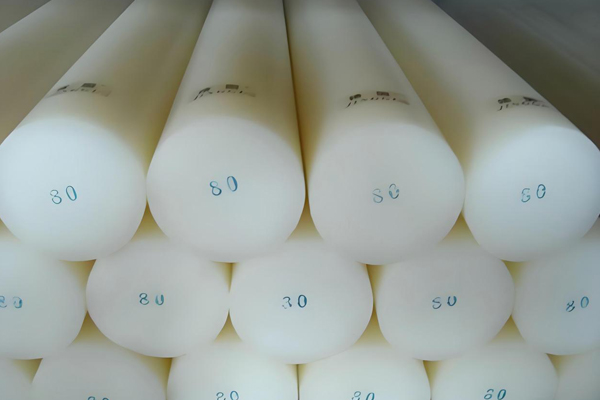
Among the various engineering plastics available, machinable Nylon 6/6 rods have emerged as a highly valuable resource, particularly for manufacturing custom automotive components. Their unique blend of mechanical properties, ease of fabrication, and inherent advantages make them a compelling alternative to traditional materials like metal in numerous applications.
Nylon 6/6, a type of polyamide, is renowned for its exceptional balance of properties:
High Strength & Stiffness: Offers excellent load-bearing capabilities, crucial for structural parts.
Superior Wear & Abrasion Resistance: Ideal for components subject to friction and movement.
Good Fatigue Resistance: Withstands repeated stress cycles without failure.
Chemical Resistance: Tolerates exposure to fuels, oils, coolants, and many automotive fluids.
Impact Resistance: Absorbs shocks and vibrations effectively.
Lightweight: Significantly lighter than equivalent metal parts, contributing to overall vehicle weight reduction and fuel efficiency.
Electrical Insulation: Non-conductive properties are essential for electrical components.
Machinability: Perhaps the most significant advantage for bespoke parts. Nylon 6/6 rods can be easily and precisely machined using standard metalworking equipment (lathes, mills, drills, saws) to create complex geometries, tight tolerances, and prototypes quickly.
The versatility of machinable Nylon 6/6 rods allows them to be used across various automotive systems:
1. Engine Compartment:
Bushings & Bearings: Used in linkages, throttle bodies, and accessory mounts due to their low friction and wear resistance against metal shafts.
Spacers & Washers: Provide precise spacing and insulation between components, resisting heat and chemicals.
Sensor Housings: Protect sensitive electronics while offering electrical insulation and resistance to under-hood fluids.
Guide Components: For cables, hoses, or wiring harnesses.
2. Transmission & Drivetrain:
Thrust Washers & Wear Pads: Withstand the pressures and movements within gearboxes and differentials.
Gear Components (Low-load): Used in certain auxiliary systems or actuators.
Shifter Components: Bushings, guides, and levers benefit from nylon's smooth operation and durability.
3. Chassis & Suspension:
Bushings: Widely used in control arms, sway bar links, and strut mounts to absorb vibrations, reduce noise (NVH), and allow controlled movement. Machined rods allow for custom bushing designs.
Spacers & Shim Stacks: For precise alignment and adjustment.
4. Electrical & Electronic Systems:
Connectors & Insulators: Terminal blocks, fuse holders, and insulating spacers leverage nylon's electrical properties and chemical resistance.
Sensor Mounts & Enclosures.
Wire Management Clips & Conduits.
5. Interior & Trim:
Custom Fasteners & Clips: Machined for specific attachment points.
Lever Handles & Knobs: Gear shift knobs, parking brake handles (often combined with other materials).
Wear Strips & Guides: For windows, sunroofs, or seat mechanisms.
Weight Reduction: Nylon 6/6 is significantly lighter than steel, aluminum, or brass, directly contributing to improved fuel economy and handling.
Corrosion Resistance: Unlike metals, nylon does not rust or corrode when exposed to road salts, moisture, or automotive chemicals, enhancing longevity.
Noise & Vibration Dampening (NVH): Nylon's inherent damping properties help reduce squeaks, rattles, and harshness, improving cabin comfort.
Cost-Effectiveness: While material cost per pound may differ, the *total cost* can be lower due to faster machining speeds, reduced need for secondary finishing (like plating to prevent corrosion), and lighter weight impacting shipping costs.
Design Flexibility: Machining allows for rapid prototyping and the creation of complex, low-volume, or custom parts that might be impractical or too expensive to mold.
While highly machinable, optimal results require attention to:
Tooling: Use sharp, high-speed steel (HSS) or carbide tools. Positive rake angles are generally preferred.
Coolant: Generally not required, but compressed air can help clear chips. If coolant is used, ensure compatibility with nylon (water-based coolants are usually fine).
Speeds & Feeds: High cutting speeds with moderate feed rates work well. Excessive heat generation should be avoided.
Chip Evacuation: Good chip clearance is essential to prevent melting or re-welding.
Workholding: Secure clamping is needed, but avoid excessive pressure that could deform the rod or leave marks. Soft jaws or protective pads are recommended.
Automotive components must meet rigorous safety and quality standards. Nylon 6/6 used in critical applications often complies with specific OEM specifications or industry standards (e.g., relating to flame retardancy, long-term heat aging, or chemical resistance). Reputable suppliers provide material data sheets and certifications (e.g., ISO 9001, IATF 16949) to ensure traceability and quality.



 English
  日本語
日本語  한국어
한국어  français
  Español
  русский
  português
  العربية
  Polska
  Svenska