Sep 01 , 2026
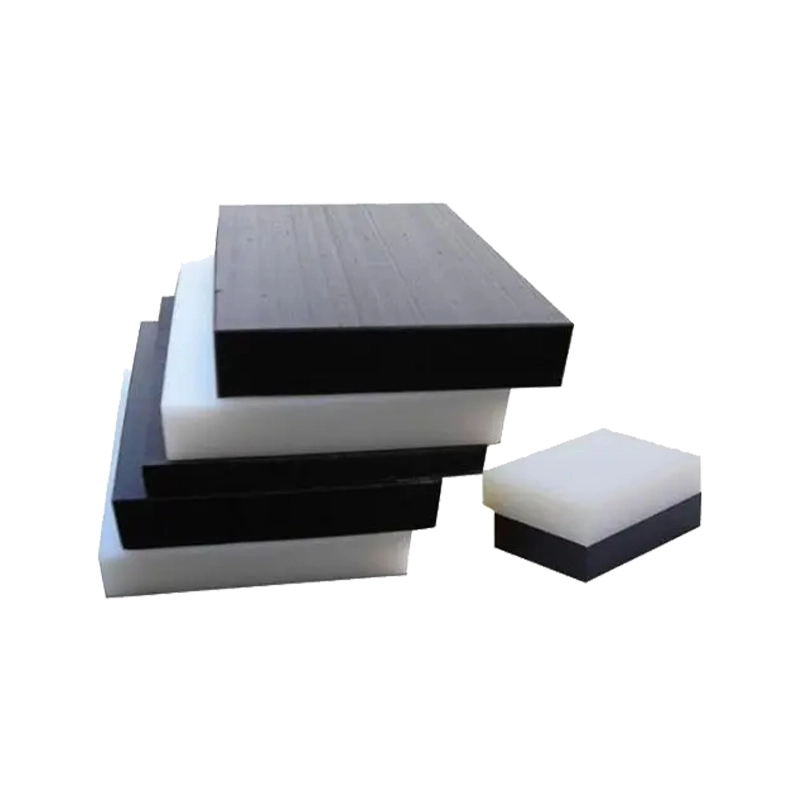
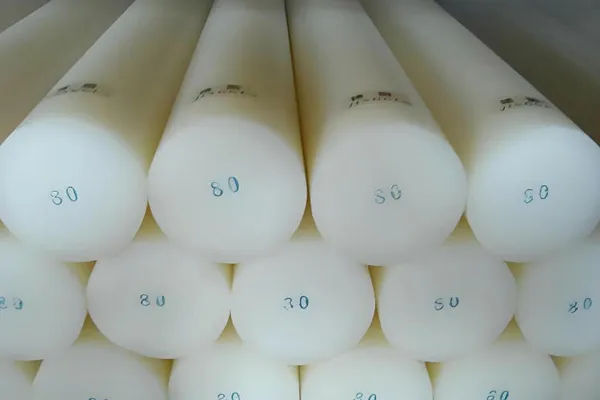
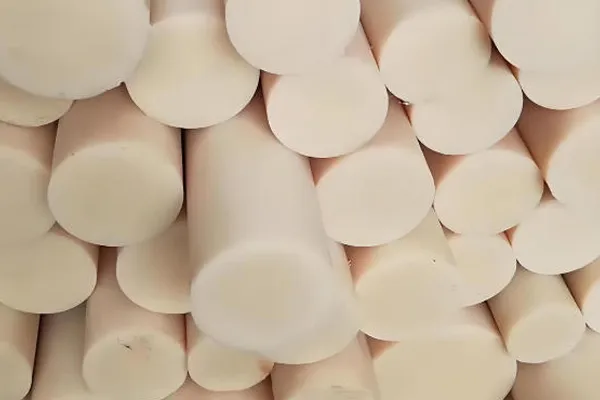
The selection of material for components destined for outdoor environments presents unique challenges. Exposure to ultraviolet (UV) radiation, temperature fluctuations, moisture, and mechanical stress accelerates degradation, compromising performance and longevity. Among engineering plastics, nylon (Polyamide or PA), particularly in plate form, offers an exceptional blend of mechanical strength, impact resistance, and chemical stability. However, standard, non-stabilized nylon grades are inherently susceptible to UV degradation, leading to embrittlement, discoloration, and ultimately, failure. Consequently, UV-stabilized nylon plates have become indispensable for robust and reliable outdoor equipment applications.
Without protection, prolonged exposure to UV radiation initiates a photochemical reaction within the nylon polymer chain. This process typically manifests as:
1. Color Change: Yellowing or fading is often the first visible sign, impacting the aesthetic appeal of the equipment.
2. Surface Embrittlement: Loss of plasticizers and molecular chain scission lead to surface cracking, crazing, and reduced flexibility. Initial cracks can propagate under stress, serving as stress concentrators.
3. Loss of Mechanical Properties: Perhaps most critically, UV degradation fundamentally weakens the material. Key properties such as tensile strength, impact resistance, flexural modulus, and elongation at break deteriorate significantly. The part loses its structural integrity, becoming prone to premature failure under load.
4. Dimensional Instability: Long-term UV exposure can warp or shrink certain nylon grades, affecting fit and function of assembled components.
This degradation is not merely cosmetic; it directly compromises the functionality and safety of outdoor equipment. A structural plate losing load-bearing capacity or an impact protector becoming brittle poses serious operational risks.
UV stabilization for nylon plates incorporates protective additives designed to absorb, dissipate, or reduce the energy of UV radiation before it damages the polymer chains. Two primary mechanisms are employed:
1. Ultraviolet Absorbers (UVAs): These compounds act like a "sunscreen" for the plastic. They absorb harmful UV wavelengths and convert the energy into harmless low-level heat. Common UVA chemistries include benzophenones and benzotriazoles.
2. Hindered Amine Light Stabilizers (HALS): HALS primarily function as long-term radical scavengers. UV radiation generates free radicals in the polymer that initiate chain degradation. HALS continuously trap these free radicals, interrupting the chemical progression of degradation. HALS are particularly effective and provide sustained protection even in thin sections.
3. Pigment-Based Protection: Carbon black is a potent, cost-effective UV absorber widely used, especially in black pigmented nylon grades. However, it limits color options. Mineral fillers like titanium dioxide (TiO2) can also offer some level of protection but require careful selection of the appropriate grade.
UV-stabilized nylon plates are not a monolith. Reputable compounders and plate manufacturers offer formulations tailored for specific service conditions and performance requirements. Factors to consider include:
* Base Nylon Type: Nylon 6 and Nylon 66 are prevalent; hybrid formulations might offer specific benefits. Glass-reinforced nylon 66 provides enhanced stiffness and strength but requires careful stabilization formulation.
* Stabilizer Package: The choice of UVA, HALS, or combinations (often synergistic), along with their concentration and compatibility with the base resin and any fillers.
* Processing Conditions: Stabilizers must withstand the high temperatures and shear involved in plate extrusion and any subsequent machining operations without degrading or blooming (migrating to the surface).
* Fillers and Reinforcements: Glass fiber increases wear resistance and stiffness but requires robust stabilization due to the material pathways created. Mineral fillers like mica can improve dimensional stability and warpage resistance. Bearings-grade formulations often include internal lubricants like PTFE or silicone. Each additive impacts processing and UV protection needs.
* Targeted Environmental Conditions: The severity of UV exposure (geographical location, seasonality, surface reflectivity) dictates the necessary level of stabilization.
Selecting the appropriate grade necessitates collaboration with material suppliers who can provide verified test data relevant to the application environment.
Manufacturers provenience UV-stabilized nylon plates substantiate performance through rigorous testing protocols, adhering to established international standards:
* Accelerated Weathering: Tests like ASTM G155 (Xenon-Arc) or ISO 4892 expose panels to controlled cycles of intense UV light, heat, and moisture. Effectiveness is measured by monitoring property retention (tensile strength, impact resistance, elongation) and color change (ASTM D2244). Real-world correlation requires expert interpretation.
* Outdoor Mounting: Actual field trials of components under specific service conditions provide the ultimate validation, though results take time to accumulate.
* Key Metrics: Manufacturers report comprehensive property data before and after significant exposure periods (e.g., 2000, 4000 hours xenon), including tensile strength retention and color shift (delta E).
UV-stabilized nylon plates find critical roles wherever structural integrity, impact resistance, and dimensional stability are required outdoors:
1. Material Handling & Conveying: Wear strips, gears, sheaves, rollers, and idlers subject to constant sun exposure, friction, and impact.
2. Agriculture Machinery: Guides, slides, harvest components, hydraulic cylinder wear pads, silo equipment – exposed to harsh sun, dust, and chemicals.
3. Sports & Recreation: Protective plates, structural ribs, glides, tensioning components for specialty trailers, boating components, and outdoor leisure structures.
4. Construction Equipment: Bushings, gaskets, covers, liners, and guides on machinery used on job sites.
5. Telecom & Electronics Enclosures: Structural supports, shrouds, and mounts for outdoor cabinets housing sensitive equipment.
6. Renewable Energy: Brackets, bushings, cable support structures, frames, and clamps within photovoltaic solar panel installations.
7. Transportation: Bus and truck components like interior panels near windows, door mechanisms or under-body covers.
* Extended Service Life: The most significant benefit, reducing replacement frequency and associated downtime costs. Properly stabilized plates can last multiples longer than unstabilized equivalents outdoors.
* Retained Mechanical Properties: Critical structural attributes are preserved, ensuring continued functionality and safety of equipment.
* Dimensional Stability: Reduced warpage ensures consistent fit and avoids operational issues like jamming or misalignment.
* Enhanced Appearance: Slower discoloration rate improves the perceived quality and longevity of the equipment.
* Cost Efficiency: While stabilized grades carry a premium, the total cost of ownership is often favorable due to significantly extended part life and reduced maintenance.
* Material Selection: Consultation with materials specialists is crucial. Factors include specific UV load, mechanical demands, chemical exposure, temperature range, color requirements, and fabrication needs (machinability).
* Limitations: UV stabilization improves resistance but does not confer complete immunity indefinitely. Extremely long-term or severe exposure will eventually cause degradation. Sensitivity to high temperature or strong acids must still be considered.
This is the first one.


 English
  日本語
日本語  한국어
한국어  français
  Español
  русский
  português
  العربية
  Polska
  Svenska