Oct 30 , 2025
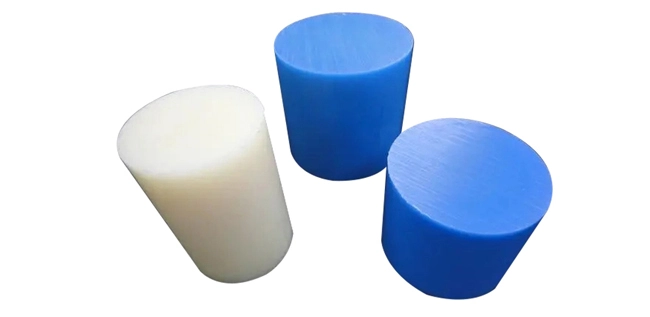
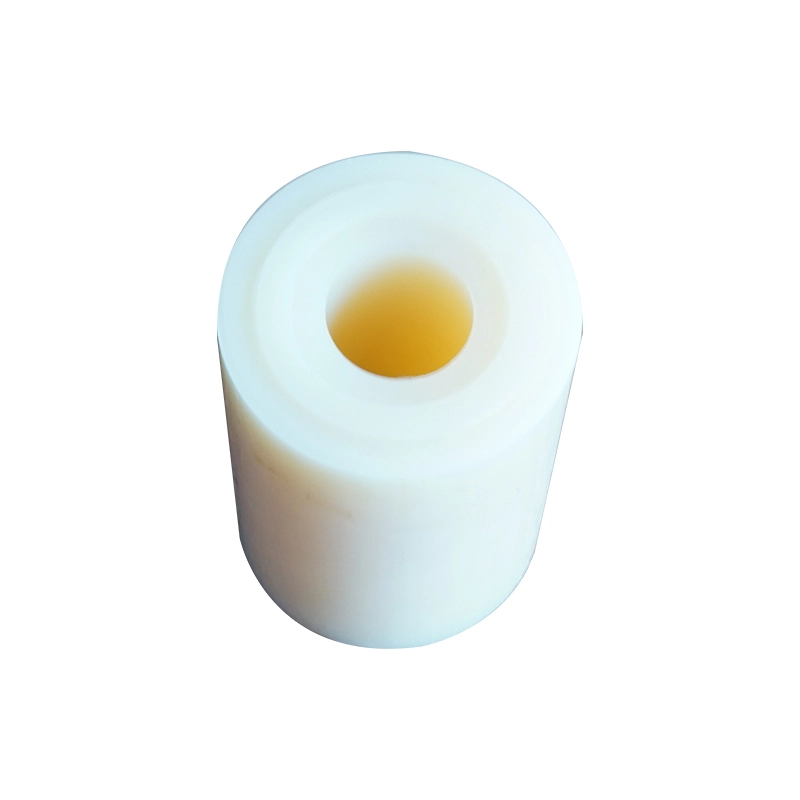
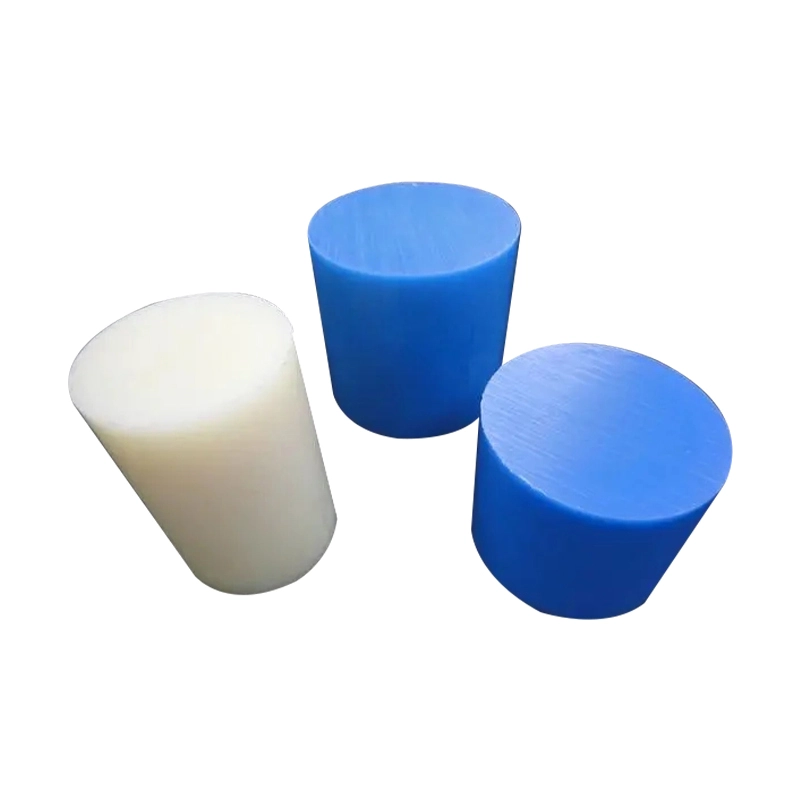
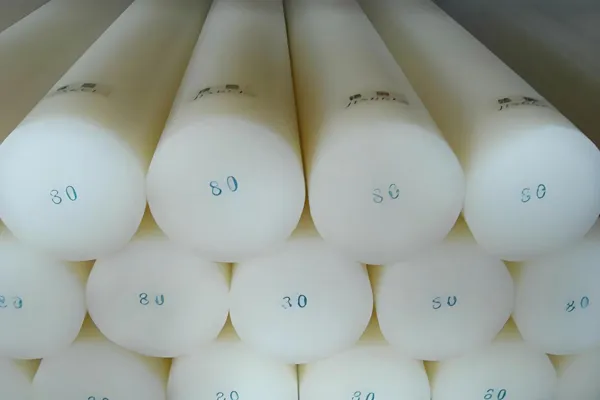
High-strength nylon rods are becoming a top choice for gears and bearings—handling heavy loads, friction, and constant motion better than traditional metals. These polymer rods deliver strength, durability, and smooth performance, making them a smart upgrade for tough mechanical applications.
Engineered formulations of nylon (particularly Nylon 6, Nylon 66, and reinforced grades) deliver exceptional tensile strength and impact resistance. This inherent toughness allows gears machined from these rods to withstand high cyclic loads and shock without catastrophic failure, while bearings maintain their structural integrity under significant pressure. Crucially, nylon possesses excellent fatigue resistance, enabling components to endure millions of operational cycles – a critical factor for long-term reliability.
The Self-Lubricating Advantage:
Perhaps the most transformative benefit is nylon's inherent lubricity and low coefficient of friction. Gears mesh smoothly with reduced noise and heat generation, minimizing energy loss. Bearings operate with dramatically reduced friction, often eliminating or drastically reducing the need for external lubricants. This translates to:
* Lower Maintenance: Reduced downtime for lubrication and associated costs.
* Cleaner Operation: Elimination of oil or grease contamination in sensitive environments (food processing, pharmaceuticals, packaging).
* Enhanced Efficiency: Less energy wasted overcoming friction.
Wear Resistance & Corrosion Immunity:
High-strength nylon rods exhibit outstanding resistance to abrasive wear, ensuring gears maintain precise tooth profiles and bearings retain dimensional stability over extended periods. Unlike metals, nylon is completely immune to rust and corrosion, making it ideal for applications exposed to moisture, chemicals, or washdowns. This longevity directly reduces replacement costs and downtime.
Weight Reduction & Noise Dampening:
Nylon is significantly lighter than metals like steel or bronze. This weight reduction lowers inertial loads in moving systems, improving responsiveness and potentially reducing the power requirements of drive motors. Furthermore, nylon's natural ability to dampen vibrations and absorb sound leads to quieter operation of gearboxes and machinery, contributing to improved workplace environments.
Key Applications of Nylon Rods:
* Gears: Spur gears, helical gears, worm gears, timing pulleys in conveyors, packaging machinery, textile equipment, automotive components, and light-duty power transmission.
* Bearings: Bushings, thrust washers, flanged bearings, slide plates used in agricultural equipment, material handling systems, marine applications, hydraulic cylinders, and food processing lines.
Selecting the Right Nylon Rods:
Performance varies based on nylon type and additives:
* Nylon 6: Good general balance of strength, toughness, and wear; cost-effective.
* Nylon 66: Higher strength, stiffness, and heat resistance than Nylon 6; excellent wear.
* Reinforced Grades (Glass/MoS2/Carbon Fiber): Significantly enhanced strength, stiffness, dimensional stability, and wear resistance; higher PV limits for bearings. MoS2 (Molybdenum Disulfide) further boosts lubricity.
* Oil-Filled Nylons: Offer superior embedded lubricity for extremely demanding or dry running bearing applications.
Performance Summary Table:
Property | Nylon 6 | Nylon 66 | Glass-Reinforced | MoS2 Filled | Oil-Filled |
Tensile Strength | Good | Very Good | Excellent | Good | Good |
Stiffness | Moderate | High | Very High | Moderate | Moderate |
Impact Resistance | Very Good | Good | Moderate | Good | Good |
Wear Resistance | Good | Very Good | Excellent | Excellent | Excellent |
Lubricity | Good | Good | Good | Excellent | Superior |
Max Temp (°C) | 80-100 | 100-120 | 120-150 | 100-120 | 80-100 |
Key Advantage | Cost/Perf | Heat/Wear | Strength/Stability | Dry Running | Extreme Lube |




 English
  日本語
日本語  한국어
한국어  français
  Español
  русский
  português
  العربية
  Polska
  Svenska