Jun 26 , 2026
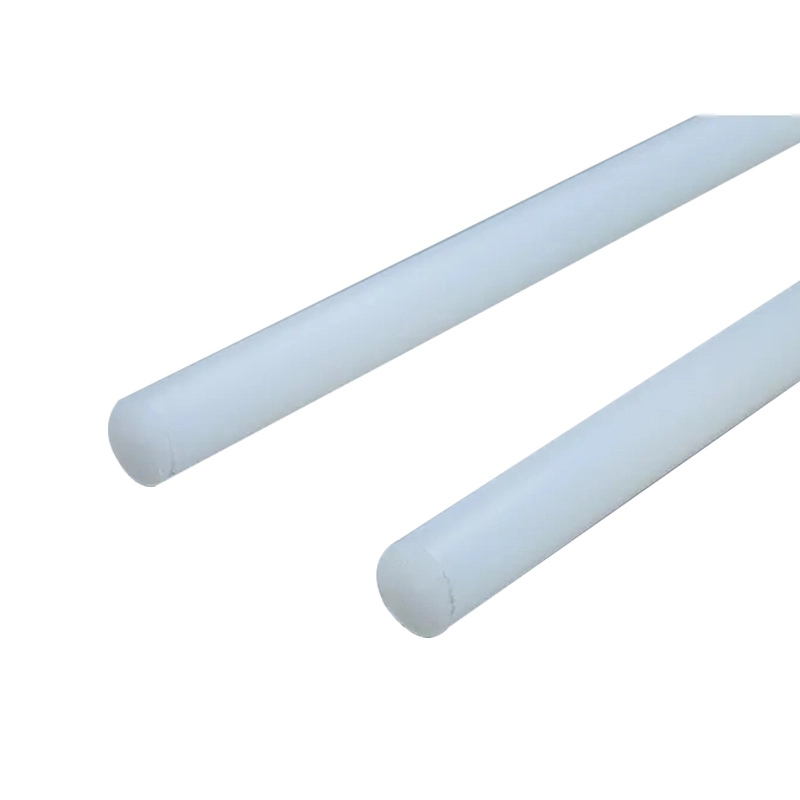
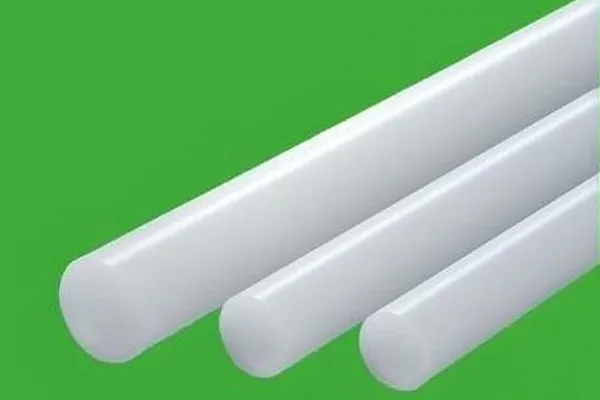
Polypropylene (PP) rods are a versatile and widely used engineering plastic material prized for their excellent chemical resistance, low moisture absorption, good fatigue strength, and relatively low cost. While many standard diameters are readily available, specific applications often demand custom-diameter PP rods to meet unique design requirements. When sourcing custom PP rods, specifying appropriate tolerances is absolutely critical to ensure the finished part functions correctly and fits within the assembly as intended. This guide will walk through the key considerations for defining tolerance specifications for your custom diameter PP rod project, focusing on practical and verifiable information.
In manufacturing, tolerance refers to the permissible variation in a dimension. For a PP rod with a nominal diameter (e.g., 25 mm), the tolerance defines the acceptable upper and lower limits within which the *actual* measured diameter can deviate (+/- 0.1 mm, for example). Failing to specify tolerances, or specifying inappropriate ones, can lead to several problems:
1. Assembly Issues: Rods that are too large may not fit into mating parts (bearings, bushings, mounting holes). Rods that are undersized may cause poor fit, unwanted movement, vibration, or reduced load-bearing capacity.
2. Functional Failure: In precision applications like seals, guides, or rollers, dimensional accuracy is paramount. Tolerances that are too loose can result in leaks, binding, or uneven wear.
3. Machining Waste: If tolerances are tighter than necessary, the supplier may need to reject otherwise functional material or apply additional finishing processes (like grinding), increasing cost and lead time. Conversely, tolerances too loose might lead to functional issues down the line.
4. Cost: Tighter tolerances generally increase production complexity and cost. Balancing *functional tolerance* (what you need) with *manufacturing tolerance* (what's feasible/economic for the process) is crucial.
The achievable diameter tolerance for a PP rod depends significantly on the manufacturing process used. Understanding these processes helps set realistic expectations:
1. Extrusion: This is the most common method for producing continuous lengths of rod stock.
* Standard Extrusion: Typically produces rods with the most economical tolerances but also the largest potential variation. Factors affecting extrusion tolerance include:
* Material: PP melt flow characteristics and cooling shrinkage (PP has a relatively high shrinkage rate compared to some other thermoplastics, typically 1-2%).
* Die Design and Wear: Precision and condition of the die opening significantly impact diameter control.
* Puller Speed: Consistency affects the drawn diameter and potential "draw down."
* Cooling Efficiency: Uneven cooling can lead to ovality or dimensional instability.
* Standard extruded tolerance for diameters above a few millimeters is often around +/- 0.25 mm or higher. Specifying tighter than this may require significant process optimization or post-processing.
* Ovality/Concentricity (Roundness): The extruded rod may not be perfectly round; a tolerance for this (e.g., T.I.R - Total Indicator Reading) is also important for certain applications.
2. Machining (Turning): While less economical for large volumes compared to extrusion, machining allows for significantly tighter tolerances.
* Machined rods are produced by turning (or grinding) extruded stock bars or rods to a specific size on a lathe.
* Tolerances of +/- 0.05 mm or even tighter are achievable through machining, depending on the equipment and operator skill.
* This process significantly increases cost per unit but delivers the highest precision.
* Roundness: Machining typically delivers excellent concentricity/roundness compared to standard extrusion.
When placing an order for custom diameter PP rods, you must clearly communicate the required tolerances to the manufacturer. Here’s what to include:
1. Nominal Diameter: The target or design dimension (e.g., Ø 12.75 mm).
2. Tolerance Value Range:
* Plus/Minus Tolerance (e.g., +/- 0.15 mm): The most common way, defining equally sized bands above and below the nominal diameter. The rod's actual diameter must lie between `Nominal - Tolerance` and `Nominal + Tolerance`.
* Unilateral Tolerance (e.g., -0.05 / +0.00 mm): Useful when deviation in only one direction is critical (e.g., must *never* exceed a certain max size).
* Limit Tolerance (e.g., 10.00 mm MIN / 10.20 mm MAX): Explicitly states the absolute minimum and maximum allowable dimensions.
3. Tolerance Application: Clarify whether the tolerance applies to "as-extruded" rods (the state they come off the production line), or if it applies after any specified stabilization period. PP rods can undergo *slight* post-production dimensional changes (sizing) as they fully cool and crystallize over 24-48 hours.
4. Out-of-Roundness (Ovality/Concentricity): If critical for your application (e.g., sealing surfaces rotating components), specify a maximum T.I.R. (Total Indicator Runout). Values like T.I.R. <= 0.1 mm are common requests for extruded rods where roundness matters. Machined rods inherently offer better roundness.
5. Straightness Tolerance: Specify if the rod must be supplied perfectly straight to a certain tolerance over its length (especially for longer rods), often neglected but crucial for assemblies.
6. Material Specification: While specific grades within PP are important (homopolymer vs. copolymer, filled additives like glass), selecting the correct grade ensures consistent shrinkage behavior and mechanical properties, indirectly supporting dimensional stability.
7. Documentation: Request certification that the supplied rod conforms to the specified diameter and tolerance, including measurement reports if necessary.
Simply listing a tolerance is not enough; provide context to help the manufacturer understand the best way to meet your needs:
* Intended Application: Briefly describe what the rod will be used for (e.g., "bushing in pump housing," "actuator shaft," "laboratory stirrer"). This helps the supplier understand performance expectations.
* Critical Fit Components: If the rod interacts with specific diameters (holes, housings, bearings), mention the tolerance of those parts if known.
* Budget Constraints: Be clear about cost sensitivity. The supplier may offer different tolerance options at different price points. A nominal extrusion tolerance might be acceptable and significantly cheaper if rigorous precision isn't required.
* Quantity: High volumes favor optimized extrusion processes; low volumes might make machining feasible.
For broader procurement planning, these considerations are also relevant when evaluating different pp products for industrial use.
1. Not Too Tight, Not Too Loose: Strive for the *widest acceptable tolerance* that still ensures functionality and interchangeability. This optimizes manufacturability and cost. Consult with the manufacturer on realistic capabilities for your application.
2. Avoid Over-Specifying Roundness Straightness Unless Critical: Adding unnecessary tight tolerances for ovality or straightness significantly increases cost or risk of rejection. Only specify what is essential.
3. Consider Measurement Method: Agree upon how the diameter will be measured (micrometer, caliper, optical comparator) and at what points along the length and circumference. Consistency is key. Measurement should typically occur in a controlled environment after the rod has stabilized (24-48 hrs post-prod).
4. Be Mindful of Moisture: While PP has low absorption, it can absorb *some* moisture (~< 0.01%) which has a negligible dimensional impact compared to the tolerance ranges discussed here. However, standard drying practices for extrusion ensure negligible moisture influence on dimensions directly after production.
5. Writing a Clear Specification: When placing orders, state tolerance requirements explicitly and unambiguously, ideally referencing recognized standards or formats (e.g., "Diameter: Ø 15.0 mm ± 0.10 mm," "T.I.R. < 0.15 mm").
* General Purpose Application (Low Cost): Ø 20.0 mm ± 0.30 mm (Standard Extrusion Tolerance)
* Components Requiring Moderate Precision (e.g., guides): Ø 8.5 mm ± 0.15 mm (Requires controlled extrusion/machined ends)
* Precision Ground Rod (High Precision): Ø 25.4 mm +0.00 / -0.05 mm (Machined/Ground Finish, Tight Fit)



 English
  日本語
日本語  한국어
한국어  français
  Español
  русский
  português
  العربية
  Polska
  Svenska