Sep 20 , 2026
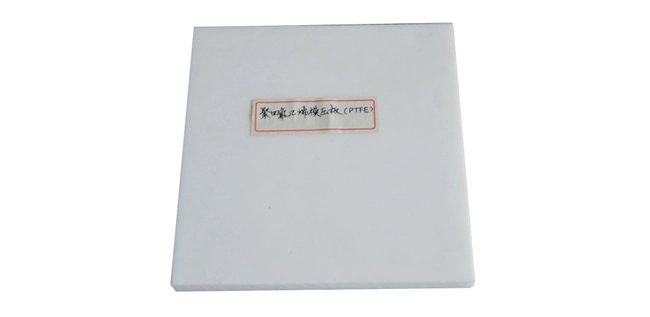
Conveyor belts are the backbone of efficient production lines. However, when handling materials that are sticky, heat-sensitive, corrosive, or require exceptionally low levels of friction and contamination, traditional belting materials often fall short. This is where PTFE sheet (Polytetrafluoroethylene) emerges as a critical solution component for constructing high-performance conveyor belts.
PTFE is renowned for its unmatched combination of properties:
1. Superior Non-Stick Characteristics: PTFE possesses one of the lowest coefficients of friction known for any solid material. This inherent non-stick quality makes it exceptionally effective in applications where materials tend to adhere to conveyor surfaces, such as food doughs, uncured rubber, adhesives, tacky polymers, and powders.
2. Broad Temperature Resistance: PTFE maintains excellent physical properties across a wide temperature range, typically from approximately -200°F (-130°C) up to +500°F (+260°C) for continuous exposure (higher extremes for short periods in inert atmospheres). Check the full teflon sheet temperature range before specifying a belt. This allows it to withstand demanding processes involving heat sealing, drying ovens, or freeze tunnels.
3. Excellent Chemical Inertness: Highly resistant to almost all industrial chemicals and solvents, PTFE belts are ideal for harsh environments involving acids, alkalis, and aggressive cleaning protocols, common in chemical processing, pharmaceutical manufacturing, and electrolytic plating or anodizing.
4. Low Surface Energy: This property minimizes wetting by liquids and facilitates cleaning, ensuring material purity, especially crucial in food, pharmaceutical, and electronic component manufacturing to prevent cross-contamination.
5. Good Wear Resistance: While not as abrasion-resistant as some engineering plastics, PTFE offers substantial durability against sliding wear, essential for prolonged belt life.
PTFE sheets provide the critical functional surface in specialized conveyor belts. These belts are not monolithic slabs of PTFE but often sophisticated composite structures:
* PTFE-Coated Fabrics: Layers of woven fiberglass mesh (scrim) or other high-temperature resistant fabrics are impregnated and top-coated with PTFE dispersions. This creates a flexible, strong belt substrate with the non-stick PTFE properties on the surface exposed to the product. Multiple layers and coating weights achieve different balances of strength, stiffness (tracking), and surface properties.
* Pure PTFE Belts: Used for specific ultra-high purity applications like semiconductor wafer baking, these are made from dense, unsupported PTFE films or sheets. While offering the highest chemical purity and non-stick surface, they are less dimensionally stable and have lower tensile strength compared to reinforced constructions.
* Treatment Options: Surface treatments can be applied to enhance adhesion of subsequent coatings if the primary function is purely non-stick material handling, or to improve compatibility with bonding to underlying structures.
PTFE-coated or PTFE-based conveyor belts are invaluable in numerous demanding sectors:
* Food Processing: Baking (cookies, crackers, bread chunks), dough conveying, confectionery cooling, freeze tunnels. Preventing sticking ensures product integrity, reduces waste, and improves hygiene.
* Textile & Converting: Heat setting fabrics, curing coated fabrics or films (adhesives, lacquers), laminating.
* Packaging: Operates effectively through heat sealers without sticking or melting. Used for shrink tunnels and conveying shrink-wrap film.
* Plastics Manufacturing: Handling pre-forms, PET bottles during post-molding processes (cooling), conveying hot plastic sheets, pellets. Prevents staining/scuffing.
* Pharmaceutical & Chemical: Tablet coating, transporting blister packs, handling powders and granules, conveying items through aggressive cleaning and sterilization cycles. Maintains product purity and process hygiene.
* Printing Industry: Moving substrates through drying or curing ovens after printing or coating.
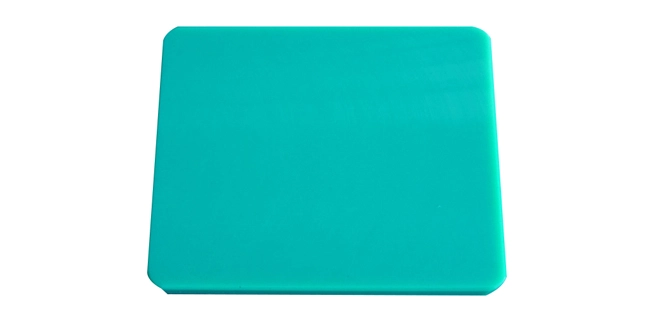
* Industrial Equipment: Conveying via heat sealers, forming machines, and around heated metal tracks/guides where low friction and thermal stability are essential. A low friction plate under the belt can also support it and reduce drag.
Leveraging PTFE belts effectively requires careful consideration:
* Defining the Application: Material properties (stickiness, temperature sensitivity, abrasiveness), process conditions (temperature range, belt speed, belt tension), and environmental factors (cleaning chemicals, humidity) must be thoroughly analyzed.
* Choosing the Belt Type: Selecting the appropriate substrate material, PTFE coating formulation/weight, and construction (open mesh, solid weave) based on strength requirements, flexibility needed, and food/pharmaceutical compliance needs is crucial. Reputable manufacturers offer range based on application pressure.
* Surface Finish: While naturally low-friction, specific finish levels can be engineered for different material release needs.
* Safety & Compliance: When used in food or pharmaceutical applications, belts must meet regulatory requirements (e.g., FDA 21 CFR, EU 10/2011) for food contact materials. Certifications should be provided by the manufacturer.


 English
 日本語
 한국어
 français
 Español
 русский
 português
 العربية
 Polska
 Svenska