Sep 24 , 2026
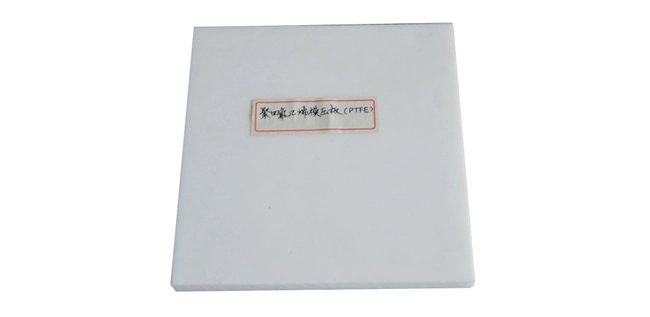
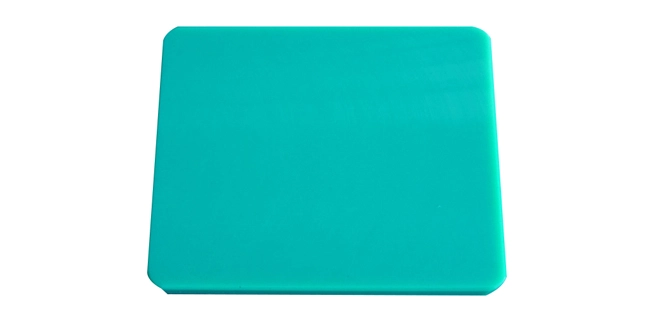
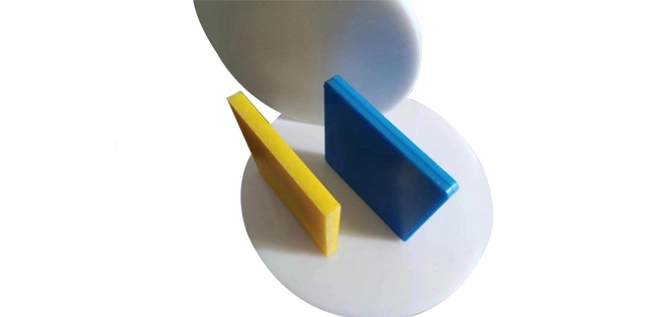
PTFE (Polytetrafluoroethylene) sliding plates are vital components used in applications requiring controlled movement, low friction, and load transfer across interfaces, such as in bridge bearings, structural expansions, machinery bases, and vessel supports. Selecting the appropriate PTFE slide plate is critical to ensure long-term performance, safety, and project cost-effectiveness. Here are the key professional factors to consider:
Begin by accurately defining the applied loads. Calculate both the maximum vertical service load (dead, live, impact) and potential wind or seismic loads. Crucially, determine the average nominal pressure (load divided by contact area) the plate will experience under normal operating conditions. PTFE plates function optimally and maintain low friction coefficients under specific pressure ranges; excessive pressure can lead to excessive creep or deformation, while insufficient pressure might cause increased friction or sticking. Material thickness and the potential need for backing plates are directly influenced by these load calculations.
Understand the nature and scale of relative movement:
* Translation vs. Rotation: Will the plate accommodate linear sliding or rotational movement?
* Movement Magnitude: What are the expected ranges of displacement? Smaller plates suffice for minor movements, whereas large displacements necessitate correspondingly larger sliding surfaces.
* Movement Speed: While typically slow for structural applications, occasional rapid movements (e.g., during seismic events) must be considered, influencing friction behavior.
PTFE for sliding plates isn't monolithic; the base resin and its reinforcement significantly impact performance:
* Solid Sintered PTFE: Offers superior chemical resistance and purity but possesses relatively lower compressive strength and creep resistance. Best suited for less-demanding, lower-pressure applications or corrosive environments.
* Glass Fiber Filled PTFE: Incorporates glass fibers to enhance compressive strength, stiffness, and creep resistance markedly, allowing the plates to handle significantly higher pressures. A widely used grade for demanding structural applications.
* Carbon or Bronze Filled PTFE: Offer high strength and stiffness; bronze can provide lower friction at higher velocities but may be less suitable in corrosive environments. A bronze filled PTFE sheet is a common choice where sliding speeds are higher.
The performance of the PTFE slide plate is intrinsically linked to the mating surface (stainless steel is standard). Ensure this counterface has:
* Proper Finish: A consistent, smooth, directionally polished finish to ensure low friction and avoid premature wear of the PTFE.
* Flatness: Maintaining parallelism minimizes localized high-stress points on the PTFE.
* Material Integrity: High-quality stainless steel (e.g., 316L SS) that is free from surface defects and possesses consistent hardness is essential.
Assess the operating environment:
* Temperature: PTFE retains properties up to high temperatures but has relatively poor creep resistance; low temperatures minimally affect performance but can impact sealing compounds.
* Chemical Exposure: While highly chemically resistant, PTFE sliding plate filled with materials like glass or carbon must be assessed for compatibility with specific aggressive chemicals. Ensure the counterface steel is also suitably corrosion-resistant.
* Moisture/Dirt: Potential contamination must be considered. Dust or grit ingress can rapidly abrade both PTFE and the metal counterface. Protective measures like edge seals or covers might be necessary for harsh conditions.
PTFE plates require a bonded lubricant layer (commonly silicone grease) applied to the installed plate surface prior to final assembly to achieve the specified initial low friction coefficient. The recommended thickness of this layer is provided by the manufacturer and is critical during installation.
Ensure the selected PTFE material grade, plate dimensions, machining tolerances, and quality control procedures align with relevant project specifications and accepted national or international standards (e.g., EN 1337, AASHTO, ASTM).



 English
 日本語
 한국어
 français
 Español
 русский
 português
 العربية
 Polska
 Svenska